
Healthy Weight Management



Overview
Dog Weight Management: What It Is and Why It Matters
Dog weight management refers to the ongoing process of maintaining a body condition that supports healthy movement, metabolic balance, and long-term well-being. A healthy weight for dogs is not defined by a single number on a scale, but by an appropriate balance between lean muscle mass and body fat that allows the body to function efficiently.
Both excess weight and insufficient weight can place stress on the body. Dogs that are overweight or obese face increased mechanical strain, metabolic disruption, and chronic inflammation. Dogs that are underweight may lack adequate energy reserves, muscle mass, or nutritional support to maintain normal immune function, tissue repair, and resilience. Healthy dog weight management exists between these two extremes.
Ideal Weight for Dogs
A healthy weight for dogs varies widely depending on breed, size, age, skeletal structure, and activity level. For this reason, dog body condition is a more meaningful measure than body weight alone.
Veterinary professionals commonly use Body Condition Scoring (BCS) to evaluate whether a dog is too thin, too heavy, or within a healthy range. Body condition scoring assesses fat coverage, muscle mass, and body shape rather than focusing solely on pounds or kilograms.
Key features of a healthy dog body condition typically include:
- Ribs that are sometimes seen and easily felt with light pressure, without excessive fat covering
- A visible waist when viewed from above
- An abdominal tuck when viewed from the side
- Muscle tone appropriate for the dog’s breed, age, and life stage
A species-appropriate diet is an important aspect of healthy weight management. Diet quality and composition influence how easily a dog maintains muscle mass, how the body stores energy, and how consistently appetite and energy needs align. When nutrition supports normal physiology, body condition tends to remain more stable and predictable over time.
Assessing Dog Body Condition Across Breeds and Coat Types
Visual assessment alone can be misleading, particularly in dogs with thick coats, long hair, or heavy feathering. In these dogs, hands-on evaluation is essential. Feeling for rib coverage, waist definition, and muscle tone provides more reliable information than appearance alone.
Dogs with loose skin or wrinkles also require careful palpation to distinguish skin folds from underlying fat. Breed-specific structure matters as well—some dogs naturally appear broader or narrower without being over- or underweight.
Working With Your Veterinarian on Dog Weight Management
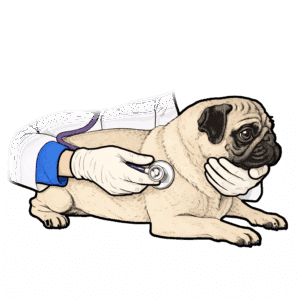
Veterinary collaboration is a critical component of healthy weight management for dogs. Veterinarians can assess body condition accurately, monitor changes over time, and help determine whether weight trends are appropriate or warrant further investigation.
Regular check-ins allow adjustments to be made proactively and help distinguish healthy leanness from concerning weight loss, or normal seasonal variation from early obesity. Weight management is most effective when it is individualized, monitored, and integrated into a broader understanding of the dog’s overall health.
Veterinarians often recommend keeping large and giant breeds slightly leaner because even small amounts of excess weight place disproportionately high stress on their joints. These dogs generate greater mechanical load with every step due to their size, so extra body fat can accelerate joint wear and shorten mobility over time. As a result, a body condition that looks “thin” to some people often reflects a healthier and more protective target for long-term orthopedic health.
Puppies require special care, and owners should not restrict calories in growing dogs without professional guidance. Large-breed puppies need adequate energy, protein, and micronutrients to support normal skeletal development, and aggressive weight loss can interfere with healthy growth. Veterinarians and veterinary nutrition professionals can help owners manage growth rate and body condition safely so puppies stay appropriately lean while still meeting developmental needs.
Healthy dog weight management is about supporting structural integrity, metabolic health, and comfort so dogs can move well, adapt to change, and maintain quality of life throughout every stage of life.
Dog Obesity
Dog obesity occurs when excess body fat accumulates to the point that it negatively impacts health. Extra weight increases the load placed on joints, tendons, and ligaments with every movement, accelerating wear and contributing to mobility problems over time. Obesity is also associated with systemic inflammation, altered hormone signaling, reduced insulin sensitivity, and impaired heat regulation.
Beyond orthopedic strain, overweight dogs are at increased risk for:
- Metabolic and endocrine disorders
- Reduced cardiovascular efficiency
- Digestive disturbances
- Decreased stamina and exercise tolerance
In many dogs, weight gain happens gradually, making changes easy to overlook. Regular assessment of dog body condition helps identify early trends before excess weight progresses into obesity.
When Dogs Carry Excess Weight
When a dog carries excess body fat, the impact goes beyond appearance. Extra weight increases the physical load placed on joints with every step, which can accelerate wear and reduce mobility over time. Fat tissue also acts as an active endocrine organ, influencing inflammation and hormone signaling throughout the body.
Excess weight may contribute to or interact with:
- Diabetes, through reduced insulin sensitivity
- Hypothyroidism, which can slow metabolism and promote weight gain
- Cushing’s disease, which alters fat distribution and muscle mass
- Chronic low-grade inflammation that affects multiple organ systems
Because weight gain often occurs gradually, dogs may transition from healthy weight to overweight without obvious visual cues. Regular body condition assessment helps identify early changes before obesity develops.
When Dogs Are Too Thin
Low body weight can also signal underlying health issues. Dogs that remain underweight may lack sufficient fat reserves, muscle mass, or both, which reduces their ability to maintain energy, recover from illness, and support normal immune function. Thinness is not always normal or breed-related, especially when weight loss occurs unintentionally.
Low body condition may relate to:
- Poor nutrient digestion or absorption, including EPI (exocrine pancreatic insufficiency)
- Chronic gastrointestinal disease
- Parasites, which divert nutrients and impair weight maintenance
- Dental pain, stress, or systemic illness that reduces intake
- Age-related muscle loss in senior dogs
In puppies, inadequate body condition can interfere with healthy growth. In adult and senior dogs, unexplained weight loss or muscle wasting warrants veterinary evaluation rather than assumption.
Understanding Weight Changes Over Time
A dog’s body weight reflects how well intake, digestion, metabolism, activity, and health demands stay in balance. When that balance shifts, weight often changes as a secondary effect rather than a primary problem. For this reason, both weight gain and weight loss deserve context, not assumptions.
Weight gain commonly follows reduced movement from pain or stiffness, metabolic slowdowns, or hormonal changes that alter how the body stores fat. Weight loss more often signals inadequate digestion, poor nutrient absorption, increased metabolic demand, or loss of lean muscle mass. In both cases, the direction of change matters less than why the change is happening.
Evaluating body condition alongside energy level, muscle tone, appetite, and life stage provides a clearer picture than weight alone. When interpreted this way, changes in body condition serve as an early indicator of shifting health—prompting investigation and adjustment before more serious problems develop.
Bringing It All Together
Healthy dog weight management is best understood as an ongoing dialogue between a dog’s body, lifestyle, and underlying health—not a fixed goal to reach and forget.
Body condition reflects how well the dog’s systems are working together: movement, metabolism, digestion, hormones, and immune function. When weight shifts in either direction, it often signals that something within that system has changed.
Rather than viewing weight as a mere cosmetic concern or a simple feeding issue, weight management works best when it is treated as a functional health indicator. Regular hands-on assessment, awareness of breed and life-stage needs, and collaboration with a veterinarian allow owners to interpret body condition changes in context. By focusing on trends instead of extremes, and function instead of appearance, weight management becomes a proactive tool—one that supports mobility, resilience, and quality of life across every stage of a dog’s life.

General Health Topics
 Health Topics related to Healthy Weight Management




Health Conditions
Health conditions related to Healthy Weight Management


Follow the Research
Studies providing deeper insight into Healthy Weight Management
| Title | Information |
|---|

Dig Deeper
Q/A's related to Healthy Weight Management

Blog Articles
Articles related to Healthy Weight Management
| Featured Image Link | Blog Title | Blog_URL_Link |
|---|---|---|
 |
Easy Ways to Help Keep the Weight Off Your Dog | https://www.bernies.com/easy-ways-to-help-keep-the-weight-off-your-dog/ |
 |
How Can I Get My Dog to Lose Weight? | https://www.bernies.com/how-can-i-get-my-dog-to-lose-weight/ |
 |
Pandemic Pounds for Pets: How to Help Dogs Lose Weight | https://www.bernies.com/pandemic-pounds-for-pets-how-to-help-dogs-lose-weight/ |
 |
Signs Of An Overweight Dog And How To Help Obese Dogs With Fiber | https://www.bernies.com/signs-of-overweight-and-obese-dogs-and-how-to-resolve-using-fiber/ |
 |
How to Prevent Arthritis in Dogs | https://www.bernies.com/blogs/bernies-blog/how-to-prevent-arthritis-in-dogs/ |
 |
What Can I Give My Dog for Joint Pain at Home | https://www.bernies.com/blogs/bernies-blog/what-can-i-give-my-dog-for-joint-pain-at-home/ |
 |
More Than Extra Pounds: Understanding Canine Obesity | https://www.bernies.com/blogs/bernies-blog/more-than-extra-pounds-understanding-canine-obesity/ |
 |
Weight Management: Give Your Dog's Joints A Break | https://www.bernies.com/blogs/bernies-blog/weight-management-give-your-dogs-joints-a-break/ |
 |
Understanding Gut Microbiota and Dog Weight Management | https://www.bernies.com/blogs/bernies-blog/understanding-gut-microbiota-and-dog-weight-management/ |