
Animals



Overview
Animal-Based Ingredients for Dogs
Animals occupy a different nutritional role than plants or fungi because of how their tissues are built and stored. Animal tissues contain concentrated proteins, fats, minerals, and fat-soluble nutrients in forms that closely match the biological needs of other animals. For dogs, this matters because their digestive system, metabolism, and nutrient requirements developed around prey-based and scavenging feeding patterns over thousands of years.
Muscle tissue provides amino acids, the building blocks used to repair tissue, create enzymes, produce hormones, and maintain immune function. Animal fats deliver concentrated energy and supply fatty acids that help maintain the skin barrier, nervous system, and cellular membranes. Organs such as liver and heart contribute vitamins, trace minerals, taurine, carnitine, and coenzyme Q10, while connective tissues and cartilage provide collagen-rich structural proteins.
Dogs can digest some plant material and benefit from plant-derived fiber and phytonutrients. Still, certain nutrients are either absent from plants or appear in forms dogs use less efficiently. Long-chain omega-3 fatty acids such as EPA and DHA, heme iron, vitamin B12, taurine-rich tissues, and highly digestible complete proteins are naturally concentrated in animal ingredients.
Modern canine nutrition often works well when these categories complement each other. Animal ingredients provide the biological foundation, while plant and fungal ingredients can contribute fiber, antioxidants, fermentation compounds, and additional metabolic support.
How Animal Ingredients Support Canine Health
- Proteins from animal muscle supply all essential amino acids, supporting growth, repair, and enzyme and hormone function.
- Fats deliver concentrated energy and provide fatty acids for skin, coat, and immune health.
- Organs and connective tissues offer micronutrients, collagen, and specific compounds like taurine, carnitine, and coenzyme Q10.
- Bones and cartilage contribute calcium, phosphorus, and structural minerals.
How Dogs Use Nutrients From Animal Ingredients
Animal-derived ingredients support far more than muscle growth alone. Nearly every major system in the body depends on proteins and fats that often originate in animal tissues.
Proteins are broken down into amino acids during digestion. These amino acids are then reassembled into new tissues, enzymes, transport proteins, antibodies, neurotransmitters, and hormones. Dogs require dietary sources of essential amino acids because their bodies cannot manufacture them in sufficient amounts.
Animal fats also play multiple roles beyond calorie delivery. Fatty acids become part of cellular membranes, influence inflammatory signaling, support hormone production, and help absorb fat-soluble vitamins such as vitamins A, D, E, and K.
Certain tissues contain more specialized compounds. Heart tissue naturally contains taurine and carnitine, nutrients involved in muscle contraction and cellular energy production. Liver stores fat-soluble vitamins and minerals. Cartilage and connective tissue contain collagen and glycosaminoglycans, structural compounds that help maintain joint surfaces and connective tissues.
The body does not simply need protein or fat in isolation. It depends on a coordinated supply of amino acids, minerals, fatty acids, and micronutrients that work together to maintain normal cellular repair, immune balance, metabolic activity, and tissue turnover.
What Makes an Animal Ingredient High Quality
The quality of an animal ingredient depends on far more than the species listed on the label. Nutritional value is influenced by sourcing, freshness, tissue selection, processing methods, oxidation control, and storage stability.
Fresh muscle meat contains water, amino acids, and fats in their least processed state, but it also varies significantly in nutrient density depending on the cut and moisture content. Rendered meals remove much of the water and fat, concentrating protein and minerals. Properly produced meals can provide highly usable nutrition, especially in dry foods, though excessive heat exposure may damage delicate fats and reduce the integrity of some amino acids.
Fats deserve particular attention because they are vulnerable to oxidation. Oxidation occurs when fats react with oxygen, producing unstable compounds that gradually degrade nutrient quality. Marine oils rich in omega-3 fatty acids are especially sensitive to heat, light, and prolonged storage.
Ingredient transparency also matters because the label only tells part of the story. A named ingredient like “beef,” “turkey,” or “salmon oil” provides far more useful information than vague terms such as “meat meal,” “animal fat,” or “poultry by-product.”
Clear species identification helps caregivers understand exactly which animal supplied the ingredient, which matters for digestibility, nutrient composition, food sensitivities, and overall consistency from batch to batch. Different animal species naturally contain different amino acid profiles, fatty acid patterns, mineral levels, and connective tissue content.
Beef fat behaves differently in the body than fish oil. Lamb liver contains a different nutrient balance than chicken liver. When ingredients are unnamed or grouped broadly, it becomes harder to evaluate nutritional quality or predict how a dog may respond to the food. Transparency also extends beyond the species name itself. Traceable sourcing, contaminant screening, oxidation controls, and freshness management help indicate whether the ingredient remained stable and nutritionally intact throughout processing and storage. Together, these details provide a more meaningful picture of ingredient quality than front-of-package marketing claims alone.
Mammal Ingredients in Dog Food
Mammalian ingredients include beef, lamb, pork, venison, rabbit, goat, and other land-animal proteins commonly used in canine nutrition. These tissues resemble the core structure of ancestral prey diets and remain some of the most concentrated sources of complete protein and bioavailable minerals.
Muscle meats from mammals provide all essential amino acids in highly digestible forms. These amino acids support tissue repair, skeletal muscle maintenance, enzyme production, and immune activity. Mammalian tissues are also naturally rich in heme iron, a form of iron that dogs absorb efficiently and use for oxygen transport within red blood cells.
Organ tissues contribute additional nutritional depth. Liver supplies vitamin A, copper, folate, and B vitamins. Heart tissue contributes taurine and carnitine, nutrients involved in muscle contraction and cellular energy metabolism. Connective tissues and cartilage provide collagen-rich proteins that help support structural tissues throughout the body.
The fat content of mammalian ingredients varies widely. Beef and lamb generally contain more saturated and monounsaturated fats, while leaner proteins such as rabbit or venison provide lower overall fat levels. This balance influences calorie density, palatability, and the overall fatty acid profile of the diet.
What to Look for on Labels
- Clearly named species such as beef, lamb, venison, or pork
- Specific organ inclusions like beef liver or pork heart
- Distinction between fresh meat, meal, and by-product ingredients
- Sourcing or testing information when available
Poultry Ingredients in Dog Food
Bird-derived ingredients such as chicken, turkey, duck, and quail are widely used in canine diets because of their digestibility, amino acid profile, and adaptable fat content. Poultry proteins often provide a leaner nutrient profile than many red meats while still supplying complete amino acid coverage.
Chicken and turkey are commonly used as foundational proteins in commercial dog foods because they combine concentrated protein with moderate fat levels. Duck generally contains more fat and a richer fatty acid profile, making it more calorie-dense and highly palatable for many dogs.
Poultry tissues also contribute important micronutrients. Niacin, selenium, phosphorus, and vitamin B6 help support energy metabolism, antioxidant systems, and cellular repair processes. Skin and connective tissues contain collagen and elastin, structural proteins involved in skin and connective tissue integrity.
What to Look for on Labels
- Named poultry species such as chicken, turkey, or duck
- Identification of meal, fresh meat, or hydrolyzed protein forms
- Oxidation protection for poultry fats
Some poultry ingredients are intentionally hydrolyzed during processing. In this process, manufacturers use water, heat, and enzymes to break large proteins into smaller fragments called peptides. Because these protein fragments are smaller and less structurally intact, the immune system is often less likely to recognize them as allergens. Hydrolyzed poultry proteins are commonly used in veterinary elimination diets and sensitive-stomach formulas for this reason.
What Fish-Based Ingredients Do for Dogs
Fish ingredients provide highly digestible protein along with concentrated marine omega-3 fatty acids. Species such as salmon, sardine, anchovy, menhaden, cod, and herring are frequently used in dog foods and supplements because of their EPA and DHA content.
EPA and DHA are long-chain omega-3 fatty acids that become incorporated into cellular membranes throughout the body. These fats influence inflammatory signaling, skin barrier function, neurological tissue, retinal structure, and cardiovascular physiology.
Fish proteins also offer a distinct amino acid profile and are often well tolerated by dogs that struggle with more common land-animal proteins. Smaller cold-water fish tend to accumulate fewer environmental contaminants than larger predatory species, which is one reason sardines and anchovies are frequently used in marine oil formulations.
Vitamin D and iodine are additional nutrients naturally concentrated in many marine ingredients. Vitamin D helps regulate calcium metabolism and immune activity, while iodine supports normal thyroid hormone production.
Because marine oils are highly unsaturated, they oxidize more easily than many land-animal fats. Proper stabilization, dark storage conditions, oxygen control, and antioxidant protection all influence final quality.
What to Look for on Labels
- Named fish species rather than generic fish terms
- EPA and DHA amounts when supplementing Omega-3s
- Heavy-metal and contaminant testing information
- Antioxidant stabilization or freshness controls
Shellfish Ingredients in Dog Supplements and Food
Shellfish ingredients such as green-lipped mussels, krill, shrimp, and crab are usually included for specialized nutritional support rather than as primary protein sources. These marine organisms contain structural compounds and antioxidant pigments that differ from those found in standard muscle meats.
Green-lipped mussels are valued for naturally occurring glycosaminoglycans, compounds involved in joint fluid and cartilage structure. Shellfish tissues also contain marine omega-3 fatty acids along with minerals derived from ocean environments.
Krill and some crustaceans provide astaxanthin, a red-orange carotenoid pigment with antioxidant properties. In marine organisms, these pigments help protect delicate fats from oxidative stress. In canine nutrition, they are often included as part of broader joint, skin, or healthy aging formulations.
Some shellfish-derived compounds are isolated into more concentrated ingredients, including chondroitin sulfate, glucosamine-containing extracts, and marine lipid concentrates.
What to Look for on Labels
- Specific shellfish species identification
- Clarification of extract, powder, oil, or whole-food forms
- Heavy-metal and purity testing information
- Concentration details for active compounds when listed
How Animal-Based Ingredients Appear on Dog Food Labels
| Ingredient Type | Typical Role in Dog Nutrition | Common Label Terms |
|---|---|---|
| Fresh meats | Primary protein and fat source | Chicken, beef, turkey, lamb |
| Organ meats | Micronutrient and amino acid support | (Species) liver, heart, kidney |
| Rendered meals | Concentrated protein source for dry foods | Chicken meal, lamb meal |
| Hydrolyzed proteins | Specialized sensitive-diet formulations | Hydrolyzed poultry protein |
| Collagen and gelatin | Structural protein support | Hydrolyzed collagen, bovine gelatin |
| Fish and marine oils | Omega-3 fatty acid support | Salmon oil, Pollock oil, Sardines |
| Shellfish extracts | Joint and connective tissue formulations | Green-lipped mussel |
Safety and Sourcing of Animal Ingredients for Dogs
Safety and quality control influence whether an animal ingredient remains nutritionally useful by the time it reaches the food bowl. Raw materials naturally contain bacteria, fats vulnerable to oxidation, and environmental contaminants that must be managed carefully during manufacturing.
Rendering, drying, freezing, fermentation, and cold storage are all tools used to stabilize animal ingredients and reduce spoilage. Each method changes the ingredient differently. Excessive heat can damage heat-sensitive nutrients and accelerate fat oxidation, while inadequate moisture control may increase the risk of microbial growth.
Marine ingredients require additional monitoring because ocean environments can contain heavy metals and other contaminants. Responsible sourcing and testing programs help reduce these risks while also supporting long-term environmental sustainability.
Transparency remains one of the most useful indicators for pet parents evaluating ingredient quality. Named animal species, identifiable sourcing practices, manufacturing standards, freshness protection, and contaminant testing all provide meaningful context beyond front-of-package marketing claims.
Animal-Based Sourcing Versus Alternatives for Dogs
Animal ingredients remain central to canine nutrition because they provide many of the nutrients dogs are biologically adapted to use most efficiently. Muscle meats, organs, connective tissues, fish, and marine ingredients all contribute different forms of protein, fatty acids, minerals, and structural compounds that help maintain normal function throughout the body. These ingredients do more than support muscle mass. They influence skin integrity, neurological signaling, cellular repair, immune communication, joint structure, and energy metabolism.
Different animal sources also bring different nutritional strengths. Mammalian tissues tend to provide dense mineral content and highly bioavailable iron. Poultry offers digestible protein with adaptable fat levels. Fish and marine oils supply EPA and DHA, long-chain omega-3 fatty acids that become incorporated into cellular membranes throughout the body. Shellfish and connective tissues contribute specialized compounds involved in cartilage structure, collagen formation, and joint lubrication.
At the same time, canine nutrition is continuing to evolve alongside changes in agriculture, sustainability concerns, and food technology. Interest in alternative protein systems has grown as manufacturers and researchers look for ways to reduce environmental strain while still meeting a dog’s nutritional needs. Insect-based ingredients, precision fermentation, cultivated meat, and lab-grown animal proteins are all being explored as potential future tools in canine feeding.
These approaches are not simply attempts to replace meat. Many are designed to recreate the amino acid balance, digestibility, and nutrient density that make animal tissues biologically valuable in the first place. Some alternative proteins may eventually help reduce pressure on land, water, fisheries, and livestock systems while still supporting complete canine nutrition.
Individual dogs also complicate the conversation. Some develop sensitivities or immune reactions to specific animal proteins after repeated exposure over time. In those cases, veterinary therapeutic diets may use hydrolyzed proteins, novel proteins, or carefully formulated alternative feeding approaches to reduce immune stimulation while maintaining nutritional adequacy. Some caregivers may also choose to limit or avoid certain animal ingredients for ethical, environmental, or medical reasons, which has expanded interest in more flexible feeding strategies.
The larger picture is less about defending a single feeding philosophy and more about understanding function. Dogs require usable amino acids, balanced fats, essential minerals, and biologically appropriate nutrition that supports long-term health. Animal ingredients have historically formed the foundation of that system, but nutrition science continues to expand the range of ways those needs may eventually be met.

Animals in Bernie's Best Products
 See which Bernie's Best products include this ingredient, and why.

Related Questions
Do Dogs Need Animal Protein?
Dogs require adequate protein and essential amino acids to maintain muscle tissue, immune function, hormone production, enzyme activity, and cellular repair. Animal proteins naturally provide all essential amino acids in proportions dogs use efficiently, which is why they remain central to most canine diets. While some carefully formulated diets can meet minimum protein requirements without relying heavily on animal tissue, animal-derived ingredients continue to provide one of the most biologically compatible sources of usable protein for dogs.
Are Animal Ingredients Better for Dogs Than Plant Ingredients?
Animal and plant ingredients serve different nutritional roles in canine nutrition. Animal ingredients provide complete proteins, highly bioavailable minerals, long-chain omega-3 fatty acids, and nutrients such as vitamin B12 and heme iron that are naturally concentrated in animal tissues. Plant ingredients contribute fiber, phytonutrients, antioxidants, and fermentation-supporting compounds. Most balanced canine diets use a combination of both, with animal ingredients typically forming the nutritional foundation.
What Nutrients Do Animal Ingredients Provide for Dogs?
Animal ingredients provide complete proteins, essential amino acids, fats, fat-soluble vitamins, minerals, and structural compounds that support normal canine function. Muscle meats contribute amino acids for tissue repair and metabolism. Organs provide vitamins, iron, copper, taurine, and coenzyme Q10. Fish and marine oils supply EPA and DHA, while connective tissues contribute collagen and glycosaminoglycans involved in joint and connective tissue structure.
Are Dogs Carnivores or Omnivores?
Dogs are biologically classified within the order Carnivora, but modern dogs function as facultative carnivores or omnivorous scavengers. Their physiology remains strongly adapted to animal-based nutrition, including efficient digestion of animal proteins and fats. At the same time, domestication increased their ability to digest starches and plant material compared to wolves. This allows dogs to use nutrients from both animal and plant sources, though animal-derived nutrients still play a major role in canine nutrition.
Can Dogs Survive Without Animal Ingredients?
Some dogs can survive on carefully formulated diets that contain little or no traditional animal tissue, but doing so requires careful nutritional balancing. Dogs still need adequate essential amino acids, fatty acids, vitamins, and minerals regardless of where those nutrients originate. Animal ingredients naturally supply many of these nutrients in highly bioavailable forms, which is why they remain the most common nutritional foundation in canine diets.
Why Are Animal Proteins Considered Complete Proteins for Dogs?
Proteins are made from smaller building blocks called amino acids. Dogs use amino acids to build and repair muscles, produce enzymes and hormones, support immune function, maintain skin and coat tissues, and create neurotransmitters used by the nervous system. Some amino acids can be produced inside the dog’s body, but others must come directly from food. These are called essential amino acids.
Animal proteins are considered complete proteins because they naturally contain all of the essential amino acids dogs require in proportions the body can use efficiently. Muscle meats, eggs, fish, and many organ tissues provide a broad amino acid profile that closely matches the biological needs of dogs.
Many plant proteins contain useful nutrients as well, but they often contain lower levels of one or more essential amino acids. For example, one plant ingredient may be lower in methionine while another may contain less lysine. Because of this, plant-based diets usually require careful formulation and the combination of multiple protein sources to create a more balanced amino acid profile.
What Does “Animal Fat” Mean on a Dog Food Label?
“Animal fat” is a broad labeling term used when the specific animal source is not identified on the package. The fat may originate from multiple animal species and is often added to improve calorie density and palatability. More transparent labels identify the exact source, such as chicken fat or beef fat, which gives caregivers better information about fatty acid composition, sourcing consistency, and potential food sensitivities.
What Does “Meat Meal” Mean in Dog Food?
Meat meal is a concentrated animal protein ingredient commonly used in dry dog foods. It is made through a process called rendering, where animal tissues are cooked to remove most of their water and separate out much of the fat. What remains is dried into a dense protein-rich ingredient called a meal.
This process changes how the ingredient compares to fresh meat on a label. Fresh meat naturally contains a large amount of water, sometimes more than 60 to 70 percent moisture by weight. Meat meal has already had most of that moisture removed before it is added to the food, so it contains a much more concentrated amount of protein and minerals per pound. That means a dog food using meat meal can still provide substantial animal protein even if the ingredient appears lower on the label than fresh meat.
The quality of a meat meal depends heavily on what tissues were used and how carefully the ingredient was processed. A named ingredient such as “chicken meal” or “lamb meal” provides more transparency than vague terms like “meat meal” or “animal meal.” Higher-quality meals are typically made from identifiable animal tissues and processed under controlled conditions to protect amino acids and reduce fat oxidation.
Properly produced meat meals can be highly digestible and nutritionally valuable for dogs, especially in kibble and other dry foods where moisture control and protein concentration are important for shelf stability and formulation balance.
What Are By-Products in Dog Food?
By-products are animal-derived ingredients that remain after the primary cuts intended for human consumption are removed. These ingredients may include organs, connective tissues, cartilage, and other nutrient-rich parts of the animal. In canine nutrition, some by-products can provide valuable amino acids, minerals, collagen, and vitamins because dogs are biologically adapted to consume more than skeletal muscle alone.
Are Animal By-Products Bad for Dogs?
Animal by-products are not inherently low quality or harmful. The nutritional value depends on which tissues are included, how the ingredients are processed, and how transparently they are sourced. Organ tissues such as liver and heart are technically by-products but are also among the most nutrient-dense animal ingredients used in canine nutrition. Problems are more likely to arise when labels are vague or when sourcing and quality controls are poorly defined.
Why Do Some Dog Foods List Generic Meat Sources?
Some manufacturers use broad ingredient terms such as “meat meal” or “animal fat” because the exact species may vary between production batches or sourcing regions. While this flexibility can lower manufacturing costs, it also reduces ingredient transparency. Generic labeling makes it harder to evaluate nutrient consistency, fatty acid composition, digestibility, and potential allergen exposure.
Is Beef Good for Dogs?
Beef is a nutrient-dense protein source that provides complete amino acids, iron, zinc, B vitamins, and connective tissue compounds. It is commonly used in canine diets because of its palatability and concentrated nutrient profile. Beef fat also contributes energy and fat-soluble nutrients, though the richness of beef-based diets may not suit every dog equally.
Is Lamb a Good Protein Source for Dogs?
Lamb provides complete protein along with iron, zinc, selenium, and B vitamins. It is often included in canine diets because of its digestibility and moderate fat content. Lamb has also historically been used in some limited-ingredient diets, although it is no longer considered a truly novel protein for many dogs because of its widespread use in commercial foods.
What Is Venison Used for in Dog Food?
Venison is commonly used as a novel protein source in limited-ingredient and elimination diets. Because many dogs have had less exposure to venison compared to chicken or beef, it may be useful in some dogs with food sensitivities. Venison is generally lean, highly digestible, and rich in amino acids and minerals.
Are Organ Meats Healthy for Dogs?
Organ meats are among the most nutrient-dense animal ingredients used in canine nutrition. Liver, heart, kidney, and spleen naturally contain concentrated vitamins, minerals, amino acids, and metabolic cofactors. These tissues help provide nutrients involved in oxygen transport, energy metabolism, immune activity, and cellular repair.
Why Is Liver Added to Dog Food?
Liver is included in dog food because it supplies concentrated amounts of vitamin A, B vitamins, iron, copper, folate, and other micronutrients. It also contributes palatability and amino acids. Because liver stores many nutrients within the body, even small amounts can significantly increase the nutritional density of a formula.
Is Chicken Good for Dogs?
Chicken is one of the most commonly used animal proteins in canine nutrition because it provides highly digestible protein with moderate fat content. It supplies essential amino acids along with nutrients such as selenium, niacin, phosphorus, and vitamin B6. Chicken is widely tolerated by many dogs, though repeated exposure over time may contribute to sensitivities in some individuals.
Why Is Poultry Commonly Used in Dog Food?
Poultry ingredients such as chicken and turkey are widely used because they combine concentrated protein with efficient digestibility and adaptable fat levels. Poultry proteins are also relatively available and cost-effective compared to some red meats or marine ingredients.
What Is Hydrolyzed Protein?
Hydrolyzed protein is protein that has been intentionally broken into smaller fragments called peptides through the use of water, enzymes, heat, or controlled processing methods. These smaller protein fragments are less likely to trigger immune recognition in dogs with certain food sensitivities. Hydrolyzed proteins are commonly used in veterinary elimination diets and sensitive-digestion formulas.
Why Is Fish Good for Dogs?
Fish provides highly digestible protein along with marine omega-3 fatty acids such as EPA and DHA. These fats become incorporated into cellular membranes throughout the body and influence skin health, neurological tissues, retinal structure, and inflammatory signaling pathways. Fish also supplies nutrients such as iodine and vitamin D.
Why Do Dogs Need Omega-3 Fatty Acids?
Omega-3 fatty acids help maintain cellular membrane structure and influence inflammatory signaling throughout the body. EPA and DHA, the primary long-chain omega-3s found in marine ingredients, support skin integrity, joint physiology, neurological tissues, retinal function, and cardiovascular health. Dogs can convert some plant omega-3s into EPA and DHA, but the conversion is relatively limited compared to obtaining them directly from marine sources.
What Is the Difference Between Fish Oil and Pollock Oil?
“Fish oil” is a broad category that may include oils derived from multiple fish species, while pollock oil specifically comes from pollock, a cold-water white fish. Pollock oil naturally contains EPA and DHA and is often used because of its sustainability profile and low toxin accumulation. The nutritional quality of either oil depends on freshness, purification methods, oxidation control, and species sourcing.
Can Fish Oil Go Rancid in Dog Food?
Yes. Fish oil is highly vulnerable to oxidation because omega-3 fatty acids contain multiple unstable double bonds that react easily with oxygen, heat, and light. As oxidation progresses, the oil gradually loses nutritional integrity and may develop unpleasant odors or unstable compounds. Proper storage, antioxidant stabilization, and freshness controls help reduce this risk.
What Is Krill Used for in Dog Supplements?
Krill is used in dog supplements as a source of marine omega-3 fatty acids and antioxidant compounds. Krill-derived lipids are naturally packaged differently than many fish oils, with a portion bound to phospholipids, which influence how fats are carried within the body. Krill ingredients are commonly included in joint, skin, and healthy aging formulations.
What Do Green-Lipped Mussels Do for Dogs?
Green-lipped mussels provide marine omega-3 fatty acids along with glycosaminoglycans, compounds involved in cartilage structure and joint fluid composition. These mussels are commonly included in canine joint-support products because they contain a combination of structural nutrients and marine lipids not typically found in standard muscle meats.
What Are Glycosaminoglycans in Dog Nutrition?
Glycosaminoglycans are structural compounds naturally found in cartilage, connective tissues, and joint fluid. They help attract and retain water within connective tissues, contributing to cushioning, elasticity, and normal joint mechanics. Animal-derived ingredients such as green-lipped mussels, cartilage extracts, and connective tissues naturally contain glycosaminoglycans.
Are Marine Ingredients Safe for Dogs?
Marine ingredients can be safe and highly nutritious when properly sourced and tested. Fish, shellfish, and marine oils provide omega-3 fatty acids, minerals, and specialized nutrients that support multiple body systems. Because ocean environments can also contain contaminants such as heavy metals or environmental pollutants, responsible sourcing and contaminant testing remain important quality indicators.
Why Does Sourcing Matter in Dog Nutrition?
Sourcing influences nutrient quality, freshness, contaminant exposure, and ingredient consistency. Animal tissues naturally vary depending on species, environment, handling practices, and processing methods. Transparent sourcing and testing programs help verify that ingredients remain nutritionally stable, appropriately stored, and free from excessive microbial or environmental contamination.

Food Types
Food types of Animals
| Image & Title | At a Glance |
|---|---|
|
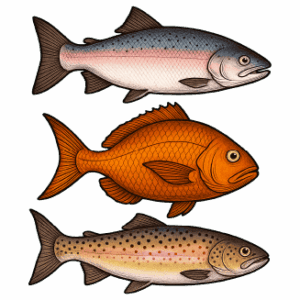
Fish are aquatic, gill-bearing animals that live in fresh or salt water and serve as a rich natural source of protein, omega-3 fatty acids, and essential minerals for dogs. In canine nutrition, fish typically refers to edible marine or freshwater species used whole, as fillets, or as processed meals and oils. The type of fish, its size, and its place in the ocean food chain influence its nutritional value, safety, and sustainability. When responsibly sourced, fish offers dogs a highly digestible protein and a sustainable way to support skin, joint, brain, and heart health. |

|
Shellfish are nutrient-rich marine animals, including mussels, clams, and other species with hard outer shells, providing high-quality protein and essential fats. |

|
Mammals are warm-blooded animals that nourish their young with milk and store nutrients within tissues such as muscle, organs, fat, connective tissue, skin, and bone. In canine nutrition, mammalian ingredients extend far beyond meat alone. Beef, lamb, pork, goat, rabbit, venison, are common protein options. Additionally, dairy products, connective tissues, bones, marrow, and collagen-rich chews all provide different benefits. The nutritional value of mammalian ingredients depends not only on the species itself, but also on tissue selection, sourcing, freshness, and processing methods. |

|
Poultry for dogs includes edible birds and bird-derived foods such as chicken, turkey, duck, goose, quail, pheasant, organs, fats, and eggs. Birds occupy an important place in natural food webs, and wild canids may eat birds, nestlings, eggs, or avian carrion when those foods are available. Poultry can provide complete protein, energy, essential fatty acids, vitamins, and minerals, but its nutritional value changes with the species, body part, diet, living conditions, and processing method. |

Follow the Research
Studies providing deeper insight into Animals
| Title | Information |
|---|

Dig Deeper
Q/A's related to Animals