
Lifestyle Strategies

The Lifestyle Strategies category explores holistic approaches that support a dog’s overall health and well-being through everyday routines and environmental considerations. This includes topics like exercise, mental enrichment, socialization, grooming, and creating a safe, stimulating home environment. These strategies are designed to enhance quality of life, prevent health issues, and promote emotional balance, empowering pet parents to proactively care for their dog in alignment with their unique needs and natural instincts.

| search_title | Featured Image | Information |
|---|---|---|
| Proactive Strength & Mobility Conditioning | 
Proactive Strength & Mobility Conditioning |
Proactive Strength & Mobility Conditioning Strength and mobility conditioning helps dogs build and maintain muscle to support joints, prevent injuries, and slow the progression of mobility-related conditions. Targeted exercises, weight-bearing activities, and physical therapy improve flexibility, balance, and overall movement, benefiting both young and aging dogs. |
| Grooming & Coat Care | 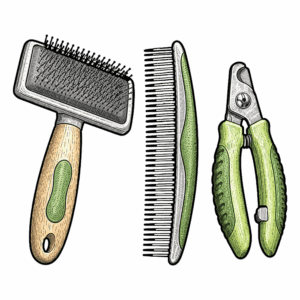
Grooming & Coat Care |
Grooming & Coat Care Regular grooming supports a dog’s skin, coat, and overall hygiene, helping to prevent matting, infections, and irritation. Bathing, brushing, and nail trimming keep dogs comfortable, while monitoring for changes can help detect underlying health issues early. |
| Dental Care & Oral Hygiene | 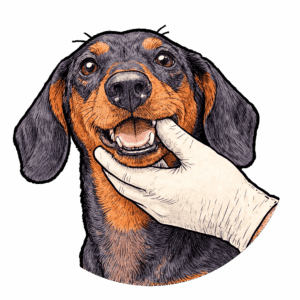
Dental Care & Oral Hygiene |
Dental Care & Oral Hygiene Maintaining oral hygiene helps prevent plaque buildup, gum disease, and systemic infections that can affect the heart, kidneys, and digestive health. Regular brushing, dental chews, and professional cleanings reduce the risk of periodontal disease, bad breath, and tooth loss. |
| Stress Reduction & Anxiety Management | 
Stress Reduction & Anxiety Management |
Stress Reduction & Anxiety Management Chronic stress and anxiety disrupt a dog’s emotional balance, immune function, digestion, and long-term health. Supporting emotional well-being through a stable environment, physical and mental enrichment, and targeted nutrition helps dogs feel secure and resilient. |
| Mental Enrichment | 
Mental Enrichment |
Mental Enrichment Mental enrichment keeps dogs engaged and prevents boredom, frustration, and cognitive decline by encouraging problem-solving and natural instincts. Activities like puzzle toys, scent work, training, and interactive play stimulate a dog’s brain, reducing anxiety and promoting overall well-being. |
| Appropriate Exercise | 
Appropriate Exercise |
Appropriate Exercise Appropriate exercise is physical activity that supports a dog’s cardiovascular health, joint function, muscle strength, and mental well-being in a way that aligns with their biology, instincts, and individual capacity. Effective exercise balances physical movement with mental engagement and varies based on a dog’s genetics, life stage, environment, and health status. |
| Healthy Weight Management | 
Healthy Weight Management |
Healthy Weight Management Healthy weight management for dogs aims to maintain an optimal dog body condition, not just a target weight. Dog obesity increases joint stress and metabolic risk, while being underweight can signal poor nutrition, muscle loss, or underlying illness. Regular body condition scoring with veterinary input helps caregivers track trends and keep dogs in a healthier middle range. |
| Digestion Supplements | 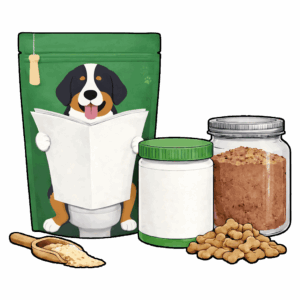
Digestion Supplements |
Digestion Supplements Digestion supplements support gut health, nutrient absorption, and balanced digestion, especially for dogs with sensitive stomachs or chronic conditions like IBD or pancreatitis. Probiotics, enzymes, and fiber-based supplements help maintain a strong digestive system and prevent issues like diarrhea, constipation, and bloating. |
| Joint Supplements | 
Joint Supplements |
Joint Supplements Joint supplements for dogs provide nutritional compounds that may help maintain cartilage and connective tissues, influence inflammatory activity, and support comfortable movement. Different formulations address different aspects of joint biology, making ingredient selection, dosage, and individual needs important considerations. Supplements may be used proactively or alongside other forms of care for dogs experiencing joint changes. |
| Species-Appropriate Diet | 
Species-Appropriate Diet |
Species-Appropriate Diet A species-appropriate diet for dogs emphasizes foods that align with canine digestive biology and nutritional needs. It prioritizes nutrient-dense ingredients, adequate high-quality protein and fat, appropriate moisture, and forms of nutrients the body can readily absorb and use. Because dogs vary widely in age, breed, activity level, and health status, species-appropriate feeding functions as a flexible framework rather than a single prescribed diet. |
| Home Mobility Modifications | 
Home Mobility Modifications |
Home Mobility Modifications Home mobility modifications involve adapting the home to better match how dogs naturally move. By viewing the environment from a dog’s perspective—at floor level, without shoes, and on four limbs—pet parents can create spaces that support safer movement and long-term physical well-being. |
| Dental Chews | 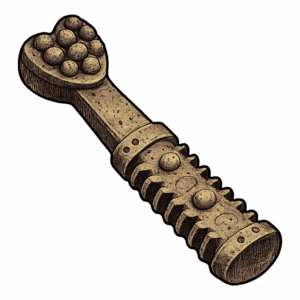
Dental Chews |
Dental Chews Dental chews for dogs are chewable products designed to reduce plaque through physical contact with the teeth during chewing. They matter because plaque is the starting point for tartar buildup and gum inflammation, which can progress into more serious dental disease over time. When they work well, they help slow buildup by creating friction along the tooth surface. When they fall short, it is usually because there is not enough chewing time, not enough abrasive texture, or not enough contact with the teeth and gumline. |
| Vehicle Ramps and Stairs | 
Vehicle Ramps and Stairs |
Vehicle Ramps and Stairs Ramps and stairs are portable access aids that help dogs enter and exit vehicles with less jumping. Ramps provide a continuous incline, while stairs break the vehicle height into smaller steps. The right setup can reduce repeated impact on the joints and make car access safer for dogs with different sizes, ages and mobility needs. |