
Skin & Coat


Overview
How the Skin and Coat Work Together to Protect and Communicate
The skin is the largest organ in a dog’s body, and along with the coat, it serves as the body’s first line of defense against environmental threats. These structures also play key roles in thermoregulation, sensation, immune response, and communication.
The skin is composed of multiple layers, each with specific functions:
- The epidermis forms the outermost barrier, shielding the body from moisture loss, allergens, and microbes. This layer renews regularly and contains specialized immune cells that detect and respond to potential threats.
- The dermis lies beneath the epidermis and contains blood vessels, nerve endings, connective tissue, and hair follicles. It also houses sebaceous glands that produce oils (sebum) to lubricate and protect the skin and coat.
- The hypodermis, or subcutaneous layer, is made of fat and connective tissue, providing insulation and cushioning.
The coat is made up of individual hairs that grow from follicles embedded in the dermis, the middle layer of the skin. Each follicle undergoes a natural cycle of growth, rest, and shedding.
In healthy dogs, this cycle follows a predictable rhythm that varies by breed, season, and individual health status. For example, double-coated breeds like Huskies or Golden Retrievers shed heavily in spring and fall, while single-coated breeds may shed more evenly year-round.
The coat serves several essential functions. It provides insulation by trapping a layer of air close to the body, helping dogs regulate their body temperature in both hot and cold weather. It also shields the skin from ultraviolet light, environmental irritants, and minor abrasions.
In some breeds, the coat offers camouflage or enhanced protection in specific climates. Additionally, hair follicles are connected to nerve endings, giving the coat a sensory role — dogs can feel even light pressure or movement across their fur.
Changes in coat texture, thickness, or shedding patterns often reflect changes in the body. Excessive hair loss, dry or brittle fur, or poor regrowth may indicate underlying issues such as nutritional deficiencies, hormonal imbalances, chronic inflammation, or stress. Because the coat depends on steady nutrient delivery and hormonal signaling, it can be an early indicator of internal dysfunction, especially when paired with changes in skin condition or behavior.
What Healthy Skin and Coat Look Like
Healthy skin and coat are signs of a well-functioning body. In dogs, they typically appear as:
- Skin that is smooth, supple, and free from flakes, sores, or discoloration.
- A coat that is shiny or matte, depending on breed, but consistent in appearance and free from mats, dandruff, or greasy patches.
- Minimal itching or licking outside of normal grooming behavior.
- No persistent odor or signs of inflammation.
Variations between breeds are normal, but sudden changes in skin or coat condition often indicate an underlying issue.
What Can Go Wrong
Because the skin is in constant contact with the outside world and closely tied to the immune and endocrine systems, it is especially vulnerable to both external and internal disruptions.
Common causes of skin and coat problems include:
- Environmental allergies, such as pollen, dust mites, or mold, which can cause itching, redness, and secondary infections.
- Food sensitivities or imbalanced diets, especially those low in essential fatty acids, zinc, or B vitamins, which may weaken the skin barrier and dull the coat.
- Parasites, including fleas, mites (as in mange), or ticks, which can cause irritation, hair loss, and bacterial or fungal infections.
- Endocrine disorders, such as hypothyroidism or Cushing’s disease, which can lead to thinning hair, dry skin, or delayed healing.
- Overbathing or use of harsh grooming products, which strip the skin of natural oils and disrupt its microbial balance.
- Digestive dysfunction, which may lead to malabsorption of nutrients essential to skin health.
- Chronic inflammation or immune dysregulation, which may manifest as persistent itchiness, hot spots, or autoimmune skin conditions.
In many cases, the skin is the first place internal dysfunction becomes visible. A dog who appears otherwise healthy may begin licking their paws, losing patches of fur, or showing redness along the belly — signs that something deeper needs attention.
How the Gut, Immune System, and Skin Are Connected
The skin and gastrointestinal systems are connected through a shared network of immune responses and microbial signaling. This relationship, sometimes referred to as the gut-skin axis, explains why digestive or immune imbalances may result in dermatological symptoms.
For example:
- A dog with dysbiosis (imbalance in gut flora) may develop skin inflammation, ear infections, or food intolerances.
- Dogs with poorly functioning digestive enzymes may fail to absorb key skin-supporting nutrients like biotin, zinc, or essential fatty acids.
- Chronic gastrointestinal inflammation can heighten immune sensitivity, increasing the likelihood of allergic or inflammatory skin reactions.
Supporting digestive and immune health is often an important part of treating chronic skin conditions, even when symptoms appear externally.
Proactive Support for Skin and Coat Health
Supporting skin and coat health involves more than treating visible symptoms. Long-term health depends on systemic support — especially through diet, immune regulation, and environmental care.
Nutritional support includes:
- Essential fatty acids, especially omega-3s like EPA and DHA, which help reduce inflammation and strengthen the skin barrier.
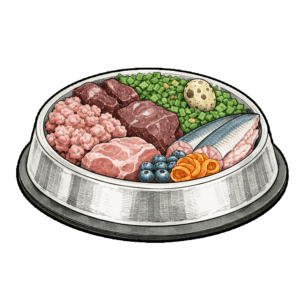
- High-quality protein, needed to maintain the structure of skin and grow healthy hair.
- Micronutrients, such as zinc, vitamin A, biotin, and vitamin E, which play key roles in skin repair, cellular turnover, and antioxidant defense.
Digestive and immune system support may involve:
- Probiotics and prebiotics, which help maintain a balanced gut microbiome and may reduce allergic sensitivity.
- Digestive enzymes, which aid in nutrient absorption, particularly in dogs with compromised GI function.
- Anti-inflammatory ingredients, such as quercetin or curcumin, which may help reduce itching and redness.
Topical and environmental support includes:
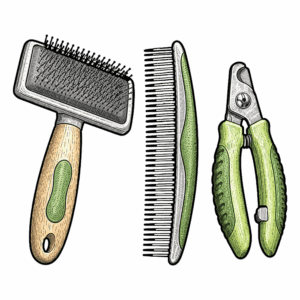
- Gentle grooming routines, including regular brushing and use of moisturizing shampoos free from harsh detergents or artificial fragrances.
- Environmental control, such as humidifiers in dry climates and regular cleaning of bedding to reduce allergen exposure.
- Parasite prevention, using either natural or conventional approaches, depending on the dog’s needs and risks.
When to Seek Veterinary Evaluation
Mild itching or seasonal coat changes are often manageable at home. However, professional evaluation is important when:
- Symptoms persist beyond a few days or worsen despite basic care
- Skin appears red, inflamed, or shows signs of infection (e.g., pus, crusting, or a foul odor)
- Hair loss occurs in patches or spreads rapidly
- The dog appears uncomfortable, lethargic, or is overgrooming to the point of self-injury
Veterinarians may perform skin scrapings, cytology, blood tests, or allergy testing to identify the underlying cause. Treating only the surface symptoms may bring temporary relief but won’t resolve deeper dysfunctions.
Bringing It All Together
The skin and coat are not isolated features. They are dynamic systems that reflect the overall balance of a dog’s health. Beneath the surface, the skin interacts closely with the immune, endocrine, and digestive systems, responding to shifts in nutrient availability, inflammatory signaling, and microbial composition. The coat also depends on a steady supply of protein, micronutrients, and hormones to support normal growth and shedding cycles.
When problems arise, they often point to stress elsewhere in the body. Recognizing these visible changes as part of a broader physiological pattern allows for more effective care. Instead of focusing only on surface symptoms, addressing the nutritional, metabolic, or immune-related factors underneath creates a stronger foundation for lasting skin and coat health.

Health Conditions
 Health conditions related to Skin & Coat
| Image & Title | At a Glance |
|---|---|

|
Food allergies and sensitivities are adverse reactions to ingredients in the diet, but they differ in their underlying cause. Food allergies involve an immune response and can result in symptoms like itching, ear infections, or gastrointestinal upset. Food sensitivities, by contrast, stem from poor digestion or gut imbalance and typically cause more localized, digestive symptoms. While allergies tend to be consistent and long-term, sensitivities may improve over time with digestive support. |

|
Canine Atopic Dermatitis (Environmental Allergies) is a long-term allergic reaction to airborne triggers like pollen, dust mites, or mold, leading to chronic itching, skin infections, and ear problems. |

|
Hot Spots (Acute Moist Dermatitis) are inflamed, infected patches of skin that develop rapidly due to excessive licking, scratching, or moisture trapped in the coat. They’re common in thick-coated or allergy-prone dogs. |
 Sarcoptic Mange (Sarcoptes Scabiei Mites) Sarcoptic Mange (Sarcoptes Scabiei Mites) |
Sarcoptic Mange (Scabies) is a skin disease caused by microscopic mites that burrow under the skin, leading to intense itching, redness, and hair loss. It’s highly contagious. |
| Demodectic Mange (Demodex Canis Mites) |
Demodectic Mange (Demodex) is caused by naturally occurring mites that overgrow in a dog’s skin, leading to patchy hair loss. Unlike scabies, it isn’t contagious. |
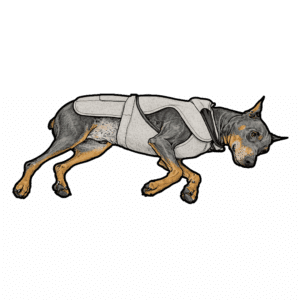 Color Dilution Alopecia (CDA) Color Dilution Alopecia (CDA) |
Color Dilution Alopecia (CDA) is a hereditary skin and coat condition that affects some dogs with dilute coat colors such as blue, gray, or fawn. These lighter coat shades occur when a genetic variant changes how melanin, the pigment responsible for hair color, is transported inside growing hair shafts. In certain dogs, pigment accumulates unevenly within the hair, weakening the structure of the hair fiber and causing brittle hairs that break easily. Over time, this leads to thinning coats, patchy hair loss, and skin changes that may require supportive veterinary care. |

Therapeutic Interventions
Therapeutic Interventions of Skin & Coat


Lifestyle Strategies
Lifestyle Strategies of Skin & Coat


Foods
Food sources of Skin & Coat

Food Components
Ingredient sources of Skin & Coat

Food Component Groups
Ingredient sources group of Skin & Coat

Nutrients
Nutrients Found in Skin & Coat


Nutrient Types
Nutrient Types of Skin & Coat

Nutrient Sub-Types
Nutrient Sub-Types of Skin & Coat

Follow the Research
Studies providing deeper insight into Skin & Coat
| Title | Information |
|---|---|
| Incidence, complications and therapeutic evaluation of clinical hypothyroidism in different breeds of dogs | At a Glance This 2025 clinical study published in BMC Veterinary Research investigated how often hypothyroidism is the underlying cause in dogs presenting with common concerns like hair loss or obesity. The researchers aimed to clarify whether these everyday clinical signs are frequently linked to thyroid dysfunction, how the condition progresses when unrecognized, and how dogs respond to treatment. The findings show that hypothyroidism is not uncommon in these cases and can affect multiple body systems when it advances. Connecting the Dots |
| Potential Adverse Effects of Omega-3 Fatty Acids in Dogs and Cats | At a Glance This 2013 review looks at the possible risks of omega-3 fatty acids in dogs and cats, especially EPA and DHA from fish oil. While omega-3s are commonly used to support skin, joint, heart, and kidney health, the authors explain that high amounts can sometimes cause issues like GI upset, changes in clotting, oxidative stress, immune shifts, or slower wound healing. The paper also stresses that plant-based ALA is not the same as EPA and DHA, so the source of omega-3s matters when considering both benefits and risks. Connecting the Dots |

Dig Deeper
Q/A's related to Skin & Coat
| Title | URL | At a Glance |
|---|---|---|
| How do you tell the difference between demodectic and sarcoptic mange? | https://www.bernies.com/university/dig-deeper/how-do-you-tell-the-difference-between-demodectic-and-sarcoptic-mange/ | Sarcoptic mange usually causes severe itching and spreads easily through contact, so other dogs in the household may start scratching as well. Demodectic mange is not typically contagious and more often causes patchy hair loss with little itching at first. Because sarcoptic mange involves exposure to contagious mites and demodectic mange involves overgrowth of mites already in the skin, veterinarians use itch severity, distribution of hair loss, and skin testing to decide whether isolation and immediate treatment are needed. |

Blog Articles
Articles related to Skin & Coat
| Featured Image Link | Blog Title | Blog_URL_Link |
|---|---|---|

|
The Ultimate Dog First Aid Kit: What's in Yours? | https://www.bernies.com/blogs/bernies-blog/the-ultimate-dog-first-aid-kit-whats-in-yours/ |

|
Ways To Groom Your Dog In The Comfort Of Their Own Home | https://www.bernies.com/blogs/bernies-blog/ways-to-groom-your-dog-in-the-comfort-of-their-own-home/ |

|
How to Make Sure Your Dog's Skin & Coat are Winter Ready | https://www.bernies.com/how-to-make-sure-your-dog-s-skin-and-coat-are-winter-ready/ |
 |
A Better Pet Grooming Routine: Tips from Our Director of Education | https://www.bernies.com/blogs/bernies-blog/a-better-pet-grooming-routine-tips-from-our-director-of-education/ |