
Foods

The Foods category includes whole, recognizable ingredients such as chicken, pumpkin, or anchovies, which may be encountered in dog foods or supplements. These ingredients represent unprocessed or minimally processed components that directly contribute to a dog’s diet. Positioned within the food hierarchy, Foods are distinct from Food Components (like anchovy oil or pumpkin seeds) and Nutrients (such as omega-3 fatty acids or vitamins), focusing on the complete, primary ingredients that form the basis of canine meals and treats.

| search_title | Featured Image | Information |
|---|---|---|
| Kelp | 
Kelp |
Kelp Kelp is a nutrient-dense seaweed rich in iodine, antioxidants, and minerals that support thyroid health, immune function, and skin condition. It is commonly used in natural supplements and dog food formulations. |
| Kale | 
Kale |
Kale Kale is a dark leafy vegetable related to cabbage and broccoli. It contains vitamins, minerals, and natural plant compounds, which is why small amounts sometimes appear in dog foods, treats, and supplements. |
| Chicory Root | 
Chicory Root |
Chicory Root Chicory root is a plant ingredient rich in inulin, a natural prebiotic fiber that helps nourish beneficial bacteria in the gut and support healthy digestion. |
| Black Pepper | 
Black Pepper |
Black Pepper Black Pepper is a spice containing piperine, which may enhance nutrient absorption, particularly curcumin from turmeric. While small amounts are sometimes used in supplements, large quantities can irritate a dog’s digestive tract. |
| Cow | 
Cow |
Cow Cow is a primary protein source in many dog foods, providing high-quality amino acids, iron, and B vitamins. Beef-based diets can be nutritious but are also a common allergen for some dogs. |
| Alfalfa | 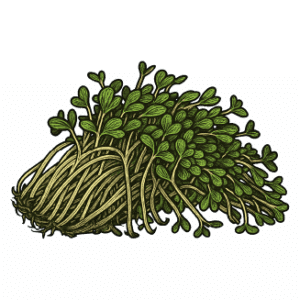 Alfalfa |
Alfalfa Alfalfa is a leafy legume plant known for its dense concentration of minerals, chlorophyll, vitamins, and plant phytonutrients. In dog nutrition, small amounts of alfalfa may appear in foods, supplements, and dental chews because the plant contributes trace nutrients and antioxidant compounds. When included in balanced formulas, alfalfa can support normal metabolic processes and nutrient diversity in a dog’s diet. Excessive amounts are unnecessary and may introduce excess fiber or mineral imbalance. |
| Coconut | 
Coconut |
Coconut Coconut provides medium-chain triglycerides (MCTs) that may support cognitive function, skin health, and energy levels. Coconut oil and shredded coconut are sometimes added to dog food, but excess can cause digestive upset. |
| Potato | 
Potato |
Potato Potato is a starchy vegetable that serves as a digestible carbohydrate source in dog food, providing fiber, vitamins, and energy. While common in grain-free diets, dogs with blood sugar concerns may need alternatives. |
| Chicken | 
Chicken |
Chicken Chicken for dogs is one of the most common protein sources used in commercial and fresh diets, providing essential amino acids that support muscle, skin, and overall body function. Its affordability and availability make it a staple in many feeding routines. While most dogs tolerate chicken well, individual responses can vary based on factors like diet history, digestion, and ingredient quality. |
| Turkey | 
Turkey |
Turkey Turkey is a lean protein source rich in B vitamins, selenium, and phosphorus, often used as an alternative to chicken for dogs with allergies. It is commonly found in limited-ingredient and novel protein diets. |
| Bacillus Coagulans | 
Bacillus Coagulans |
Bacillus Coagulans Bacillus coagulans is a spore-forming probiotic bacterium that helps balance a dog’s gut microbiome by producing lactic acid, which lowers intestinal pH and creates a less favorable environment for harmful bacteria. Unlike many probiotics, it survives stomach acid, allowing it to reach the intestines where it aids digestion, supports immune function, and may help reduce symptoms of diarrhea, bloating, and food sensitivities. |
| Bacillus Subtilis | 
Bacillus Subtilis |
Bacillus Subtilis Bacillus subtilis is a spore-forming bacterium commonly found in soil and on plants. While many strains exist in the environment, some have been studied for use in dog food and supplements because of their ability to withstand processing, survive the stomach’s acidity, and influence gut bacteria or enzyme activity. |
| Yucca Schidigera |  Yucca Schidigera |
Yucca Schidigera Yucca schidigera is a fibrous, evergreen plant native to desert regions, known for its rich content of saponins, natural compounds that reduce inflammation and support gut health, and resveratrol, a powerful antioxidant that protects cells from damage. In dog nutrition, yucca supports joint, immune, and skin health while reducing stool odor by minimizing ammonia production in the gut, making it a functional and versatile ingredient in supplements and pet foods. |
| Schizochytrium | 
Schizochytrium |
Schizochytrium Schizochytrium is a marine microalgae used in dog nutrition as a sustainable and hypoallergenic source of omega-3 fatty acids, including DHA and EPA. Known for its bioavailability, it supports joint health, brain function, skin and coat health, and cardiovascular well-being. As an eco-friendly alternative to fish oil, Schizochytrium provides essential nutrients without the risk of contaminants, making it ideal for dogs with fish sensitivities. |
| Blueberries | 
Blueberries |
Blueberries Blueberries are small, nutrient-rich fruits packed with antioxidants like anthocyanins, which support cellular health, reduce inflammation, and promote brain and cognitive function. Low in calories, blueberries can make an excellent addition to dog diets as a natural treat or functional ingredient. |
| Green Tea | 
Green Tea |
Green Tea Green tea is a plant ingredient derived from the leaves of Camellia sinensis. When used in dog supplements, it is typically decaffeinated and included as a source of antioxidant compounds called catechins that help support cellular health and normal inflammatory balance. |
| Anchovies | 
Anchovies |
Anchovies Anchovies are small, oily saltwater fish that are highly bioavailable and naturally low in contaminants due to their short lifespan and plankton-based diet. For dogs, they offer a clean, sustainable source of protein and omega-3 fatty acids. |
| Pollock | 
Pollock |
Pollock Pollock is a fish with two main species: Alaskan pollock, also known as walleye pollock, which is found in the North Pacific, and Atlantic pollock from the North Atlantic. Alaskan pollock is more commonly used due to its abundance, high protein content, and sustainable fishing practices that prioritize environmental stewardship. |
| Miscanthus Grass | 
Miscanthus Grass |
Miscanthus Grass Miscanthus giganteus is a rhizomatous perennial grass rich in insoluble fiber, supporting digestive health by regulating stool consistency. It is grain-free, hypoallergenic, and eco-friendly, making it a sustainable fiber alternative in many dog diets. |
| Green-Lipped Mussels | 
Green-Lipped Mussels |
Green-Lipped Mussels Green-lipped mussel is a shellfish from New Zealand, rich in omega-3 fatty acids (EPA and DHA) and naturally occurring glycosaminoglycans. |
| Flaxseed | 
Flaxseed |
Flaxseed Flaxseed is a plant-based source of omega-3 fatty acids, primarily ALA, which dogs convert inefficiently, but its combination of soluble and insoluble fiber can make it a beneficial ingredient for supporting digestive health in dogs. |
| Pumpkin | 
Pumpkin |
Pumpkin Pumpkin is a fruit from the winter squash family, known for its high fiber content and levels of beta-carotene and vitamins A and C. |
| Turmeric | 
Turmeric |
Turmeric Turmeric is the underground stem (rhizome) of a flowering plant in the ginger family. It has a vivid yellow-orange color due to curcumin, a compound noted for its potential to support inflammatory response and antioxidant activity. |
| Boswellia | 
Boswellia |
Boswellia Boswellia is a genus of small trees found in India, the Middle East, and parts of Africa. These trees produce a sticky, aromatic resin known historically as frankincense, which has been valued for thousands of years in incense, medicine, and trade. Today, extracts of the resin from Boswellia serrata (the Indian species) are widely used in dog supplements, where they support joint comfort, mobility, and healthy inflammatory balance. On product labels, this ingredient almost always appears as “Boswellia serrata extract,” rather than frankincense. |
| Chaga Mushrooms | 
Chaga Mushrooms |
Chaga Mushrooms Chaga (Inonotus obliquus) is a medicinal mushroom that grows primarily on birch trees in cold, northern climates. It is naturally rich in polyphenols, melanin, and antioxidant compounds that are studied for their role in supporting cellular resilience and oxidative balance. Chaga is commonly used in supplemental form as a concentrated extract rather than as a whole food. |
| Cordyceps Mushrooms | 
Cordyceps Mushrooms |
Cordyceps Mushrooms Cordyceps mushrooms are a distinctive type of fungus that, in the wild, grow from insect larvae rather than soil or wood, producing thin orange fruiting bodies. Because this natural form isn’t suitable for widespread supplement use, nearly all Cordyceps used today is cultivated on plant material in controlled environments. Cordyceps appears in dog supplements for bioactive compounds such as cordycepin and adenosine, which are studied for their roles in supporting energy metabolism, stamina, and immune balance. |
| Lion’s Mane Mushrooms | 
Lion’s Mane Mushrooms |
Lion’s Mane Mushrooms Lion’s Mane mushrooms (Hericium erinaceus) are a distinctive white fungus that grows on hardwood trees and forms soft, cascading spines instead of caps. They contain natural compounds such as hericenones and erinacines, which are studied for their potential to support brain and nerve health. In canine nutrition, Lion’s Mane appears in supplements formulated for cognitive function and healthy aging, and is considered safe for dogs when used in extract form under veterinary guidance. |
| Maitake Mushrooms | 
Maitake Mushrooms |
Maitake Mushrooms Maitake mushrooms (Grifola frondosa), also known as Hen of the Woods, are large, ruffled fungi that grow in clusters at the base of hardwood trees such as oak. They contain complex beta-glucans, including a well-studied compound called D-fraction, which has been researched for its effects on immune and metabolic health. In canine supplements, Maitake is used to help support balanced immune function and vitality, and is considered safe for dogs when used in extract form under veterinary guidance. |
| Reishi Mushrooms | 
Reishi Mushrooms |
Reishi Mushrooms Reishi mushrooms (Ganoderma lucidum) are glossy, reddish-brown fungi that grow on hardwood trees and are known for their dense texture and bitter taste. They contain beta-glucans that support immune balance and distinctive triterpenes (ganoderic acids) studied for their antioxidant and anti-inflammatory properties. In dogs, Reishi is used in wellness and immune-support supplements to promote resilience, liver health, and healthy aging, and is considered safe when provided as a standardized extract under veterinary guidance. |
| Sardines | 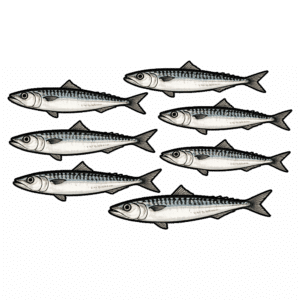 Sardines |
Sardines Sardines are small, oily fish that serve as a source of omega-3 fatty acids (EPA and DHA), protein, and naturally occurring minerals such as calcium, selenium, and vitamin D. Because they feed on plankton and are often consumed whole (including their bones and skin) they provide dogs with marine-derived nutrients that support normal metabolism, joint function, and skin health. Their low position in the ocean food web means sardines typically contain fewer contaminants than larger fish. |
| Turkey Tail Mushrooms | 
Turkey Tail Mushrooms |
Turkey Tail Mushrooms Turkey Tail mushrooms (Trametes versicolor) are thin, fan-shaped fungi that grow on decaying hardwood trees and are known for their colorful, layered rings. They contain dense beta-glucans and related compounds such as PSK and PSP, which are studied for their roles in supporting immune balance and cellular health. In dogs, Turkey Tail is used in wellness and immune-support supplements and is generally considered safe when provided in extract form under veterinary guidance. |
| Agaricus blazei Mushrooms | 
Agaricus blazei Mushrooms |
Agaricus blazei Mushrooms Agaricus blazei, sometimes called the “Mushroom of the Sun,” originated in Brazil and is now cultivated worldwide. It is included in supplements for its high content of beta-glucans, which are studied for their ability to help support balanced immune function. |
| Shiitake Mushrooms | 
Shiitake Mushrooms |
Shiitake Mushrooms Shiitake mushrooms (Lentinula edodes) are edible fungi native to East Asia and widely cultivated around the world. Known for their rich flavor and dense nutritional profile, they contain polysaccharides such as lentinan along with antioxidants and micronutrients. In dogs, Shiitake mushrooms occasionally appear in functional food formulations and mushroom blends aimed at supporting immune balance, metabolic health, and overall resilience. |