
Osteoarthritis



Overview
What Is Osteoarthritis in Dogs?
Osteoarthritis (OA), a degenerative joint disease, is the most common form of arthritis in dogs. It is a chronic, progressive condition in which the smooth cartilage that normally cushions the ends of bones within a joint gradually deteriorates. As cartilage thins and loses integrity, bones begin to make direct contact, generating friction, pain, and inflammation. Over time, the joint remodels itself in maladaptive ways, producing bony outgrowths (osteophytes), thickened tissues, and loss of fluid quality.
This process is not a sudden event but a slow cascade: once cartilage damage begins, the altered joint environment accelerates further damage. For this reason, osteoarthritis is best understood not as a single injury, but as a self-perpetuating disease process of the joint.
Types of Arthritis in Dogs
The term arthritis simply means “inflammation of a joint,” but it encompasses several distinct conditions. Osteoarthritis accounts for the overwhelming majority of cases in dogs, yet it is not the only form:
- Osteoarthritis (Degenerative Joint Disease): By far the most common, characterized by mechanical wear-and-tear, progressive cartilage loss, and secondary joint remodeling.
- Immune-mediated arthritis: Less common, in which the immune system attacks joint tissue, leading to systemic illness and multi-joint involvement.
- Infectious (septic) arthritis: Joint inflammation caused by pathogens, often acute, painful, and requiring rapid treatment.
- Post-traumatic arthritis: Secondary to joint injury or instability, where altered mechanics accelerate cartilage breakdown.
Among these, osteoarthritis is the condition that affects aging and overweight dogs most broadly and is the focus of this page.
What Happens Inside a Dog’s Joint with Osteoarthritis
A joint is not just the meeting of two bones. It is a specialized organ system built to allow movement while distributing load. Its structures work together so that motion is smooth, stable, and pain-free:
- Articular cartilage provides a low-friction surface and absorbs impact.
- Synovial fluid lubricates movement and nourishes the cartilage, which lacks its own blood supply.
- The joint capsule seals the system, while ligaments keep bones aligned under stress.
- Subchondral bone beneath the cartilage provides a sturdy but slightly elastic foundation that helps distribute forces.
When these parts function in harmony, the joint behaves like a well-oiled hinge: resilient to daily stress, efficient in motion, and quiet in its operation. Osteoarthritis disrupts this harmony. Each component undergoes structural and biochemical changes that compromise the system as a whole.
Healthy Joint vs. Osteoarthritic Joint
| Structure | Healthy Joint | Osteoarthritic Joint |
|---|---|---|
| Articular cartilage | Thick, smooth, elastic. Maintains near-frictionless glide between bones. | Thins, softens, frays. Surface becomes rough; fissures form; bone beneath becomes exposed. |
| Synovial fluid | Viscous, nutrient-rich, high in hyaluronic acid. Cushions and nourishes cartilage. | Loses viscosity, nutrient quality declines. Inflammatory mediators accumulate. |
| Joint capsule | Flexible but firm enclosure, maintains joint space. | Thickens in response to inflammation, reducing range of motion. |
| Ligaments | Maintain alignment and stability during load and movement. | May stiffen or stretch, destabilizing the joint. |
| Subchondral bone | Absorbs and redistributes force beneath cartilage, slightly elastic. | Hardens (sclerosis) under abnormal load. Forms osteophytes at margins. |
In osteoarthritis, what begins as subtle biochemical imbalance in cartilage and synovial fluid evolves into a full-system breakdown. Cartilage no longer shields bone, synovial fluid no longer cushions, the capsule stiffens, and bone remodels itself in maladaptive ways. The result is pain, stiffness, and reduced mobility.
How Osteoarthritis Progresses Over Time
Osteoarthritis is not a single event but a gradual breakdown of joint balance. The process begins at the microscopic level, long before stiffness or limping are obvious, and advances through a predictable sequence of changes.
Early changes begin in the cartilage.
Cartilage is maintained by specialized cells called chondrocytes. Their role is to keep the tissue resilient by producing collagen for strength, proteoglycans for elasticity and water content, and enzymes that remodel the surface. In a healthy joint, this is a quiet, balanced process. In osteoarthritis, however, stress on the joint overwhelms normal repair. Chondrocytes switch into “overdrive,” releasing enzymes and inflammatory signals that weaken the cartilage instead of restoring it. The surface softens, loses water content, and develops microscopic cracks.
The joint environment becomes inflamed.
As cartilage fragments accumulate, the synovial lining of the joint capsule reacts with inflammation. This changes the composition of synovial fluid: it becomes thinner, less able to lubricate, and less effective at nourishing cartilage. The inflamed joint environment accelerates further cartilage damage, creating a self-perpetuating cycle.
Bone and soft tissues remodel in response.
As cartilage thins, the underlying bone is exposed to abnormal pressure. Subchondral bone hardens (a process called sclerosis), while new bony growths form at the margins (osteophytes). At the same time, the joint capsule thickens and surrounding ligaments may stiffen or stretch, further restricting normal motion.
Advanced disease alters the whole joint.
In late stages, large areas of cartilage are lost, leaving bone-on-bone contact. Osteophytes enlarge, the capsule is fibrotic, and synovial fluid is poor in quality. The joint is stiff, painful, and inefficient, and compensatory strain spreads to nearby joints and muscles.
Why Dogs Develop Osteoarthritis
Osteoarthritis rarely appears out of nowhere. It reflects the gradual accumulation of stresses that outpace a joint’s ability to repair itself. Some of these stresses are part of normal aging, while others come from injuries, developmental abnormalities, or excess weight.
Age reduces the resilience of cartilage.
As dogs grow older, cartilage naturally loses elasticity and water content. Chondrocytes, the cells that maintain cartilage, also become less efficient at repair. This makes older dogs more vulnerable to degenerative change, even without injury.
Excess weight increases load and inflammation.
Carrying extra pounds multiplies the mechanical stress placed on joints with every step. At the same time, fat tissue produces inflammatory mediators that accelerate cartilage breakdown. Overweight dogs are therefore at much higher risk of developing arthritis earlier in life.
Joint injuries destabilize mechanics.
Trauma such as a cranial cruciate ligament (CCL) tear disrupts the alignment of bones in the knee. Even after surgical stabilization, abnormal mechanics remain and secondary osteoarthritis almost always develops.
Developmental abnormalities create poor fit.
In conditions such as hip dysplasia or elbow dysplasia, the joint surfaces do not align properly. This uneven contact concentrates force on small areas of cartilage, causing early and severe wear.
Genetic predisposition influences risk.
Large and giant breeds — including Labrador Retrievers, German Shepherds, Golden Retrievers, and Bernese Mountain Dogs — are disproportionately affected. Genetic factors that influence cartilage quality, bone shape, and ligament stability all play a role.
In most dogs, osteoarthritis arises from a combination of these influences. A dysplastic hip, for example, becomes arthritic more quickly if the dog is overweight, while an older dog with a cruciate ligament tear will almost certainly develop arthritis in that knee.
How Osteoarthritis Appears in Dogs (and Why It Differs from Humans)
In people, arthritis is often recognized by swollen knuckles, stiff knees, or visible deformity. Dogs rarely show these outward signs, but osteoarthritis does produce both subtle and sometimes measurable physical changes.
Changes in movement and behavior are most common:
- Stiffness after rest is often one of the first clues. Dogs may rise slowly after naps or take a few stiff steps before loosening up.
- Reluctance with stairs, jumping, or running develops as joints become less efficient. Tasks that once seemed effortless may now cause hesitation.
- Changes in gait and stride may appear. A dog may shorten steps, shift weight to one side, or tire more quickly on walks.
- Behavior shifts such as reduced playfulness, withdrawal, or irritability can signal discomfort.
Physical changes may also be present, especially in advanced disease:
- Joint swelling or heat can occur when the synovium is inflamed. This may be felt as warmth or thickening around the joint.
- Muscle loss (atrophy) develops in limbs that are used less due to pain. Over time, the muscles around an arthritic hip or knee may visibly shrink.
- Reduced range of motion can be detected when the joint resists bending or extending fully, either from pain or from structural changes like osteophytes and capsule thickening.
Diagnosis: How Veterinarians Identify Osteoarthritis
Limping or stiffness alone cannot confirm osteoarthritis, since other conditions — such as cranial cruciate ligament tears, hip dysplasia, or even neurological problems — can appear similar. Diagnosis requires combining history, examination, and imaging.
Veterinary evaluation typically includes:
- Physical examination: A veterinarian assesses range of motion, joint stability, and pain response. Crepitus (a grinding sensation) may be felt when moving an affected joint.
- Radiographs (X-rays): The most common diagnostic tool, revealing narrowed joint spaces, osteophytes, thickened capsules, and hardened subchondral bone.
- Additional tests when needed: CT or MRI can show early cartilage or ligament changes not visible on X-ray. Joint fluid analysis may be performed to distinguish OA from infectious or immune-mediated arthritis.
Can Osteoarthritis Be Cured, Prevented, or Slowed?
Cartilage does not regenerate once it is lost, so there is no cure for osteoarthritis. The body may produce small amounts of fibrocartilage to patch defects, but this scar-like tissue is weaker and less resilient than true articular cartilage.
However, progression can often be slowed, and remaining joint health preserved.
- Prevention is partial, not absolute. Maintaining a lean body condition, avoiding repetitive joint stress, and addressing injuries promptly reduce risk. Responsible breeding practices lower the likelihood of dysplasia.
- Slowing disease is achievable. Early intervention with weight control, joint-supportive nutrition, and veterinary therapies can extend mobility and comfort.
- Management, not reversal, is the goal. The focus is protecting what cartilage remains, supporting the joint environment, and minimizing pain.
Management and Long-Term Outlook
Osteoarthritis management is most effective when multiple strategies are combined to target both pain and joint health.
Veterinary therapies form the foundation:
- Non-steroidal anti-inflammatory drugs (NSAIDs) reduce inflammation and pain.
- Injectable medications such as Adequan (polysulfated glycosaminoglycans) support cartilage metabolism and joint lubrication.
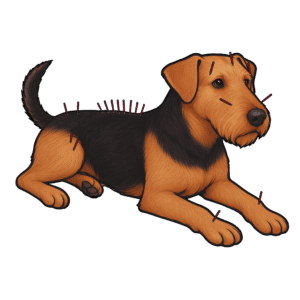
- Physical rehabilitation, laser therapy, or acupuncture improve mobility and comfort.
Nutritional support is equally important:
- Omega-3 fatty acids reduce inflammation within the joint.
- Glycosaminoglycans such as glucosamine and chondroitin help chondrocytes maintain proteoglycans, which keep cartilage hydrated and resilient.
- Collagen and green-lipped mussel extracts may provide additional structural support for cartilage and synovial fluid.
Lifestyle adjustments protect daily function:
- Maintaining a lean body weight minimizes unnecessary stress on joints.
- Ramps, traction mats, and orthopedic bedding make movement easier and safer.
- Controlled low-impact exercise, such as leash walks or swimming, maintains muscle mass and joint mobility without overloading damaged structures.
With consistent management, many dogs live comfortably with osteoarthritis for years. The condition cannot be reversed, but its impact can be minimized when remaining cartilage is supported, inflammation is controlled, and mobility is preserved.

General Health Topics
 Health Topics related to Osteoarthritis
| Image & Title | At a Glance |
|---|

Therapeutic Interventions
Therapeutic Interventions of Osteoarthritis


Lifestyle Strategies
Lifestyle Strategies of Osteoarthritis




Foods
Food sources of Osteoarthritis

Food Components
Ingredient sources of Osteoarthritis

Food Component Groups
Ingredient sources group of Osteoarthritis

Nutrients
Nutrients Found in Osteoarthritis


Nutrient Types
Nutrient Types of Osteoarthritis

Nutrient Sub-Types
Nutrient Sub-Types of Osteoarthritis


Follow the Research
Studies providing deeper insight into Osteoarthritis
| Title | Information |
|---|---|
| Anti-inflammatory and anti-arthritic effects of piperine in human interleukin 1β-stimulated fibroblast-like synoviocytes and in rat arthritis models | At a Glance This 2008 laboratory study investigated whether piperine, the active compound in black pepper, could help reduce inflammation and joint damage in arthritis. Researchers tested piperine on human joint cells from arthritis patients and rats with induced arthritis to observe its effects on inflammatory pathways and pain response. The results showed that piperine reduced key inflammatory markers (IL-6, PGE2) and enzymes that contribute to cartilage breakdown (MMP-13, COX-2). Rats treated with piperine also experienced less joint swelling, improved movement, and reduced pain sensitivity. Connecting the Dots |
| Potential Adverse Effects of Omega-3 Fatty Acids in Dogs and Cats | At a Glance This 2013 review looks at the possible risks of omega-3 fatty acids in dogs and cats, especially EPA and DHA from fish oil. While omega-3s are commonly used to support skin, joint, heart, and kidney health, the authors explain that high amounts can sometimes cause issues like GI upset, changes in clotting, oxidative stress, immune shifts, or slower wound healing. The paper also stresses that plant-based ALA is not the same as EPA and DHA, so the source of omega-3s matters when considering both benefits and risks. Connecting the Dots |
| Regulation of bone remodeling by vitamin K2 | At a Glance This article, published in Oral Diseases in 2017, reviews how Vitamin K2 regulates bone remodeling, the process of breaking down and rebuilding bone tissue. The findings suggest that Vitamin K2 supports bone density, reduces fracture risk, and may help prevent osteoporosis, especially when combined with Vitamin D3. The research primarily examines human, rat, and mouse models to understand Vitamin K2’s role in skeletal health. Connecting the Dots |
| Roles of plant-based ingredients and phytonutrients in canine nutrition and health | At a Glance The 2021 review article by Tanprasertsuk et al. synthesizes existing research to provide a clear picture of how natural compounds found in fruits, vegetables, and herbs—like carotenoids, polyphenols, and phytosterols—may support dogs' overall well-being. Connecting the Dots |
| The vital roles of boron in animal health and production: A comprehensive review. | At a Glance This 2018 review, published in the Journal of Trace Elements in Medicine and Biology, examined how boron influences bone strength, mineral metabolism, immune balance, and inflammation across multiple animal species. While dogs were not directly studied, the findings suggest boron may play a similar role in supporting canine joint health and overall resilience, though more research is needed to confirm its effects. Connecting the Dots |
| Therapeutic Effect of EPA and DHA Supplementation in Neoplastic and Non-Neoplastic Companion Animal Diseases | At a Glance This systematic review evaluates the therapeutic effects of EPA and DHA in treating various diseases in dogs and cats. Twenty-three randomized studies were analyzed, with benefits seen in both neoplastic (cancer-related) and non-neoplastic conditions such as allergic dermatitis, osteoarthritis, cardiovascular diseases, and haircoat disorders. The anti-inflammatory and immunomodulatory properties of EPA and DHA, through suppression of pro-inflammatory cytokines and matrix metalloproteinases, are highlighted as key mechanisms for their therapeutic effects. Connecting the Dots |
| Veterinary applications of pulsed electromagnetic field therapy | At a Glance This 2018 review explains how pulsed electromagnetic field (PEMF) therapy delivers carefully timed bursts of electromagnetic energy to stimulate tissue repair. Evidence supports its use in bone healing, osteoarthritis, wound healing, and post-operative pain and swelling. The paper emphasizes that different PEMF devices vary widely in waveform design, which determines whether they efficiently trigger biological cascades such as nitric oxide signaling. Veterinary studies are promising, but more controlled trials are needed to guide routine use. Connecting the Dots |
| Vitamin C in Health and Disease: A Companion Animal Focus | At a Glance This 2020 review article, published in Topics in Companion Animal Medicine, examined vitamin C in the health and disease of dogs and cats. The authors summarize evidence that while dogs and cats can produce their own vitamin C, levels fall during illness, raising interest in supplementation as a low-cost, low-risk therapy to support critically ill patients. Connecting the Dots |
| Vitamin C protects chondrocytes against monosodium iodoacetate-induced osteoarthritis by multiple pathways | At a Glance This 2016 laboratory study in rats and human-derived cell cultures investigated whether vitamin C could help protect cartilage from osteoarthritis (OA)-related damage. The study found that vitamin C reduced oxidative stress, inflammation, and cartilage breakdown in a rat model of OA, suggesting potential benefits. However, this research was not conducted in dogs, so its relevance to canine health is uncertain. Interestingly, higher doses of vitamin C were not more effective, meaning there may be an optimal amount beyond which additional vitamin C does not provide extra protection. Connecting the Dots |
| Vitamin K2 in animal health: An overview | At a Glance This 2016 review article surveyed what was known about vitamin K2 across species. The authors explain how K2 activates proteins that regulate bone and cartilage health, blood clotting, inflammation, kidney function, and vascular calcification. They also highlight a gap in companion animal nutrition: most commercial pet foods use synthetic K3 (menadione), which does not provide the same benefits as natural K2. The paper underscores the need for targeted research to understand whether dogs and cats could gain broader health advantages from true K2. Connecting the Dots |

Dig Deeper
Q/A's related to Osteoarthritis

Blog Articles
Articles related to Osteoarthritis
| Featured Image Link | Blog Title | Blog_URL_Link |
|---|---|---|
 |
Bernese Mountain Dog Health Issues - A Complete Owner’s Guide | https://www.bernies.com/blogs/bernies-blog/common-health-problems-for-bernese-mountain-dogs/ |
 |
How to Help Older Dogs with Arthritis Through Fiber Supplements | https://www.bernies.com/how-to-help-older-dogs-with-arthritis-through-fiber-supplements/ |
 |
The Benefits of Swimming for Dogs with Mobility Issues | https://www.bernies.com/blogs/bernies-blog/the-benefits-of-swimming-for-dogs-with-mobility-issues/ |
 |
Creating a Low-Impact Exercise Plan for Dogs with Arthritis | https://www.bernies.com/blogs/bernies-blog/creating-a-low-impact-exercise-plan-for-dogs-with-arthritis/ |
 |
How to Prevent Arthritis in Dogs | https://www.bernies.com/blogs/bernies-blog/how-to-prevent-arthritis-in-dogs/ |
 |
How Do Vets Diagnose Arthritis in Dogs? | https://www.bernies.com/blogs/bernies-blog/how-do-vets-diagnose-arthritis-in-dogs/ |
 |
What Can I Give My Dog for Joint Pain at Home | https://www.bernies.com/blogs/bernies-blog/what-can-i-give-my-dog-for-joint-pain-at-home/ |