
Pancreatitis



Overview
Pancreatitis in Dogs: Causes, Symptoms, Treatment, and Long-Term Management
Pancreatitis in dogs is inflammation of the pancreas that occurs when digestive enzymes activate too early and begin damaging pancreatic tissue.
Under normal conditions, the pancreas releases digestive enzymes into the small intestine, where they help break down food. When those enzymes activate prematurely while still inside the pancreas, they can injure the organ itself and trigger inflammation.
Because the pancreas sits near the stomach, intestines, liver, and major blood vessels, inflammation in this small organ can affect multiple body systems. Some dogs experience a single episode and recover fully, while others develop recurring or chronic inflammation that flares over time.
Understanding how pancreatitis develops helps explain why symptoms can appear suddenly and why careful management can be important for long-term health.
What the Pancreas Does in Dogs
The pancreas is a small organ located in the upper abdomen, positioned alongside the stomach and the first section of the small intestine, called the duodenum. As the diagram shows, it sits closely connected to several other digestive organs, including the liver and gallbladder.

This location allows the pancreas to release digestive enzymes directly into the small intestine during digestion. These enzymes help break down fats, proteins, and carbohydrates in food so the body can absorb nutrients efficiently.
The pancreas also produces hormones that regulate blood sugar, including insulin and glucagon. These hormones help maintain stable energy levels by controlling how the body stores and uses glucose.
Because the pancreas works closely with the stomach, liver, and intestines, inflammation in this organ can affect several parts of the digestive system at once. This is one reason pancreatitis often causes symptoms that resemble general gastrointestinal illness.
Since it influences both digestion and metabolism, inflammation in this organ can affect many aspects of a dog’s health.
How the Pancreas Normally Prevents Self-Digestion
The pancreas produces digestive enzymes that are strong enough to break apart proteins, fats, and carbohydrates in food. These enzymes are essential for digestion, but they also pose a biological risk. If they were to activate too early, they could begin digesting the pancreas itself, since pancreatic tissue contains the same proteins and fats found in food.
To prevent this, the pancreas uses several layers of protection that keep these enzymes safely contained until they reach the small intestine.
First, digestive enzymes are produced in an inactive form called zymogens, which are enzyme precursors that cannot yet break down tissue. These inactive enzymes are packaged inside small membrane-bound storage structures within pancreatic cells, which helps isolate them from the surrounding cellular machinery.
When digestion is needed, these stored enzymes are released into tiny pancreatic ducts that carry them out of the pancreas and toward the small intestine.
Only after reaching the intestinal environment do the enzymes become activated. Specialized signals in the small intestine trigger this final step, allowing the enzymes to begin breaking down food where digestion is meant to occur.
This system keeps powerful digestive enzymes separated from pancreatic tissue. Pancreatitis develops when that separation fails and enzymes become active too early, allowing digestion to begin inside the pancreas itself.
What Happens During Pancreatitis in Dogs
Pancreatitis begins when digestive enzymes activate prematurely while still inside the pancreas. Instead of digesting food in the intestine, these enzymes begin damaging pancreatic tissue.
This injury triggers inflammation and swelling within the pancreas. Blood vessels in the area become more permeable, allowing fluid and inflammatory cells to move into surrounding tissues and increasing pressure inside the organ.
As inflammation progresses, digestive enzymes may leak beyond the pancreas into nearby abdominal fat. These enzymes are designed to break down fats during digestion, so when they contact surrounding fat tissue they begin breaking it down there as well. This process can damage nearby fat and trigger additional inflammation in the tissues around the pancreas.
In more severe cases, inflammatory chemicals and activated enzymes enter the bloodstream and begin affecting other organs throughout the body. When this occurs, pancreatitis can shift from a localized digestive problem to a broader systemic illness.
This is why pancreatitis may initially resemble routine digestive upset but can sometimes develop into a more serious condition requiring close medical care.
Acute vs. Chronic Pancreatitis in Dogs
Pancreatitis can appear in different patterns depending on how inflammation develops and whether the pancreas fully recovers between episodes.
Acute Pancreatitis
Acute pancreatitis develops suddenly, and dogs often become ill over a period of hours to days.
Common symptoms include:
Pain is typically concentrated in the upper abdomen, where the pancreas sits just behind the stomach. Dogs experiencing this discomfort may adopt unusual postures in an attempt to relieve pressure on the abdomen.
One posture sometimes seen is called the prayer position. In this stance, a dog lowers their front legs and chest toward the ground while keeping their hindquarters raised. This creates a stretched position similar to a play bow, but it tends to appear stiff, sustained, or repeated rather than playful.
Dogs often assume this position because stretching the abdomen can temporarily reduce pressure around the inflamed pancreas. While it is not unique to pancreatitis and can occur with other sources of abdominal pain, veterinarians commonly recognize it as a potential sign of significant digestive discomfort.
Acute pancreatitis can range from mild inflammation that improves with supportive care to more severe illness that requires hospitalization, fluid therapy, and careful monitoring.
Chronic Pancreatitis
Chronic pancreatitis refers to repeated episodes of inflammation or persistent low-grade pancreatic irritation.
Symptoms are often less dramatic and may occur intermittently. Dogs with chronic pancreatitis may experience occasional vomiting, nausea, decreased appetite, or gradual weight loss.
Repeated inflammation can cause fibrosis, which is scarring of pancreatic tissue. Over time, this can reduce pancreatic function and increase the risk of conditions such as exocrine pancreatic insufficiency or diabetes mellitus.
Because symptoms may be subtle, chronic pancreatitis is often recognized only after a pattern of recurring digestive problems develops.
What Causes Pancreatitis in Dogs?
In many cases, pancreatitis does not have a single identifiable cause. Instead, it often develops when several risk factors combine and increase stress on the pancreas.
Common contributors include:
- high-fat meals
- obesity
- elevated blood triglycerides
- endocrine diseases such as hyperadrenocorticism
- certain medications in susceptible dogs
- breed predisposition
Fat intake is often discussed in relation to pancreatitis because fat digestion requires a strong digestive response from the pancreas. When a dog eats a fatty meal, hormonal signals from the small intestine stimulate the pancreas to release digestive enzymes that help break down dietary fat.
Most dogs tolerate this response without issue. However, dogs with metabolic risk factors such as obesity, elevated blood lipids, or underlying pancreatic sensitivity may be more vulnerable when digestive demands increase. In these situations, large or irregular fat intake can sometimes coincide with the onset of pancreatic inflammation, although pancreatitis is generally considered a multifactorial condition rather than the result of a single dietary trigger.
Symptoms of Pancreatitis in Dogs
Pancreatitis often resembles general gastrointestinal illness, which can make it difficult to recognize early.
Common symptoms include:
- vomiting
- loss of appetite
- lethargy
- abdominal pain
- diarrhea or soft stool
- dehydration
Some dogs also show behavioral signs such as restlessness, lip licking, reluctance to lie down, or sensitivity when touched around the abdomen.
Because these symptoms overlap with many digestive conditions, veterinary evaluation is necessary to determine the underlying cause.
How Veterinarians Diagnose Pancreatitis
Diagnosing pancreatitis typically involves a combination of medical history, physical examination, laboratory testing, and imaging.
Blood tests may reveal dehydration, electrolyte imbalances, or inflammatory changes. Veterinarians often use a test called canine pancreatic lipase immunoreactivity (cPLI), which measures levels of pancreatic lipase circulating in the bloodstream. Elevated pancreatic lipase levels can indicate pancreatic injury or inflammation and are commonly used alongside clinical signs and imaging when evaluating suspected pancreatitis.
Abdominal ultrasound may also help identify pancreatic swelling, inflammation in surrounding fat, or fluid accumulation.
No single test confirms every case of pancreatitis. Veterinarians usually interpret laboratory results, imaging findings, and clinical symptoms together to reach a diagnosis.
Treatment for Pancreatitis in Dogs
Treatment for pancreatitis focuses on stabilizing the dog while the pancreas recovers from inflammation. There is no medication that directly reverses pancreatitis once it begins. Instead, veterinary care supports the body while the pancreas settles and normal digestive function gradually returns.
The approach typically involves restoring hydration, relieving pain and nausea, and carefully supporting digestion while the pancreas heals.
Restoring Hydration and Circulation
Dogs with pancreatitis often become dehydrated from vomiting, reduced food intake, and fluid shifts that occur during inflammation.
Intravenous fluids help restore normal hydration and circulation. Maintaining healthy blood flow is important because the pancreas relies on a steady supply of oxygen and nutrients during recovery. Fluids also help correct electrolyte imbalances that can develop when dogs have been vomiting or eating very little.
Relieving Abdominal Pain
Pancreatitis can be uncomfortable because the pancreas sits deep within the abdomen near several sensitive organs and nerve pathways.
Dogs do not always vocalize when they are in pain. Instead, they may appear restless, withdrawn, or reluctant to lie down. Pain relief medications are sometimes used to keep dogs comfortable and allow them to rest while the inflammation improves.
Controlling Nausea and Vomiting
Inflammation of the pancreas often leads to nausea and vomiting. These symptoms can quickly worsen dehydration and make it difficult for dogs to keep food down.
Medications that reduce nausea help calm the digestive tract and allow dogs to begin eating again once the stomach settles.
Gradually Reintroducing Food
Once vomiting has stopped, small amounts of easily digestible food are usually introduced.
Although it may seem counterintuitive to feed during digestive illness, many vets agree that the intestinal tract functions best when it continues receiving gentle nutritional support. Small, controlled, low-fat meals help maintain intestinal health and provide energy while the pancreas continues to recover.
When Hospital Care Is Needed
Some dogs recover with supportive care at home, while others require hospitalization.
More severe cases may involve dehydration, electrolyte disturbances, or inflammation that affects multiple organs. In these situations, hospital care allows veterinarians to provide continuous fluids, medications, and monitoring while the pancreas heals.
Diet After Pancreatitis in Dogs
Diet plays an important role during recovery from pancreatitis because the pancreas is directly involved in digestion.
The pancreas releases enzymes that help break down food in the small intestine. Different nutrients require different digestive enzymes, and fat requires a relatively large amount of pancreatic enzyme activity.
When a dog eats a fatty meal, the digestive system sends signals that tell the pancreas to release more enzymes to help break down that fat. This process is a normal part of digestion.
During pancreatitis, the pancreas is inflamed and sensitive. Large releases of digestive enzymes can place additional strain on the organ while it is trying to recover. For this reason, veterinarians often recommend foods with controlled fat levels during recovery.
For some dogs, this change is temporary while the pancreas heals. Dogs that experience repeated episodes of pancreatitis may benefit from longer-term diets that keep fat intake steady and moderate.
Consistency also matters. A sudden high-fat food, such as rich table scraps or fatty treats, can trigger a strong digestive response that forces the pancreas to release a large amount of enzymes at once. In dogs with pancreatic sensitivity, this type of digestive surge can contribute to another flare of inflammation.
Fat remains an important nutrient for energy and nutrient absorption. The goal after pancreatitis is not to remove fat entirely, but to keep fat intake moderate, predictable, and appropriate for the individual dog.
Long-Term Risks of Pancreatitis
Some dogs experience one episode of pancreatitis and never develop the condition again. Others experience repeated episodes over time.
The risk of recurrence is often higher when underlying risk factors remain present, such as obesity, elevated triglycerides, endocrine disease, or ongoing dietary triggers.
Over time, repeated pancreatic inflammation can gradually damage healthy pancreatic tissue. In some dogs, this damage affects the portion of the pancreas responsible for producing digestive enzymes, potentially leading to exocrine pancreatic insufficiency (EPI).
Dogs with EPI can no longer produce enough digestive enzymes to properly break down and absorb nutrients from food. As a result, they may lose weight despite eating normally or excessively, develop chronic loose stools, increased gas, poor coat quality, muscle loss, or appear constantly hungry because the body is not receiving adequate nutrition.
Repeated pancreatic injury may also damage insulin-producing cells, increasing the risk of diabetes mellitus.
These conditions are separate diseases, but both can develop as long-term consequences of chronic or repeated pancreatic inflammation.
Are Miniature Schnauzers More Likely to Develop Pancreatitis?
Miniature Schnauzers are frequently discussed in relation to pancreatitis because the breed has a well-known tendency to develop elevated triglyceride levels in the bloodstream. Triglycerides are a form of circulating fat, and in this breed they can remain persistently high even when a dog is otherwise healthy.
This condition, often called primary hypertriglyceridemia, reflects differences in how the body processes and clears fats from the blood.
When triglyceride levels remain elevated over time, circulating fats can influence how the pancreas and surrounding tissues respond to digestion and metabolism. Persistently high triglyceride levels are believed to increase susceptibility to pancreatic inflammation, although the exact mechanisms are still being explored.
Not every Schnauzer with high triglycerides develops pancreatitis, and pancreatitis can occur in many other breeds as well. However, the combination of genetic lipid metabolism differences and elevated circulating fats means Miniature Schnauzers appear more frequently in veterinary discussions of pancreatic disease.
For Schnauzers, monitoring dietary fat intake and periodically evaluating blood lipid levels may be part of long-term digestive health management, especially as dogs age and metabolic patterns shift.
Miniature Schnauzers are the breed most strongly and consistently associated with pancreatitis, but they are not the only breed with increased risk. In veterinary literature and clinical practice, several breeds appear more frequently in pancreatitis cases. The difference is that Schnauzers have a clear metabolic reason (hypertriglyceridemia), which is why they are mentioned so often.
The Big Picture: Understanding Pancreatitis in Dogs
Pancreatitis occurs when digestive enzymes activate prematurely inside the pancreas and begin damaging the tissue they are meant to leave. What normally functions as a carefully controlled digestive system can quickly shift into inflammation when those protective safeguards fail.
The condition exists on a spectrum. Some dogs experience a single, mild episode that resolves with supportive care, while others develop recurring inflammation that gradually affects pancreatic function over time. Because the pancreas plays a central role in both digestion and blood sugar regulation, repeated injury can influence several aspects of metabolic health.
Recognizing risk factors, identifying symptoms early, and supporting consistent nutrition can all help reduce stress on the pancreas. With prompt veterinary care and thoughtful long-term management, many dogs with pancreatitis recover well and continue to live healthy, active lives.

General Health Topics
 Health Topics related to Pancreatitis
| Image & Title | At a Glance |
|---|---|
 Endocrine & Metabolic Endocrine & Metabolic |
The endocrine and metabolic systems regulate how a dog’s body produces energy, maintains tissues, and responds to changing internal conditions. The endocrine system is made up of hormone-producing glands such as the thyroid, pancreas, adrenal glands, and pituitary. These glands release chemical signals that travel through the bloodstream and instruct cells how quickly to use energy, store nutrients, and repair tissues. Because hormones influence nearly every organ, disruptions in endocrine signaling often appear as patterns of changes across the body, affecting energy levels, body weight, skin and coat health, digestion, immune function, and stress responses. |

|
The digestive and gastrointestinal systems break down food, absorb nutrients, and eliminate waste. When disrupted by inflammation, infection, or food sensitivities, they can cause discomfort, nutrient deficiencies, and broader health issues. Healthy digestion is essential to a dog’s overall well-being. |
|
Inflammation is the body's biological response to harmful stimuli such as injury, infection, or toxins. It involves immune cells, blood vessels, and molecular signals working to repair tissue and defend against threats. In dogs, while acute inflammation is beneficial for healing, chronic inflammation can contribute to diseases like osteoarthritis, allergies, and cardiovascular issues, causing ongoing damage to tissues and organs. |

Therapeutic Interventions
Therapeutic Interventions of Pancreatitis

Lifestyle Strategies
Lifestyle Strategies of Pancreatitis



Foods
Food sources of Pancreatitis

Food Components
Ingredient sources of Pancreatitis

Food Component Groups
Ingredient sources group of Pancreatitis

Nutrients
Nutrients Found in Pancreatitis

Nutrient Types
Nutrient Types of Pancreatitis

Nutrient Sub-Types
Nutrient Sub-Types of Pancreatitis


Follow the Research
Studies providing deeper insight into Pancreatitis
| Title | Information |
|---|---|
| Potential Adverse Effects of Omega-3 Fatty Acids in Dogs and Cats | At a Glance This 2013 review looks at the possible risks of omega-3 fatty acids in dogs and cats, especially EPA and DHA from fish oil. While omega-3s are commonly used to support skin, joint, heart, and kidney health, the authors explain that high amounts can sometimes cause issues like GI upset, changes in clotting, oxidative stress, immune shifts, or slower wound healing. The paper also stresses that plant-based ALA is not the same as EPA and DHA, so the source of omega-3s matters when considering both benefits and risks. Connecting the Dots |
| Roles of plant-based ingredients and phytonutrients in canine nutrition and health | At a Glance The 2021 review article by Tanprasertsuk et al. synthesizes existing research to provide a clear picture of how natural compounds found in fruits, vegetables, and herbs—like carotenoids, polyphenols, and phytosterols—may support dogs' overall well-being. Connecting the Dots |

Dig Deeper
Q/A's related to Pancreatitis

Blog Articles
Articles related to Pancreatitis
| Featured Image Link | Blog Title | Blog_URL_Link |
|---|---|---|
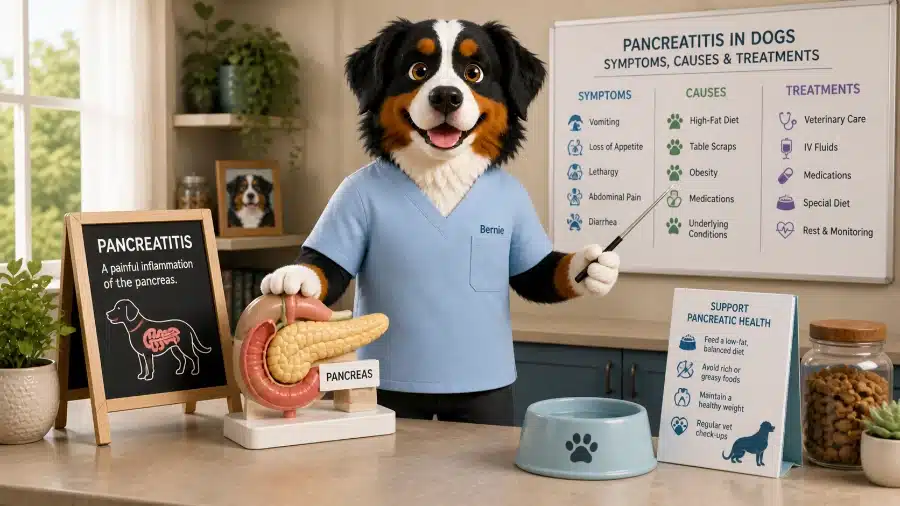 |
Pancreatitis in Dogs – Symptoms, Causes & Treatments | https://www.bernies.com/blogs/bernies-blog/pancreatitis-in-dogs-symptoms-causes-treatments/ |