
Cardiovascular & Blood



Overview
Cardiovascular & Blood Health in Dogs
The cardiovascular and blood systems are essential to keeping a dog’s body functioning. Together, they circulate oxygen, nutrients, hormones, and immune cells to tissues throughout the body, while also helping to remove waste products and regulate body temperature, blood pressure, and hydration. These systems are central to every aspect of a dog’s health—from daily energy levels to long-term organ function.
When either system is disrupted, it can affect not only the heart and blood vessels but also the kidneys, lungs, brain, and immune system. Understanding how the cardiovascular and blood systems work provides a foundation for recognizing and supporting many common health conditions in dogs.
What Is the Cardiovascular System?
The cardiovascular system includes the heart and a network of blood vessels—arteries, veins, and capillaries—that work together to maintain constant circulation. The system’s primary function is to move oxygenated blood from the lungs to the body and return deoxygenated blood back to the lungs for reoxygenation. This closed-loop cycle is continuous and precisely regulated.
The Heart: Structure and Function
The canine heart is a four-chambered, muscular organ located in the chest, between the lungs and slightly to the left of center. The dog’s heart has a four-chambered structure, made up of two atria (upper chambers) and two ventricles (lower chambers). This setup is similar to the human heart, though the size, rate, and workload of a dog’s heart are adapted to its species and activity level. Each side of the heart has a distinct role:
- The right side receives blood that has circulated through the body and sends it to the lungs, where carbon dioxide is exchanged for oxygen.
- The left side receives oxygen-rich blood from the lungs and pumps it out to the rest of the body through the aorta.
A specialized electrical conduction system coordinates each heartbeat. The rate and strength of contraction adjust in response to signals from the nervous and endocrine systems, allowing the heart to adapt to changes in activity, emotion, body temperature, and oxygen demand.
In dogs, heart rate varies by size, age, and fitness level:
- Small dogs and puppies typically have faster heart rates (100–160 beats per minute).
- Larger adult dogs often rest between 60–100 bpm.
- Athletic breeds may fall below 60 bpm when relaxed, which may be normal in a conditioned dog.
The Blood Vessels: Arteries, Veins, and Capillaries
Blood vessels form the channels through which blood circulates:
- Arteries carry oxygen-rich blood away from the heart at high pressure.
- Veins return deoxygenated blood back to the heart.
- Capillaries are microscopic vessels where gases, nutrients, and waste products are exchanged between blood and surrounding tissues.
The elasticity and tone of blood vessel walls help regulate blood pressure, distribute body heat, and control fluid balance across tissues.
What Is Blood and What Does It Do?
Blood is a specialized connective tissue made of cellular elements suspended in plasma. It serves as a delivery system, immune defense, clotting agent, and messenger.
Major Components of Canine Blood:
- Red blood cells (erythrocytes) transport oxygen from the lungs to cells and return carbon dioxide for exhalation.
- White blood cells (leukocytes) help detect, target, and eliminate pathogens.
- Platelets (thrombocytes) initiate clotting at the site of vessel injury, limiting blood loss.
- Plasma, the fluid portion, carries proteins (like albumin and clotting factors), nutrients, hormones, antibodies, and waste products.
Maintaining balance among these elements is essential. For example, low red cell counts can lead to anemia and reduced oxygen delivery. Abnormal platelet function can increase bleeding risk or trigger unwanted clots. Inflammatory or autoimmune activity may alter white blood cell counts or impair immune precision.
Why Cardiovascular and Blood Health Matter for Dogs
Because blood delivers resources and removes waste from every cell, these systems are central to a dog’s overall vitality. Their functions support:
- Oxygen and nutrient delivery to the brain, muscles, and vital organs
- Waste filtration by the kidneys and liver
- Tissue repair and regeneration, through clotting and nutrient access
- Temperature regulation, via blood flow adjustments
- Hormone transport and immune system signaling
Even subtle disruptions—such as mild heart murmurs, early-stage anemia, or vascular inflammation—can influence energy levels, healing capacity, appetite, and more. Chronic or severe dysfunction may result in congestive heart failure, thromboembolic events, or systemic illness.
Common Signs of Heart or Blood Problems in Dogs
Depending on the cause, signs can be subtle or sudden. Pet parents may notice:
- Decreased stamina or exercise intolerance
- Coughing (often worse at night or after activity)
- Pale gums or tongue
- Fast or irregular heartbeat
- Labored breathing or fluid buildup (in abdomen or limbs)
- Unexplained bruising or prolonged bleeding
- Weakness, lethargy, or collapse
These signs may suggest heart disease, anemia, clotting disorders, or other systemic issues and should always be evaluated by a veterinarian.
How Vets Assess Cardiovascular and Blood Health
Veterinarians use a combination of physical exams and diagnostic tests to evaluate heart and blood function:
- Auscultation (listening to the heart and lungs with a stethoscope)
- Blood pressure measurement
- Echocardiogram (ultrasound of the heart to visualize chambers, valves, and motion)
- Chest radiographs (X-rays) to detect heart enlargement or fluid buildup
- Electrocardiogram (ECG) to evaluate heart rhythm
- Blood tests, including:
- CBC (complete blood count) to assess red cells, white cells, and platelets
- Chemistry panels to check organ function
- Coagulation profiles
- Cardiac biomarkers like NT-proBNP in dogs suspected of heart failure
Factors That Can Affect Cardiovascular and Blood Health in Dogs
Several internal and external factors influence the health of the heart and blood system:
- Breed predisposition (e.g., Cavalier King Charles Spaniels and mitral valve disease; Dobermans and dilated cardiomyopathy)
- Age-related degeneration of heart valves or blood vessels
- Infections, such as tick-borne diseases or heartworm, which may damage the heart or blood cells
- Toxin exposure that can affect clotting or oxygen transport
- Nutritional deficiencies, such as iron or vitamin B12, that may contribute to anemia
- Chronic diseases like kidney disease or cancer that may impact blood pressure, clotting, or blood cell production
Support and Prevention Strategies
Long-term heart and blood health is supported by a combination of medical care, nutrition, and lifestyle:
- Weight management helps reduce strain on the heart and lungs.
- Regular exercise, tailored to the dog’s condition, supports cardiovascular fitness.
- Dental hygiene may reduce systemic inflammation that affects the heart.
- Heartworm prevention is essential for dogs in endemic areas.
- Balanced nutrition, including adequate protein, B vitamins, and omega-3 fatty acids, supports blood cell production and vascular integrity.
- Monitoring in at-risk dogs, especially seniors or those with known murmurs, can allow for early intervention.

Health Conditions
 Health conditions related to Cardiovascular & Blood
| Image & Title | At a Glance |
|---|

Therapeutic Interventions
Therapeutic Interventions of Cardiovascular & Blood


Lifestyle Strategies
Lifestyle Strategies of Cardiovascular & Blood



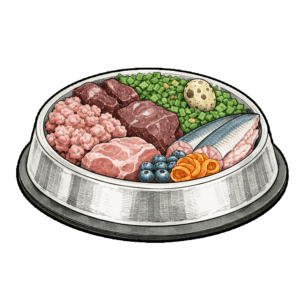


Foods
Food sources of Cardiovascular & Blood

Food Components
Ingredient sources of Cardiovascular & Blood

Food Component Groups
Ingredient sources group of Cardiovascular & Blood

Nutrients
Nutrients Found in Cardiovascular & Blood

Nutrient Types
Nutrient Types of Cardiovascular & Blood

Nutrient Sub-Types
Nutrient Sub-Types of Cardiovascular & Blood

Follow the Research
Studies providing deeper insight into Cardiovascular & Blood
| Title | Information |
|---|---|
| Incidence, complications and therapeutic evaluation of clinical hypothyroidism in different breeds of dogs | At a Glance This 2025 clinical study published in BMC Veterinary Research investigated how often hypothyroidism is the underlying cause in dogs presenting with common concerns like hair loss or obesity. The researchers aimed to clarify whether these everyday clinical signs are frequently linked to thyroid dysfunction, how the condition progresses when unrecognized, and how dogs respond to treatment. The findings show that hypothyroidism is not uncommon in these cases and can affect multiple body systems when it advances. Connecting the Dots |
| Potential Adverse Effects of Omega-3 Fatty Acids in Dogs and Cats | At a Glance This 2013 review looks at the possible risks of omega-3 fatty acids in dogs and cats, especially EPA and DHA from fish oil. While omega-3s are commonly used to support skin, joint, heart, and kidney health, the authors explain that high amounts can sometimes cause issues like GI upset, changes in clotting, oxidative stress, immune shifts, or slower wound healing. The paper also stresses that plant-based ALA is not the same as EPA and DHA, so the source of omega-3s matters when considering both benefits and risks. Connecting the Dots |
| Regulation of bone remodeling by vitamin K2 | At a Glance This article, published in Oral Diseases in 2017, reviews how Vitamin K2 regulates bone remodeling, the process of breaking down and rebuilding bone tissue. The findings suggest that Vitamin K2 supports bone density, reduces fracture risk, and may help prevent osteoporosis, especially when combined with Vitamin D3. The research primarily examines human, rat, and mouse models to understand Vitamin K2’s role in skeletal health. Connecting the Dots |
| Roles of plant-based ingredients and phytonutrients in canine nutrition and health | At a Glance The 2021 review article by Tanprasertsuk et al. synthesizes existing research to provide a clear picture of how natural compounds found in fruits, vegetables, and herbs—like carotenoids, polyphenols, and phytosterols—may support dogs' overall well-being. Connecting the Dots |
| The Effects of Omega-3 Supplementation on the Omega-3 Index and Quality of Life and Pain Scores in Dogs | At a Glance A 16-week clinical study in 29 pet dogs found that daily omega-3 supplementation from anchovy and sardine oils significantly increased the Omega-3 Index in all size groups and reduced owner-reported pain in small and medium dogs. Large dogs did not show the same pain improvement, likely because fixed-size capsules delivered a lower mg/kg dose. No adverse effects were reported. Connecting the Dots |
| The relationship between vitamin K and osteoarthritis: A review of current evidence | At a Glance This 2020 review examines the relationship between Vitamin K status and osteoarthritis (OA), focusing on how Vitamin K influences cartilage calcification, inflammation, and joint degeneration. The findings suggest that sufficient Vitamin K levels may help slow OA progression by regulating proteins that prevent abnormal calcium buildup in joints. While the study focuses on human OA research, it may have implications for canine joint health and mobility. Connecting the Dots |
| The vital roles of boron in animal health and production: A comprehensive review. | At a Glance This 2018 review, published in the Journal of Trace Elements in Medicine and Biology, examined how boron influences bone strength, mineral metabolism, immune balance, and inflammation across multiple animal species. While dogs were not directly studied, the findings suggest boron may play a similar role in supporting canine joint health and overall resilience, though more research is needed to confirm its effects. Connecting the Dots |
| Veterinary applications of pulsed electromagnetic field therapy | At a Glance This 2018 review explains how pulsed electromagnetic field (PEMF) therapy delivers carefully timed bursts of electromagnetic energy to stimulate tissue repair. Evidence supports its use in bone healing, osteoarthritis, wound healing, and post-operative pain and swelling. The paper emphasizes that different PEMF devices vary widely in waveform design, which determines whether they efficiently trigger biological cascades such as nitric oxide signaling. Veterinary studies are promising, but more controlled trials are needed to guide routine use. Connecting the Dots |
| Vitamin K2 in animal health: An overview | At a Glance This 2016 review article surveyed what was known about vitamin K2 across species. The authors explain how K2 activates proteins that regulate bone and cartilage health, blood clotting, inflammation, kidney function, and vascular calcification. They also highlight a gap in companion animal nutrition: most commercial pet foods use synthetic K3 (menadione), which does not provide the same benefits as natural K2. The paper underscores the need for targeted research to understand whether dogs and cats could gain broader health advantages from true K2. Connecting the Dots |

Dig Deeper
Q/A's related to Cardiovascular & Blood

Blog Articles
Articles related to Cardiovascular & Blood
| Featured Image Link | Blog Title | Blog_URL_Link |
|---|---|---|
 |
Dog High Blood Pressure: Is that A Thing? | https://www.bernies.com/dog-high-blood-pressure-is-that-a-thing/ |
 |
The Link between Oral Health and Heart Disease in Dogs | https://www.bernies.com/blogs/bernies-blog/the-link-between-oral-health-and-heart-disease-in-dogs/ |