
Food Types

The Food Types category refines Food Metas into specific subcategories based on the biological characteristics and functional roles of ingredients. Examples include fish, birds, and mammals under Animals, or roots, seeds, and resins under Plants. Food Types help classify ingredients by their form, origin, and common applications in dog nutrition, allowing for a detailed understanding of how these ingredients contribute to dietary diversity and functionality.

| search_title | Featured Image | Information |
|---|---|---|
| Yeasts | 
Yeasts |
Yeasts Yeast is a single-celled fungus that ferments sugars for energy, producing beneficial compounds in the process. In dog nutrition, yeast provides B vitamins, amino acids, and antioxidants that support skin, coat, and immune health. Certain yeast strains are also used as probiotics to promote a balanced gut microbiome and aid digestion. |
| Fish | 
Fish |
Fish Fish are aquatic, gill-bearing animals that live in fresh or salt water and serve as a rich natural source of protein, omega-3 fatty acids, and essential minerals for dogs. In canine nutrition, fish typically refers to edible marine or freshwater species used whole, as fillets, or as processed meals and oils. The type of fish, its size, and its place in the ocean food chain influence its nutritional value, safety, and sustainability. When responsibly sourced, fish offers dogs a highly digestible protein and a sustainable way to support skin, joint, brain, and heart health. |
| Shellfish | 
Shellfish |
Shellfish Shellfish are nutrient-rich marine animals, including mussels, clams, and other species with hard outer shells, providing high-quality protein and essential fats. |
| Seeds/ Nuts | 
Seeds/ Nuts |
Seeds/ Nuts Seeds and nuts are nutrient-dense, plant-derived food sources high in healthy fats, proteins, and vitamins such as vitamin E and magnesium. |
| Fruits | 
Fruits |
Fruits Fruits are the seed-bearing structures of plants and are a common source of fiber, water, and phytonutrients in many animal diets. Dogs can safely eat many fruits, although these foods are not a primary nutritional foundation the way animal proteins and fats are. Instead, fruits contribute plant compounds, gentle fibers, and micronutrients that can complement a balanced diet when used in appropriate amounts. |
| Green/ Woody Part | 
Green/ Woody Part |
Green/ Woody Part Green/ woody parts of plants include leaves, stems, and grasses, which are fibrous. |
| Resin | 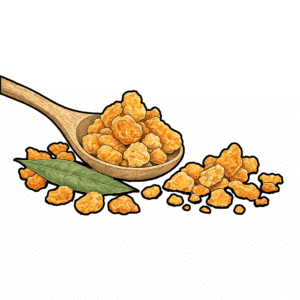 Resin |
Resin Resins are naturally occurring plant exudates with bioactive compounds that serve various roles, particularly in medicinal and aromatic uses. |
| Mushrooms | 
Mushrooms |
Mushrooms Mushrooms are the fruiting bodies of certain fungi, valued in nutrition for their bioactive compounds, including beta-glucans and antioxidants. They are commonly used as supplements for their immune-boosting and anti-inflammatory properties. |
| Mammals | 
Mammals |
Mammals Mammals are warm-blooded animals that nourish their young with milk and store nutrients within tissues such as muscle, organs, fat, connective tissue, skin, and bone. In canine nutrition, mammalian ingredients extend far beyond meat alone. Beef, lamb, pork, goat, rabbit, venison, are common protein options. Additionally, dairy products, connective tissues, bones, marrow, and collagen-rich chews all provide different benefits. The nutritional value of mammalian ingredients depends not only on the species itself, but also on tissue selection, sourcing, freshness, and processing methods. |
| Poultry | 
Poultry |
Poultry Poultry for dogs includes edible birds and bird-derived foods such as chicken, turkey, duck, goose, quail, pheasant, organs, fats, and eggs. Birds occupy an important place in natural food webs, and wild canids may eat birds, nestlings, eggs, or avian carrion when those foods are available. Poultry can provide complete protein, energy, essential fatty acids, vitamins, and minerals, but its nutritional value changes with the species, body part, diet, living conditions, and processing method. |
| Root/ Rhizome | 
Root/ Rhizome |
Root/ Rhizome Roots and rhizomes are underground plant structures that store nutrients like carbohydrates and fiber. Common examples include sweet potatoes, turmeric, and ginger. They are used in nutrition for their role in providing energy, supporting digestion, and offering compounds with antioxidant or anti-inflammatory benefits. |
| Seaweed | 
Seaweed |
Seaweed Seaweeds are large, multicellular marine algae used in dog nutrition primarily as sources of minerals and other naturally occurring marine compounds. |
| Microalgae | 
Microalgae |
Microalgae Microalgae are microscopic marine organisms that produce the foundational compounds of ocean ecosystems and are used in dog foods and supplements as controlled sources of marine-derived ingredients. |