
General Health Topics

General Health Topics encompass broad areas of canine health that serve as foundational groupings within Bernie’s University. These major topics organize related health conditions, therapeutic interventions, and lifestyle strategies to provide a comprehensive understanding of specific aspects of a dog’s health. By exploring these areas of interest, pet parents can gain insights into underlying mechanisms, preventative care, and holistic approaches to improving their dog’s overall well-being.

| search_title | Featured Image | Information |
|---|---|---|
| Respiratory System |  Respiratory System |
Respiratory System Respiratory health in dogs involves how air moves into the lungs, how oxygen enters the bloodstream, and how carbon dioxide is removed from the body. This system supports every cell by delivering oxygen needed for energy production. When functioning well, breathing is quiet, steady, and effortless. When disrupted, dogs may show coughing, labored breathing, reduced stamina, or conditions like kennel cough, pneumonia, or airway obstruction. |
| Parasites | Parasites |
Parasites Parasites are organisms that live on or inside a dog, relying on them for survival while often causing harm. Internal parasites infect the digestive tract, bloodstream, or organs, leading to issues like malnutrition, anemia, and systemic disease. External parasites live on the skin or in the ears, causing irritation and potentially spreading infections. Many parasites are transmitted through contaminated food, water, insect bites, or direct contact with infected animals. Preventative care, routine screenings, and targeted treatments are key to protecting a dog’s health. |
| Infectious Diseases | 
Infectious Diseases |
Infectious Diseases Infectious diseases in dogs are caused by bacteria, viruses, fungi, or parasites and can spread through direct contact, contaminated surfaces, insect vectors, or bodily fluids. Some infections, like kennel cough, cause mild symptoms, while others, such as rabies and parvovirus, can be fatal. Preventive strategies like thoughtful vaccination, parasite control, and good hygiene are essential for reducing infection risk and protecting overall health. |
| Cancer & Tumors | 
Cancer & Tumors |
Cancer & Tumors Cancer and tumors occur when normal controls on cell growth and repair fail, allowing abnormal cells to multiply and survive. Some tumors form localized masses that are benign, while malignant tumors are cancers that can invade and spread. Not all cancers create a discrete lump; blood and lymphoid cancers can involve bone marrow, blood, or lymph nodes without a single solid mass. |
| Urinary & Reproductive | 
Urinary & Reproductive |
Urinary & Reproductive Urinary and reproductive health in dogs centers on two closely connected systems that regulate waste removal, fluid balance, hormone signaling, and sexual function. The urinary tract helps the body filter the blood, conserve what it needs, and eliminate what it does not. The reproductive system produces hormones and supports breeding-related anatomy, but those same hormones also influence tissues far beyond reproduction itself. When this broader network becomes imbalanced, dogs may show changes in urination, comfort, tissue integrity, hormone-driven behavior, or cycle-related patterns. |
| Cardiovascular & Blood | 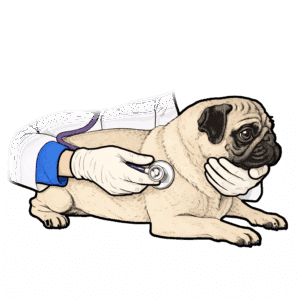 Cardiovascular & Blood |
Cardiovascular & Blood The cardiovascular system includes the heart and blood vessels, which transport oxygen and nutrients throughout the body. Blood health is equally important, as it carries immune cells, regulates clotting, and removes waste. Conditions like heart disease, anemia, or blood clotting disorders can severely impact a dog’s energy, endurance, and longevity. |
| Neurological & Cognitive | 
Neurological & Cognitive |
Neurological & Cognitive Neurological and cognitive health in dogs refers to how the brain, spinal cord, and nervous system process information, control movement, and regulate behavior. This system shapes everything from memory and learning to coordination and emotional response. When function is balanced, dogs remain alert, responsive, and adaptable. When disruption occurs, changes often show up as disorientation, altered behavior, slowed learning, or loss of coordination. |
| Endocrine & Metabolic | Endocrine & Metabolic |
Endocrine & Metabolic The endocrine and metabolic systems regulate how a dog’s body produces energy, maintains tissues, and responds to changing internal conditions. The endocrine system is made up of hormone-producing glands such as the thyroid, pancreas, adrenal glands, and pituitary. These glands release chemical signals that travel through the bloodstream and instruct cells how quickly to use energy, store nutrients, and repair tissues. Because hormones influence nearly every organ, disruptions in endocrine signaling often appear as patterns of changes across the body, affecting energy levels, body weight, skin and coat health, digestion, immune function, and stress responses. |
| Digestion & Gastrointestinal | 
Digestion & Gastrointestinal |
Digestion & Gastrointestinal The digestive and gastrointestinal systems break down food, absorb nutrients, and eliminate waste. When disrupted by inflammation, infection, or food sensitivities, they can cause discomfort, nutrient deficiencies, and broader health issues. Healthy digestion is essential to a dog’s overall well-being. |
| Joint & Musculoskeletal | 
Joint & Musculoskeletal |
Joint & Musculoskeletal The joint and musculoskeletal system provides the strength, stability, and mobility that dogs rely on for everything from running and jumping to maintaining posture and balance. This system includes bones, joints, muscles, tendons, and ligaments, all working together to support movement. Over time, wear, injuries, or genetic conditions can lead to pain, stiffness, or reduced mobility, impacting a dog’s quality of life. Proactive care, therapeutic interventions, and lifestyle strategies can help support musculoskeletal health and keep dogs moving comfortably as they age. |
| Inflammation | 
Inflammation |
Inflammation Inflammation is the body's biological response to harmful stimuli such as injury, infection, or toxins. It involves immune cells, blood vessels, and molecular signals working to repair tissue and defend against threats. In dogs, while acute inflammation is beneficial for healing, chronic inflammation can contribute to diseases like osteoarthritis, allergies, and cardiovascular issues, causing ongoing damage to tissues and organs. |
| Skin & Coat | 
Skin & Coat |
Skin & Coat A dog’s skin and coat are vital to its overall health, providing protection, temperature regulation, and sensory functions. Healthy skin and a shiny coat are often signs of proper nutrition and care. Issues such as dryness, itching, or excessive shedding may indicate underlying health problems like allergies or infections. Maintaining good skin and coat health is key to a dog’s comfort and well-being, making it an important aspect of overall care. |
| Immune System | 
Immune System |
Immune System The immune system is a complex, body-wide network that protects dogs from infections, helps resolve injury, and monitors for internal abnormalities. It also plays a role in regulating inflammation and maintaining tolerance to non-harmful exposures such as food proteins or pollen. A well-regulated immune system allows dogs to recover from illness efficiently and respond appropriately to everyday challenges without damaging healthy tissue. |
| Liver & Kidneys | 
Liver & Kidneys |
Liver & Kidneys The liver and kidneys are essential for detoxification, waste elimination, and metabolic regulation in dogs. The liver processes nutrients, breaks down toxins, and supports digestion, while the kidneys filter waste from the blood and regulate hydration. Disease or dysfunction in these organs can lead to toxin buildup, metabolic imbalances, and serious health complications. |
| Ears & Hearing | 
Ears & Hearing |
Ears & Hearing A dog’s ears collect sound, amplify it, and convert it into nerve signals the brain interprets as hearing. The same inner ear structures that support hearing also help control balance and spatial orientation. |
| Eyes & Vision | 
Eyes & Vision |
Eyes & Vision A dog’s eyes are finely tuned for motion, contrast, and low-light vision, helping them interpret their surroundings quickly and confidently. Their visual system favors sensitivity and field of view over detailed color perception, making them excellent at detecting movement even when light is limited. |