
Unsaturated Fats


Overview
What Does “Unsaturated” Fat Mean?
The term unsaturated refers to fatty acids that have one or more double bonds between carbon atoms in their structure. These double bonds create “kinks” in the fatty acid chain, preventing the molecules from packing tightly together. This molecular feature keeps unsaturated fats liquid at room temperature, distinguishing them from saturated fats, which lack double bonds and remain solid at room temperature.
Types of Unsaturated Fats:
Unsaturated fats are further categorized based on the number of double bonds they contain:
- Monounsaturated Fats (MUFA):
- Contain a single double bond in their fatty acid chain.
- Found in foods such as olive oil, avocados, and some nuts.
- Known to support heart health, maintain healthy cholesterol levels, and reduce inflammation.
- They can serve as a beneficial source of energy while promoting healthy skin and coat in dogs.
- Polyunsaturated Fats (PUFA):
- Contain two or more double bonds in their fatty acid chains, making them more prone to oxidation (rancidity).
- Include essential fatty acids (EFAs) such as omega-3 and omega-6, which play vital roles in a dog’s overall health.
- Omega-3 fatty acids (like EPA and DHA) are known for their anti-inflammatory properties, supporting brain function, skin health, and joint mobility.
- Omega-6 fatty acids are crucial for skin integrity, cell membrane health, and immune system support, though they need to be balanced with omega-3s to prevent excess inflammation.
Fatty Acids: The Building Blocks of Fats
Fats, including both saturated and unsaturated varieties, are composed of smaller molecules called fatty acids. In canine nutrition, certain unsaturated fatty acids are categorized as essential fatty acids (EFAs) because the body cannot synthesize them on its own—they must come from the diet.
The two most important unsaturated EFAs for dogs are:
- Omega-3 Fatty Acids:
- Found in sources such as fish oil, flaxseed, and algae.
- Support cognitive function, anti-inflammatory responses, and cardiovascular health.
- Help alleviate conditions like arthritis and allergic skin diseases.
- Omega-6 Fatty Acids:
- Found in poultry, sunflower oil, and certain seeds.
- Play a critical role in skin health, cell membrane integrity, and immune function.
- While beneficial, omega-6 fatty acids must be balanced with omega-3s to prevent excessive inflammation, as an overabundance of omega-6 without adequate omega-3s can contribute to inflammatory conditions.
Balancing Omega-3 and Omega-6 Ratios
One of the most critical aspects of incorporating unsaturated fats into a dog’s diet is maintaining a healthy balance between omega-3 and omega-6 fatty acids. While both are essential, the modern dog diet often contains excessive omega-6s (from ingredients like corn and soybean oils) and insufficient omega-3s. This imbalance can lead to chronic inflammation over time.
Key Benefits of Unsaturated Fats for Dogs
- Skin and Coat Health:
- Unsaturated fats are particularly effective in maintaining a dog’s skin barrier and promoting a shiny, soft coat.
- Essential fatty acids (particularly omega-6) prevent dryness and flakiness while omega-3s reduce skin inflammation.
- Joint and Mobility Support:
- Omega-3 fatty acids, such as EPA and DHA, are known for their anti-inflammatory properties, making them particularly beneficial for dogs with arthritis or joint pain.
- Cognitive Function:
- DHA, an omega-3 fatty acid, supports brain development in puppies and cognitive health in senior dogs, improving learning and memory.
- Immune System Regulation:
- Omega-3 and omega-6 fatty acids help modulate the immune response, ensuring it is effective without being overly reactive (e.g., in cases of allergies).
- Cardiovascular Health:
- Monounsaturated fats help regulate cholesterol levels, promoting a healthy heart and circulation.


Nutrient Sub-Types
 Nutrient Sub-Types of Unsaturated Fats
| Image & Title | At a Glance |
|---|---|
|
Omega-3 fatty acids are healthy fats that dogs can’t make on their own and must get through food or supplements. They keep cells flexible and functioning properly, which supports healthy skin, a shiny coat, and strong heart, joint, and brain health. Omega-3s also help control inflammation, allowing the body to recover efficiently and maintain overall comfort and resilience. |

|
Omega-6 fatty acids are essential polyunsaturated fats that support immune function, skin health, and cell growth. While necessary for overall well-being, they need to be balanced with omega-3 fatty acids, as excess omega-6 relative to omega-3 can contribute to inflammation in dogs. |

Foods
Food sources of Unsaturated Fats
| Image & Title | At a Glance |
|---|---|
|
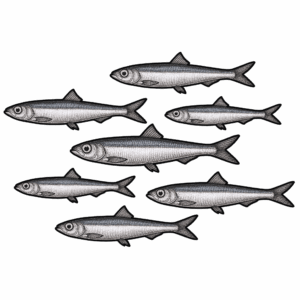
Anchovies are small, oily saltwater fish that are highly bioavailable and naturally low in contaminants due to their short lifespan and plankton-based diet. For dogs, they offer a clean, sustainable source of protein and omega-3 fatty acids. |

|
Pollock is a fish with two main species: Alaskan pollock, also known as walleye pollock, which is found in the North Pacific, and Atlantic pollock from the North Atlantic. Alaskan pollock is more commonly used due to its abundance, high protein content, and sustainable fishing practices that prioritize environmental stewardship. |
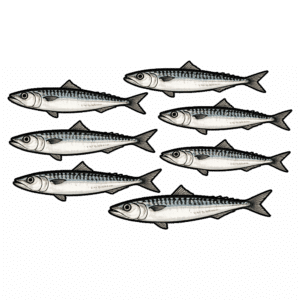 Sardines Sardines |
Sardines are small, oily fish that serve as a source of omega-3 fatty acids (EPA and DHA), protein, and naturally occurring minerals such as calcium, selenium, and vitamin D. Because they feed on plankton and are often consumed whole (including their bones and skin) they provide dogs with marine-derived nutrients that support normal metabolism, joint function, and skin health. Their low position in the ocean food web means sardines typically contain fewer contaminants than larger fish. |

Food Components
Ingredient sources of Unsaturated Fats
| Image & Title | At a Glance |
|---|---|

|
Anchovy oil is a fish oil derived from anchovies, small ocean fish low on the food chain. This positioning makes them a cleaner source of omega-3 fatty acids, as they accumulate fewer toxins compared to larger fish, while still providing high levels of EPA and DHA for joint, cardiovascular, and skin health. |

|
Pollock oil is a fish oil primarily sourced from wild Alaskan pollock (Gadus chalcogrammus), known for its sustainability and rich omega-3 content, particularly EPA and DHA. It is considered a cleaner alternative to oils from larger fish, such as tuna and mackerel. |

Nutrients
Nutrients Found in Unsaturated Fats
| Image & Title | At a Glance |
|---|---|

|
Eicosapentaenoic acid (EPA) is a long-chain omega-3 fatty acid found mainly in marine foods such as sardines, anchovies, salmon, and fish oil. In dogs, EPA helps shape inflammatory signaling, immune activity, and tissue repair by becoming part of the fatty acid pathways the body uses to manage stress and recovery. It is commonly discussed for joint comfort, skin health, digestive balance, and healthy aging because inflammation touches many systems throughout the body. |

|
DHA (Docosahexaenoic Acid) is a long-chain omega-3 fatty acid essential for maintaining cell membrane structure, particularly in the brain and eyes. It also plays a key role in supporting cognitive function and reducing inflammation at the cellular level. |
|
Alpha-linolenic acid (ALA) is an omega-3 fatty acid found primarily in plant foods such as flaxseed, chia seed, hemp seed, and certain vegetable oils. It belongs to the same family of fats as EPA and DHA, but serves a different role in canine nutrition. Dogs can convert some ALA into EPA and DHA, though the process is relatively inefficient. As a result, ALA is best understood as a plant-derived omega-3 rather than a major direct source of the long-chain omega-3s most commonly associated with canine health. |

General Health Topics
Health Topics related to Unsaturated Fats

Health Conditions
Health conditions related to Unsaturated Fats

Follow the Research
Studies providing deeper insight into Unsaturated Fats
| Title | Information |
|---|

Dig Deeper
Q/A's related to Unsaturated Fats
| Title | URL | At a Glance |
|---|---|---|
| What are eicosanoids and what do they do? | https://www.bernies.com/university/dig-deeper/what-are-eicosanoids-and-what-do-they-do/ | Eicosanoids are short-lived signaling molecules made from fats, especially omega-6 and omega-3 fatty acids. They help regulate inflammation, immune response, blood flow, pain, and healing. Unlike hormones that act throughout the body, eicosanoids are produced on demand and act locally, right where they’re made. The type of fat they come from affects their role—omega-6 fats usually lead to more inflammatory eicosanoids, while omega-3 fats like EPA tend to produce anti-inflammatory ones. This balance plays a key role in how the body responds to stress, injury, or infection. |
| What’s the difference between EPA, DHA, and ALA? | https://www.bernies.com/university/dig-deeper/whats-the-difference-between-the-three-main-omega-3s-epa-dha-and-ala/ | EPA (eicosapentaenoic acid) and DHA (docosahexaenoic acid) come from fish or algae and are directly absorbed by dogs to support inflammation, cognition, and cellular health. ALA (alpha-linolenic acid), from seeds like flax or chia, is a plant-based omega-3 that dogs can convert into EPA or DHA, but not very efficiently. The main difference is that EPA and DHA are already in the form dogs need, while ALA plays a more limited role unless paired with other sources. |

Blog Articles
Articles related to Unsaturated Fats
| Featured Image Link | Blog Title | Blog_URL_Link |
|---|