
Cushing’s Disease (Hyperadrenocorticism)



Overview
Cushing’s Disease In Dogs: Understanding Hyperadrenocorticism
Cushing’s Disease in dogs happens when the body has too much cortisol activity for too long. Cortisol is a hormone, which means it is a chemical messenger that tells tissues how to behave. It is made by the adrenal glands, two small glands that sit near the kidneys.
In a healthy dog, cortisol is essential. It helps the body respond to stress, illness, fasting, exercise, injury, and other physical demands. It also helps move stored energy into the bloodstream, influences blood pressure, and keeps immune and inflammatory responses from becoming excessive.
The problem with Cushing’s Disease is not cortisol itself. Dogs need cortisol to survive. The problem is prolonged exposure. When cortisol remains high beyond what the body needs, it begins to reshape normal metabolism, hydration, immune function, skin repair, muscle maintenance, and fat storage.
The term hyperadrenocorticism breaks down into its parts:
- Hyper means “too much”
- Adreno refers to the adrenal glands
- Corticism refers to hormones made by the adrenal cortex, the outer layer of the adrenal glands
In most dogs with hyperadrenocorticism, the hormone causing the problem is cortisol.
How Cushing’s Disease Usually Presents In Dogs
Cushing’s Disease often develops slowly. Many pet parents first notice that their dog is drinking more water, urinating more often, or waking up at night to go outside. Some dogs begin having accidents in the house after years of normal habits.
Appetite often increases as well. A dog may start begging more intensely, stealing food, searching counters, or acting unusually frantic around meals. This happens because cortisol changes how the body reads energy demand. The dog may be eating enough, but the internal signal still pushes the body to seek and mobilize more fuel.
Common signs of Cushing’s Disease in dogs include:
- Increased thirst
- Increased urination
- Increased hunger
- Panting, even at rest
- A rounded or pot-bellied abdomen
- Muscle loss, especially over the spine, hips, shoulders, or back legs
- Thin or fragile skin
- Hair loss or poor coat regrowth
- Darkened skin or recurring skin irritation
- Recurrent urinary tract issues
- Lower stamina or reduced strength
Not every dog shows every sign. Some dogs have mild changes for months before the pattern becomes clear. Others are diagnosed after a more obvious shift in thirst, urination, appetite, skin health, or body shape.
Why Dogs With Cushing’s Drink And Urinate More
Increased thirst and urination are among the most recognizable signs of Cushing’s Disease. This happens because cortisol affects how the body regulates water.
The kidneys help decide how much water stays in the body and how much leaves through urine. Under normal conditions, the body conserves water when needed and releases extra fluid when appropriate. When cortisol stays elevated, that water-conserving system can become less efficient.
The result is a cycle:
- The dog produces more urine than usual
- More water leaves the body
- Thirst increases to replace that lost fluid
- The dog drinks more and needs to urinate more often
This is why increased water intake should not be dismissed as a simple habit change, especially when it appears alongside increased appetite, panting, coat changes, or a pot-bellied shape.
Why Cushing’s Disease Changes A Dog’s Body Shape
Cushing’s Disease can change the way a dog looks because cortisol affects muscle, fat, and connective tissue. Connective tissue is the supportive material that helps give structure to skin, tendons, ligaments, blood vessels, and other tissues.
When cortisol stays high, the body may break down protein more readily. Protein is needed to maintain muscle. Over time, dogs may lose muscle along the spine, hips, shoulders, and rear legs. They may look weaker over the top of the body, even if the abdomen looks larger.
The pot-bellied appearance associated with Cushing’s can develop for several reasons:
- Abdominal muscles may weaken
- Fat distribution may shift
- The liver may enlarge as it responds to chronic metabolic signaling
- The abdominal wall may lose tone
This creates a pattern that is different from simple weight gain. A dog with Cushing’s may look thin through the muscles but rounded through the belly. That mismatch is one of the reasons body shape can become an important clue.
How Cushing’s Disease Affects Skin And Coat Health
Skin and coat changes are common because cortisol influences repair, renewal, immune activity, and hair cycling. Skin is an active organ. It replaces cells, maintains a barrier against the outside world, supports hair follicles, and responds to everyday irritation.
When cortisol remains elevated, skin may become thinner and more fragile. Hair may shed more easily or fail to regrow normally after clipping. Some dogs develop symmetrical hair loss along the trunk, while the head and legs are less affected.
Cortisol can also make the skin’s local immune defenses less efficient. This may contribute to recurring irritation, superficial skin infections, slow wound healing, or persistent changes in skin texture.
These signs do not mean the skin is the original problem. In many dogs with Cushing’s, the skin is where a deeper hormonal imbalance becomes visible.
What Causes Cushing’s Disease In Dogs?
Cushing’s Disease can develop in several ways, but the shared result is the same: the dog’s body is exposed to too much cortisol activity.
The main forms include:
- Pituitary-dependent Cushing’s Disease: The pituitary gland sends too much stimulation to the adrenal glands.
- Adrenal-dependent Cushing’s Disease: One or both adrenal glands produce too much cortisol more independently.
- Medication-induced Cushing’s Disease: Long-term exposure to corticosteroid medications creates cortisol-like effects in the body.
The pituitary gland is a small hormone-signaling gland at the base of the brain. One of its jobs is to tell the adrenal glands when to produce cortisol. In pituitary-dependent Cushing’s, that signal stays too strong, and the adrenal glands keep producing excess cortisol.
In adrenal-dependent Cushing’s, the problem begins in the adrenal tissue itself. The adrenal gland may produce cortisol without properly following the body’s normal feedback signals.
Medication-induced Cushing’s, also called iatrogenic Cushing’s, can occur when a dog receives corticosteroid medications over time. These medications can be appropriate and necessary for allergies, inflammation, immune disease, and other conditions, but they act like cortisol in the body. When exposure is high enough or long enough, the body can develop Cushing’s-like changes.
How The Brain And Adrenal Glands Normally Control Cortisol
Cortisol is controlled through a feedback system called the hypothalamic-pituitary-adrenal axis. This is the communication pathway between the brain and the adrenal glands.
At a basic level, the system works like this:
- The hypothalamus acts as a control center in the brain
- The hypothalamus signals the pituitary gland
- The pituitary gland sends a hormone signal to the adrenal glands
- The adrenal glands release cortisol
- Cortisol signals back to the brain when enough is present
That final step is called negative feedback. It works somewhat like a thermostat. When the room reaches the right temperature, the heat turns down. When cortisol reaches the right level, the brain should reduce the signal telling the adrenal glands to make more.
In Cushing’s Disease, this feedback system does not regulate cortisol properly. The adrenal glands may keep receiving too much stimulation, or abnormal adrenal tissue may keep producing cortisol even when the body is signaling for less. In medication-induced cases, cortisol-like activity comes from outside the body, which can suppress the dog’s own hormone rhythm.
Why Cushing’s Disease Can Look Like Other Problems
Cushing’s Disease can be difficult to recognize because its signs overlap with many other conditions. Increased thirst and urination can also appear with diabetes, kidney disease, urinary tract problems, liver changes, and some medications. Hair loss and skin problems can be linked to allergies, thyroid imbalance, parasites, infection, or poor coat cycling.
This overlap matters because Cushing’s Disease cannot be diagnosed from appearance alone. A dog’s symptoms may point toward cortisol imbalance, but testing is needed to confirm whether the adrenal system is actually involved.
Veterinarians may also need to sort out whether Cushing’s is the only issue or one part of a larger picture. For example, a dog with Cushing’s may also have:
- A urinary tract infection
- Skin infection or yeast overgrowth
- Arthritis or mobility decline
- Dental disease
- Diabetes or insulin resistance
- Liver enzyme changes
- Age-related muscle loss
This is why a careful diagnostic process matters. Cushing’s changes the internal environment, but other conditions can develop alongside it and may require their own support.
How Veterinarians Diagnose Cushing’s Disease In Dogs
Veterinarians usually begin by looking at the full pattern: symptoms, physical exam findings, medication history, bloodwork, urinalysis, and sometimes imaging. Routine lab work may show changes that raise suspicion, but endocrine testing is usually needed to evaluate cortisol regulation more directly.
Common diagnostic tools may include:
- Urinalysis: Helps assess urine concentration, infection risk, glucose, protein, and other urinary changes.
- Blood chemistry: Helps evaluate liver enzymes, kidney values, blood sugar, electrolytes, and broader metabolic function.
- Complete blood count: Helps assess immune cell patterns, red blood cells, and platelet levels.
- ACTH stimulation testing: Evaluates how the adrenal glands respond to a hormone signal.
- Low-dose dexamethasone suppression testing: Evaluates whether cortisol production can be properly suppressed.
- Abdominal ultrasound: May help assess adrenal gland size, liver changes, and other abdominal findings.
Cortisol testing can be more complicated than a simple high-or-low result. Stress, illness, medication use, and other diseases can affect the picture. Some dogs need more than one test, or repeated monitoring over time, before the diagnosis is clear.
The goal is to understand what type of cortisol disruption is present, how strongly it is affecting the dog, and what other body systems may need attention.
What Treatment For Cushing’s Disease Usually Involves
Treatment depends on the type of Cushing’s Disease, the severity of symptoms, the dog’s age, and the dog’s overall health. Many dogs with naturally occurring Cushing’s are treated with medication that reduces cortisol production.
The goal of treatment is not to remove cortisol completely. Cortisol is necessary for survival. The goal is to lower cortisol activity into a range the body can tolerate more safely.
Treatment may involve:
- Medication to reduce cortisol production
- Regular blood testing to monitor adrenal response
- Urinalysis to watch for urinary tract issues
- Blood pressure monitoring when appropriate
- Adjustments based on appetite, thirst, urination, energy, and side effects
- Imaging or referral care in select adrenal-dependent cases
Some dogs respond quickly once cortisol is better controlled. Thirst, urination, panting, and appetite may improve before coat and muscle changes fully recover. Skin, hair, and muscle often take longer because those tissues rebuild gradually.
Medication dosing requires care. If cortisol is pushed too low, a dog may become weak, nauseous, dull, or unable to respond normally to stress. If cortisol remains too high, signs may continue. This is why monitoring is a central part of Cushing’s management.
Medication-induced Cushing’s is handled differently. In those cases, a veterinarian may adjust the corticosteroid plan gradually. Steroids should not be stopped suddenly unless a veterinarian gives specific direction, because the body may need time to restart its own cortisol production.
Why Some Dogs With Cushing’s Still Need Broader Support
Controlling cortisol is the foundation of care, but Cushing’s Disease affects more than one hormone value. Chronic cortisol exposure can place extra strain on muscle, skin, liver metabolism, immune balance, urinary tract health, blood pressure, and body composition.
Supportive care is most useful when it is tied to the systems being affected. That may include:
- Maintaining lean muscle through appropriate protein intake and gentle movement
- Monitoring body weight and abdominal changes
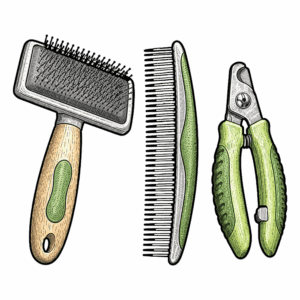
- Supporting skin barrier health through grooming, inspection, and prompt care for irritation
- Tracking water intake and urination patterns
- Watching for urinary accidents, odor, discomfort, or blood in the urine
- Keeping feeding routines consistent for dogs with increased hunger
- Avoiding unnecessary excess calories when appetite is elevated
- Adjusting activity to match strength, stamina, and joint comfort
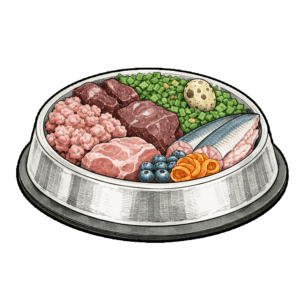
Nutrition should be individualized. Dogs with Cushing’s often need help maintaining muscle without gaining excess fat. Since hunger can be intense, meal structure and food choices may need to support satiety while still protecting body condition.
Supportive care should not replace veterinary treatment when cortisol is truly excessive. It works best as part of a broader plan that manages the endocrine disease while also caring for the tissues most affected by it.
What Long-Term Management Looks Like For Dogs With Cushing’s
Cushing’s Disease is usually a long-term condition. Many dogs require ongoing medication, periodic testing, and careful observation at home. Management is less about a one-time fix and more about keeping cortisol controlled while protecting the dog’s comfort and function.
Pet parents often become the first to notice meaningful changes. Useful home observations include:
- How much water the dog drinks
- How often the dog urinates
- Whether accidents return or improve
- Appetite intensity
- Panting at rest
- Energy and stamina
- Skin thickness, bruising, or irritation
- Coat regrowth after clipping
- Muscle condition over the spine and hips
- Belly shape and weight trends
- Any vomiting, weakness, dullness, or sudden behavior change
These observations help veterinarians understand whether treatment is working well, whether the dose may need adjustment, or whether another issue may be developing.
A dog taking medication that lowers cortisol should be evaluated promptly if they become suddenly weak, stop eating, vomit, collapse, or seem unusually dull. Those signs can indicate that the body is not tolerating the current cortisol level or that another illness is interfering with stability.
The Bigger Picture For Dogs With Cushing’s Disease
Cushing’s Disease is a condition of prolonged stress-hormone signaling. The body keeps receiving instructions to mobilize fuel, alter water balance, reduce some repair activity, and stay metabolically alert. Over time, those instructions become visible in the dog’s thirst, urination, appetite, body shape, skin, coat, strength, and stamina.
The condition becomes easier to understand when the signs are traced back to cortisol. They are not random, and they are not always just normal aging. They are connected effects of a hormone system that has lost its normal rhythm. With accurate diagnosis, careful monitoring, and steady daily support, many dogs can regain a more stable pattern even when the condition requires lifelong management.

Related Questions
What is Cushing’s disease in dogs?
Cushing’s disease in dogs is a hormonal condition in which the body is exposed to too much cortisol activity over time. It is also called hyperadrenocorticism because it involves excess hormone activity from the adrenal cortex, most often involving cortisol.
Cortisol is a normal and necessary hormone. It helps regulate metabolism, blood pressure, immune activity, inflammation, tissue repair, and the body’s response to physical demands. In Cushing’s disease, the problem is not cortisol itself, but prolonged exposure to more cortisol activity than the body needs.
Are some dog breeds more prone to Cushing’s disease?
Cushing’s disease can occur in any dog, but some breeds appear to be overrepresented. Pituitary-dependent Cushing’s is reported more often in smaller breeds, including Poodles, Dachshunds, Bichon Frises, Border Terriers, Jack Russell Terriers, Lhasa Apsos, Miniature Schnauzers, Yorkshire Terriers, and Staffordshire-type terriers.
Breed risk does not mean a dog will develop Cushing’s disease, and it does not replace diagnostic testing. It simply means the condition may deserve added awareness when a middle-aged or older dog from a predisposed breed develops signs such as increased thirst, increased urination, increased appetite, panting, a pot-bellied shape, thin skin, hair loss, or recurring skin and urinary problems.
What does hyperadrenocorticism mean?
Hyperadrenocorticism means too much hormone activity from the adrenal cortex. “Hyper” means too much, “adreno” refers to the adrenal glands, and “corticism” refers to hormones made by the adrenal cortex, the outer layer of the adrenal glands.
In dogs, hyperadrenocorticism usually refers to excess cortisol activity. This is the medical term for Cushing’s disease, a condition that can affect hydration, appetite, skin and coat health, muscle condition, fat distribution, immune function, and overall stamina.
What does cortisol do in dogs?
Cortisol is a regulatory hormone that helps coordinate many normal body functions. It supports energy metabolism, blood pressure, immune balance, inflammatory control, tissue repair, and the body’s response to illness, fasting, injury, exercise, and other physical demands.
Cortisol is sometimes called a stress hormone, but that phrase can be too narrow. Dogs need cortisol for everyday internal balance, not only during emotional stress. Cushing’s disease occurs when cortisol activity stays elevated beyond what the body needs.
Why is too much cortisol a problem for dogs?
Too much cortisol is a problem because cortisol affects many body systems at once. When cortisol activity remains high over time, it can disrupt hydration, appetite, muscle maintenance, skin repair, immune defense, fat storage, liver metabolism, and normal tissue renewal.
This is why Cushing’s disease can cause signs that seem unrelated at first, such as increased thirst, frequent urination, intense hunger, panting, muscle loss, thin skin, hair loss, recurring infections, and a pot-bellied appearance. The issue is more complicated than that idea the dog is simply “too stressed,” but that cortisol (a normal stress hormone) signaling remains excessive for too long.
What is the difference between hyperadrenocorticism and hypoadrenocorticism?
Hyperadrenocorticism means the adrenal system is producing or being exposed to too much cortisol activity, while hypoadrenocorticism means the adrenal glands are producing too little adrenal hormone activity. Hyperadrenocorticism is Cushing’s disease, and hypoadrenocorticism is Addison’s disease.
The two conditions both involve the adrenal glands, but they move in opposite directions. Cushing’s disease is associated with excess cortisol activity over time. Addison’s disease involves low cortisol and, in typical cases, low aldosterone, which can affect hydration, electrolyte balance, circulation, and the body’s ability to respond to physical stressors.
What are the early signs of Cushing’s disease in dogs?
Early signs of Cushing’s disease in dogs often include increased thirst, increased urination, increased appetite, panting, reduced stamina, or subtle changes in body shape. Some dogs begin waking at night to urinate or having accidents in the house after years of normal habits.
These signs often develop slowly, which can make them easy to mistake for normal aging. As cortisol exposure continues, additional changes may appear, such as a rounded abdomen, muscle loss, thin skin, hair thinning, poor coat regrowth, or recurring skin and urinary problems.
Why do dogs with Cushing’s disease drink and urinate more?
Dogs with Cushing’s disease often drink and urinate more because excess cortisol interferes with normal water regulation. The kidneys may become less efficient at conserving water, causing the dog to produce more urine than usual.
As more water leaves the body through urine, thirst increases to replace that fluid loss. This creates a cycle of increased urination and increased drinking, which may show up as larger water bowl intake, more frequent trips outside, nighttime urination, or indoor accidents.
Why does Cushing’s disease increase appetite in dogs?
Cushing’s disease can increase appetite because cortisol influences energy metabolism and hunger signaling. When cortisol activity stays high, the body may behave as though it needs more fuel, even when the dog is already eating enough.
This can lead to stronger begging, food-seeking, counter-surfing, stealing food, or unusually intense behavior around meals. The appetite change is part of the hormonal condition rather than simply a behavior problem.
Do dogs with Cushing’s disease pant more?
Dogs with Cushing’s disease may pant more, including at rest or in situations that would not normally cause heavy panting. Panting is a common sign associated with prolonged cortisol exposure.
The reason can vary by dog. Cortisol-related changes in metabolism, body composition, muscle strength, abdominal size, and heat tolerance may all contribute. Panting is especially meaningful when it appears with other signs such as increased thirst, increased urination, increased appetite, muscle loss, or skin and coat changes.
Why do dogs with Cushing’s disease develop a pot-bellied appearance?
Dogs with Cushing’s disease may develop a pot-bellied appearance because cortisol affects muscle, fat distribution, connective tissue, and liver metabolism. Abdominal muscles may weaken, fat may redistribute, and the liver may enlarge in response to chronic cortisol signaling.
This body shape is different from simple weight gain. A dog with Cushing’s may lose muscle over the spine, hips, shoulders, or rear legs while the abdomen becomes rounder or more pendulous.
How does Cushing’s disease affect a dog’s skin and coat?
Cushing’s disease can make a dog’s skin thinner, more fragile, slower to heal, and more prone to irritation or infection. Cortisol affects collagen, immune activity, skin barrier function, and normal tissue repair.
Coat changes are also common. Dogs may develop hair thinning, symmetrical hair loss along the trunk, poor regrowth after clipping, or a dull coat. These signs often reflect the underlying hormone imbalance rather than a problem limited to the skin surface.
Why does hair loss happen with Cushing’s disease?
Hair loss can happen with Cushing’s disease because excess cortisol disrupts normal hair cycling and skin renewal. Hair may shed more easily, grow back slowly, or fail to regrow normally after clipping.
The pattern often affects the trunk more than the head and legs. Hair loss may also occur with thin skin, darkened skin, recurring irritation, or superficial skin infections because cortisol affects both hair follicles and local skin defenses.
Can Cushing’s disease cause recurring skin or urinary problems?
Cushing’s disease can contribute to recurring skin or urinary problems because excess cortisol can reduce immune efficiency and slow normal tissue repair. Dogs with Cushing’s may be more prone to superficial skin infections, yeast overgrowth, irritation, slow wound healing, or changes in skin texture.
Urinary issues can also occur. Increased urine production may make accidents more likely, and immune changes may increase the risk of urinary tract infections. These problems may be part of the broader Cushing’s pattern, but they still need to be evaluated on their own because other conditions can occur at the same time.
What is the difference between pituitary-dependent and adrenal-dependent Cushing’s disease?
Pituitary-dependent Cushing’s disease begins with excess signaling from the pituitary gland, a hormone-signaling gland at the base of the brain. The pituitary sends too much stimulation to the adrenal glands, causing them to produce too much cortisol.
Adrenal-dependent Cushing’s disease begins in the adrenal gland itself. In this form, one or both adrenal glands produce excess cortisol more independently, without properly following the body’s normal feedback signals. Both forms lead to excess cortisol activity, but the source of the problem is different.
What is the hypothalamic-pituitary-adrenal axis?
The hypothalamic-pituitary-adrenal axis, often called the HPA axis, is the communication system between the brain and the adrenal glands. It helps regulate cortisol production so cortisol rises when needed and decreases when enough is present.
The hypothalamus signals the pituitary gland, the pituitary gland signals the adrenal glands, and the adrenal glands release cortisol. Cortisol then signals back to the brain as part of a feedback loop. In Cushing’s disease, this system does not regulate cortisol normally, so cortisol activity remains too high for too long.
Why can Cushing’s disease look like normal aging?
Cushing’s disease can look like normal aging because it often develops gradually. Lower stamina, muscle loss, panting, changes in urination, skin thinning, coat changes, and a shifting body shape may be mistaken for age-related decline at first.
The pattern becomes more concerning when several signs appear together, especially increased thirst, increased urination, increased appetite, a pot-bellied abdomen, thin skin, poor coat regrowth, recurring infections, or progressive muscle loss. These changes are not always just aging; they may reflect prolonged cortisol exposure.
What conditions can look similar to Cushing’s disease in dogs?
Several conditions can look similar to Cushing’s disease because the signs overlap with many body systems. Increased thirst and urination can also occur with diabetes, kidney disease, liver changes, urinary tract problems, and some medications.
Skin and coat changes can overlap with allergies, hypothyroidism, parasites, infections, and poor coat cycling. Muscle loss, weakness, and reduced stamina can also occur with aging, arthritis, chronic illness, or other metabolic conditions. This overlap is why Cushing’s disease cannot be diagnosed by appearance alone.
How is Cushing’s disease diagnosed in dogs?
Cushing’s disease is diagnosed by looking at the full pattern of signs, physical exam findings, medication history, bloodwork, urinalysis, and specific adrenal hormone testing. Routine lab work may raise suspicion, but cortisol regulation usually needs to be evaluated more directly.
Common diagnostic tools include ACTH stimulation testing, low-dose dexamethasone suppression testing, urinalysis, blood chemistry, complete blood count, and sometimes abdominal ultrasound. Diagnosis can be more complex than a single high cortisol result because stress, illness, medications, and other diseases can affect test interpretation.
What does an ACTH stimulation test show in Cushing’s disease?
An ACTH stimulation test shows how the adrenal glands respond to a hormone signal. ACTH normally tells the adrenal glands to release cortisol, so the test measures cortisol before and after stimulation.
In dogs with Cushing’s disease, the adrenal response may be higher than expected or otherwise consistent with abnormal cortisol regulation. The same test can also be used during treatment monitoring to help determine whether medication is reducing cortisol activity into a safer range.
How is Cushing’s disease treated in dogs?
Cushing’s disease is often treated with medication that reduces cortisol production, especially in naturally occurring cases. The goal is not to remove cortisol completely, because dogs need cortisol to survive. The goal is to lower cortisol activity into a range the body can tolerate more safely.
Treatment may also include regular blood testing, urinalysis, blood pressure monitoring, medication adjustments, and care for related problems such as urinary tract infections, skin issues, muscle loss, or changes in appetite and thirst. Medication-induced Cushing’s is handled differently and usually involves carefully adjusting corticosteroid exposure rather than stopping steroids suddenly.
Why does Cushing’s treatment require ongoing monitoring?
Cushing’s treatment requires ongoing monitoring because cortisol has to stay within a safe functional range. If cortisol remains too high, signs such as thirst, urination, hunger, panting, skin changes, and muscle loss may continue. If cortisol drops too low, a dog may become weak, dull, nauseous, unwilling to eat, or poorly able to handle illness or other physical demands.
Monitoring helps guide medication adjustments and track how the dog is responding over time. Water intake, urination, appetite, energy, panting, skin health, coat regrowth, body shape, and lab results all help show whether treatment is staying in the right range.
Can dogs with Cushing’s disease live well with management?
Dogs with Cushing’s disease can often live well with careful long-term management. Many dogs improve once cortisol activity is better controlled, especially signs such as excessive thirst, frequent urination, intense appetite, panting, and reduced comfort.
Some changes take longer to improve because skin, coat, and muscle rebuild gradually. Long-term management usually involves medication, periodic testing, home observation, and support for the body systems most affected by cortisol, including muscle condition, skin health, urinary tract health, body weight, and stamina.

General Health Topics
 Health Topics related to Cushing’s Disease (Hyperadrenocorticism)
| Image & Title | At a Glance |
|---|---|

|
Urinary and reproductive health in dogs centers on two closely connected systems that regulate waste removal, fluid balance, hormone signaling, and sexual function. The urinary tract helps the body filter the blood, conserve what it needs, and eliminate what it does not. The reproductive system produces hormones and supports breeding-related anatomy, but those same hormones also influence tissues far beyond reproduction itself. When this broader network becomes imbalanced, dogs may show changes in urination, comfort, tissue integrity, hormone-driven behavior, or cycle-related patterns. |
 Endocrine & Metabolic Endocrine & Metabolic |
The endocrine and metabolic systems regulate how a dog’s body produces energy, maintains tissues, and responds to changing internal conditions. The endocrine system is made up of hormone-producing glands such as the thyroid, pancreas, adrenal glands, and pituitary. These glands release chemical signals that travel through the bloodstream and instruct cells how quickly to use energy, store nutrients, and repair tissues. Because hormones influence nearly every organ, disruptions in endocrine signaling often appear as patterns of changes across the body, affecting energy levels, body weight, skin and coat health, digestion, immune function, and stress responses. |

|
The digestive and gastrointestinal systems break down food, absorb nutrients, and eliminate waste. When disrupted by inflammation, infection, or food sensitivities, they can cause discomfort, nutrient deficiencies, and broader health issues. Healthy digestion is essential to a dog’s overall well-being. |

|
A dog’s skin and coat are vital to its overall health, providing protection, temperature regulation, and sensory functions. Healthy skin and a shiny coat are often signs of proper nutrition and care. Issues such as dryness, itching, or excessive shedding may indicate underlying health problems like allergies or infections. Maintaining good skin and coat health is key to a dog’s comfort and well-being, making it an important aspect of overall care. |

Therapeutic Interventions
Therapeutic Interventions of Cushing’s Disease (Hyperadrenocorticism)

Lifestyle Strategies
Lifestyle Strategies of Cushing’s Disease (Hyperadrenocorticism)


Foods
Food sources of Cushing’s Disease (Hyperadrenocorticism)

Food Components
Ingredient sources of Cushing’s Disease (Hyperadrenocorticism)

Food Component Groups
Ingredient sources group of Cushing’s Disease (Hyperadrenocorticism)

Nutrients
Nutrients Found in Cushing’s Disease (Hyperadrenocorticism)

Nutrient Types
Nutrient Types of Cushing’s Disease (Hyperadrenocorticism)

Nutrient Sub-Types
Nutrient Sub-Types of Cushing’s Disease (Hyperadrenocorticism)

Follow the Research
Studies providing deeper insight into Cushing’s Disease (Hyperadrenocorticism)
| Title | Information |
|---|

Dig Deeper
Q/A's related to Cushing’s Disease (Hyperadrenocorticism)

Blog Articles
Articles related to Cushing’s Disease (Hyperadrenocorticism)
| Featured Image Link | Blog Title | Blog_URL_Link |
|---|