
Health Conditions

The Health Conditions category focuses on specific medical diagnoses and ailments that can affect a dog’s quality of life. Each condition includes detailed insights into its clinical presentation, causes, risk factors, and common symptoms. This category also explores conventional treatments, holistic strategies, and lifestyle adjustments to help pet parents manage and support their dog’s well-being. Whether addressing chronic diseases or acute issues, this section equips pet parents with the knowledge to navigate their dog’s health journey effectively.

| search_title | Featured Image | Information |
|---|---|---|
| Cruciate Ligament Injury (CCL Tear) |  Cruciate Ligament Injury (CCL Tear) |
Cruciate Ligament Injury (CCL Tear) Cruciate Ligament Injury (CCL Tear) happens when a major ligament in the knee tears, leading to joint instability and limping. It’s one of the most common orthopedic injuries in dogs, particularly in active or large breeds. |
| Patellar Luxation | 
Patellar Luxation |
Patellar Luxation Patellar luxation occurs when the kneecap slips out of its normal groove within the stifle joint. The condition is especially common in small and toy breed dogs, though it can affect dogs of any size. Many dogs show intermittent signs at first, such as skipping, hopping, or briefly carrying a rear leg, then suddenly returning to a normal gait after a few steps. While mild cases may remain relatively stable for years, repeated instability can gradually change joint mechanics, increase cartilage wear, and place abnormal strain on surrounding muscles and connective tissues. |
| Gastric Dilatation-Volvulus (GDV or "Bloat") | 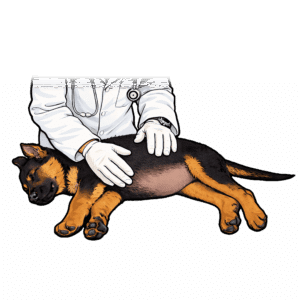 Gastric Dilatation-Volvulus (GDV or "Bloat") |
Gastric Dilatation-Volvulus (GDV or "Bloat") Gastric Dilatation-Volvulus (GDV or "Bloat") is a life-threatening emergency where the stomach fills with gas and twists, cutting off circulation. Large, deep-chested breeds are considered to be most at risk. |
| Food Allergies & Sensitivities | 
Food Allergies & Sensitivities |
Food Allergies & Sensitivities Food allergies and sensitivities are adverse reactions to ingredients in the diet, but they differ in their underlying cause. Food allergies involve an immune response and can result in symptoms like itching, ear infections, or gastrointestinal upset. Food sensitivities, by contrast, stem from poor digestion or gut imbalance and typically cause more localized, digestive symptoms. While allergies tend to be consistent and long-term, sensitivities may improve over time with digestive support. |
| Canine Atopic Dermatitis (Environmental Allergies) | 
Canine Atopic Dermatitis (Environmental Allergies) |
Canine Atopic Dermatitis (Environmental Allergies) Canine Atopic Dermatitis (Environmental Allergies) is a long-term allergic reaction to airborne triggers like pollen, dust mites, or mold, leading to chronic itching, skin infections, and ear problems. |
| Hot Spots (Acute Moist Dermatitis) | 
Hot Spots (Acute Moist Dermatitis) |
Hot Spots (Acute Moist Dermatitis) Hot spots, also called acute moist dermatitis, are painful, inflamed skin lesions that develop quickly when a dog repeatedly licks, chews, scratches, or rubs one area of skin. They are usually triggered by irritation first, then made worse by moisture, friction, bacteria, and self-trauma. A small itchy spot can become red, wet, raw, and uncomfortable within hours, especially in dogs with dense coats, allergies, ear problems, fleas, or skin folds that trap heat and moisture. |
| Hypothyroidism | 
Hypothyroidism |
Hypothyroidism Hypothyroidism in dogs occurs when the thyroid gland does not produce enough thyroid hormone, leading to a gradual slowdown of metabolic activity throughout the body. Because these hormones regulate how cells produce energy, maintain skin and hair follicles, and support muscle and organ function, low levels can affect many systems at once. Dogs may develop changes such as reduced energy, unexplained weight gain, thinning or dull coat, skin thickening, sensitivity to cold, or subtle shifts in muscle tone and facial structure. |
| Cushing’s Disease (Hyperadrenocorticism) | 
Cushing’s Disease (Hyperadrenocorticism) |
Cushing’s Disease (Hyperadrenocorticism) Cushing’s Disease, also called hyperadrenocorticism, is a hormonal condition in dogs where the body is exposed to too much cortisol over time. Cortisol helps the body respond to stress, manage energy, regulate inflammation, and maintain normal internal balance, but it is meant to rise and fall as needed. When cortisol stays too high, dogs may develop increased thirst, increased urination, increased appetite, panting, muscle loss, a pot-bellied shape, thin skin, hair loss, or recurring skin and urinary issues. |
| Addison’s Disease (Hypoadrenocorticism) | 
Addison’s Disease (Hypoadrenocorticism) |
Addison’s Disease (Hypoadrenocorticism) Addison’s Disease (Hypoadrenocorticism) occurs when the adrenal glands don’t produce enough hormones, causing intermittent vomiting, lethargy, weakness, and, in severe cases, sudden collapse. It’s often called "the great imitator" because symptoms can mimic many other conditions. |
| Epilepsy & Seizure Disorders | 
Epilepsy & Seizure Disorders |
Epilepsy & Seizure Disorders Epilepsy & Seizure Disorders cause sudden, uncontrolled bursts of electrical activity in the brain, leading to seizures. Some dogs inherit epilepsy, while others develop seizures from injury, toxins, or illness. |
| Urinary Tract Infections (UTIs) | 
Urinary Tract Infections (UTIs) |
Urinary Tract Infections (UTIs) Urinary Tract Infections (UTIs) occur when bacteria enter the urinary tract, causing frequent urination, accidents, or discomfort. They’re more common in female dogs and those with underlying bladder issues. |
| Pyometra | 
Pyometra |
Pyometra Pyometra in dogs is a serious uterine infection that occurs in unspayed females, most often in the weeks following a heat cycle. It develops when normal reproductive hormones cause the uterus to retain fluid, creating conditions where infection can build and expand. As the uterus fills, pressure increases and inflammatory toxins can enter the bloodstream, affecting the entire body. Early signs may be subtle or absent, but the condition can progress quickly, which is why pyometra is treated as a medical emergency once suspected. |
| Lymphoma | 
Lymphoma |
Lymphoma Lymphoma is a cancer of the lymphatic system that commonly affects the lymph nodes, spleen, and bone marrow. It’s one of the most treatable canine cancers with chemotherapy, though symptoms like swollen lymph nodes, weight loss, and lethargy can develop quickly. |
| Mast Cell Tumors (MCTs) | Mast Cell Tumors (MCTs) |
Mast Cell Tumors (MCTs) Mast Cell Tumors (MCTs) are common skin tumors in dogs that can range from harmless lumps to aggressive cancers. Certain breeds, like Boxers and Pugs, are more prone. |
| Hemangiosarcoma | 
Hemangiosarcoma |
Hemangiosarcoma Hemangiosarcoma in dogs is an aggressive cancer of blood vessel cells that forms fragile, blood-filled tumors, most commonly in the spleen, liver, heart, or skin. It is one of the more common cancers seen in middle-aged to older dogs, especially in certain breeds. Internal tumors often grow without obvious signs and may first appear as sudden collapse due to bleeding, while skin forms can show up as dark or red masses. Even with treatment, prognosis is often measured in months rather than years, which is why how and when it is detected plays such a large role in outcomes. |
| Heartworm Disease | 
Heartworm Disease |
Heartworm Disease Heartworm Disease is caused by parasitic worms that live in the heart and lungs, leading to coughing, fatigue, and heart failure. It spreads through mosquito bites and is preventable with medication. |
| Lyme Disease | 
Lyme Disease |
Lyme Disease Lyme Disease is a bacterial infection spread by ticks that can cause joint pain, fever, and lethargy. Some dogs show no symptoms, while others develop chronic issues. |
| Ehrlichiosis | 
Ehrlichiosis |
Ehrlichiosis Ehrlichiosis is a tick-borne disease that affects blood cells, leading to fever, bruising, and immune system problems. It’s caused by the Ehrlichia bacteria and is common in warm climates. |
| Coccidiosis | 
Coccidiosis |
Coccidiosis Coccidiosis is a common infection of the intestines caused by microscopic protozoa called coccidia. It primarily affects puppies, leading to watery diarrhea, dehydration, and weight loss. |
| Ringworm (Dermatophytosis) | 
Ringworm (Dermatophytosis) |
Ringworm (Dermatophytosis) Ringworm (Dermatophytosis) is a contagious fungal infection that causes circular, scaly bald patches on the skin. Despite its name, it’s not a worm but a fungus that spreads through direct contact with infected animals, objects, or environments. |
| Leptospirosis | 
Leptospirosis |
Leptospirosis Leptospirosis in dogs is a bacterial infection caused by Leptospira, organisms that spread through water, soil, and animal urine. Dogs and people are commonly exposed through everyday outdoor environments, including swimming or contact with standing water. Some dogs clear the bacteria with minimal signs, while others develop infection that spreads through the bloodstream and affects organs such as the kidneys and liver. In more advanced cases, the disease can progress quickly and require supportive veterinary care, including hospitalization. |
| Kennel Cough (CIRDC) | 
Kennel Cough (CIRDC) |
Kennel Cough (CIRDC) Kennel Cough (CIRDC) is a contagious respiratory infection caused by a mix of bacteria and viruses, leading to a dry, honking cough and mild cold-like symptoms. It spreads easily in places where dogs gather, like boarding facilities and dog parks. Most cases resolve on their own, but severe infections may require veterinary care. |
| Brucellosis | 
Brucellosis |
Brucellosis Brucellosis is a bacterial infection that primarily affects the reproductive system, causing infertility, miscarriage, and chronic illness. It spreads through bodily fluids, making it a concern in breeding dogs. While rare in pet dogs, it is zoonotic, meaning it can infect humans. |
| Canine Distemper | 
Canine Distemper |
Canine Distemper Canine distemper virus (CDV) is a highly contagious and potentially fatal viral disease that affects multiple body systems at once, especially the respiratory tract, digestive tract, immune system, and nervous system. Early symptoms may include fever, coughing, eye discharge, vomiting, diarrhea, lethargy, and reduced appetite, while more advanced cases can progress into neurological complications such as tremors, seizures, muscle twitching, balance problems, or paralysis. Some dogs recover fully, while others survive with lasting neurological injury, muscle wasting, facial structure changes, or lifelong movement abnormalities. Prognosis varies widely depending on age, immune status, vaccination history, and whether the brain and spinal cord become involved. |
| Parvovirus | 
Parvovirus |
Parvovirus Parvovirus is a highly contagious virus that attacks the intestines, causing severe vomiting, bloody diarrhea, and life-threatening dehydration. Puppies are especially vulnerable, and survival depends on intensive veterinary care. The virus is extremely resilient in the environment, making prevention critical. |
| Rabies | 
Rabies |
Rabies Rabies is a fatal viral disease that affects the nervous system, causing behavioral changes, paralysis, and death. It spreads through bites from infected animals and is zoonotic, posing a public health risk. Because there is no cure once symptoms appear, rabies vaccination is legally required in most regions. |
| Sarcoptic Mange (Sarcoptes Scabiei Mites) | Sarcoptic Mange (Sarcoptes Scabiei Mites) |
Sarcoptic Mange (Sarcoptes Scabiei Mites) Sarcoptic Mange (Scabies) is a skin disease caused by microscopic mites that burrow under the skin, leading to intense itching, redness, and hair loss. It’s highly contagious. |
| Demodectic Mange (Demodex Canis Mites) | Demodectic Mange (Demodex Canis Mites) |
Demodectic Mange (Demodex Canis Mites) Demodectic Mange (Demodex) is caused by naturally occurring mites that overgrow in a dog’s skin, leading to patchy hair loss. Unlike scabies, it isn’t contagious. |
| Ear Mites | 
Ear Mites |
Ear Mites Ear Mites are tiny parasites that live in the ear canal, causing itching, head shaking, and dark debris buildup. They are common in puppies and spread easily. |
| Stomach Ulcers | 
Stomach Ulcers |
Stomach Ulcers Stomach Ulcers are sores that form in the stomach lining, often due to stress, medication side effects, or underlying disease. Symptoms include vomiting, loss of appetite, and black stools. |
| Lipomas (Benign Fatty Lumps) | 
Lipomas (Benign Fatty Lumps) |
Lipomas (Benign Fatty Lumps) Lipomas in dogs are benign fatty tumors that usually form as soft, movable lumps beneath the skin. They are made of adipose tissue, the body’s fat-storing tissue, and are most common in middle-aged and senior dogs. Most lipomas grow slowly and do not spread, but any new lump should be checked by a veterinarian because different types of masses can look or feel similar. A lipoma becomes more important to monitor when it changes quickly, feels firm or fixed, causes discomfort, or interferes with movement. |
| Canine Cognitive Dysfunction (CCD) | 
Canine Cognitive Dysfunction (CCD) |
Canine Cognitive Dysfunction (CCD) Canine Cognitive Dysfunction (CCD) is an age-related decline in brain function that affects memory, awareness, sleep patterns, and learned behaviors in dogs. It develops gradually and is most often seen in senior dogs. Early changes may include disorientation, altered sleep–wake cycles, or forgetting established routines. Because the brain coordinates behavior, perception, and daily rhythm, even subtle cognitive shifts can significantly affect a dog’s quality of life. |
| Diabetes Mellitus | Diabetes Mellitus |
Diabetes Mellitus Diabetes mellitus in dogs is a metabolic disorder caused by the body's inability to produce or properly utilize insulin, leading to high blood sugar levels. Common symptoms include excessive thirst, increased urination, weight loss despite a good appetite, and lethargy. Management includes insulin therapy, dietary modifications, and regular blood glucose monitoring. |
| Degenerative Myelopathy (DM) | Degenerative Myelopathy (DM) |
Degenerative Myelopathy (DM) Degenerative Myelopathy is a progressive neurological disease affecting the spinal cord, leading to gradual weakness and loss of coordination in the hind limbs. Often seen in older dogs, particularly in breeds like German Shepherds and Corgis, the condition eventually results in paralysis. While there is no cure, physical therapy and supportive care can help slow its progression. |
| Bladder & Kidney Stones (Urolithiasis) | 
Bladder & Kidney Stones (Urolithiasis) |
Bladder & Kidney Stones (Urolithiasis) Urolithiasis in dogs refers to the formation of mineral-based stones in the bladder or kidneys, which can cause pain, difficulty urinating, blood in the urine, and potential urinary obstructions. The type of stone determines treatment, which may include dietary changes, increased water intake, medications, or surgical removal in severe cases. |
| Congestive Heart Failure (CHF) | Congestive Heart Failure (CHF) |
Congestive Heart Failure (CHF) Congestive heart failure in dogs occurs when the heart cannot efficiently pump blood, leading to fluid buildup in the lungs or abdomen. Symptoms include coughing, difficulty breathing, fatigue, and swelling. Management includes medications like diuretics and ACE inhibitors, dietary adjustments, and lifestyle modifications to improve heart function and quality of life. |
| Dilated Cardiomyopathy (DCM) | Dilated Cardiomyopathy (DCM) |
Dilated Cardiomyopathy (DCM) Dilated Cardiomyopathy is a disease where the heart muscle becomes weak and enlarged, reducing its ability to pump blood effectively. It is common in large and giant breeds like Dobermans and Great Danes and may be linked to genetics or diet. Symptoms include lethargy, coughing, fainting, and fluid retention, with treatment focusing on medications and dietary support. |
| Elbow Dysplasia | 
Elbow Dysplasia |
Elbow Dysplasia Elbow dysplasia is a developmental orthopedic condition in dogs where the bones, cartilage, and joint surfaces of the elbow do not fit or mature properly. The elbow is a high-load joint, so even small changes in alignment can create uneven pressure, cartilage damage, inflammation, pain, and early osteoarthritis. Dogs with elbow dysplasia may show front-leg limping, stiffness after rest, reluctance to run or jump, shortened stride, outward-turned paws, or reduced willingness to put weight through one or both front limbs. |
| Osteosarcoma | Osteosarcoma |
Osteosarcoma Osteosarcoma is an aggressive bone cancer in dogs, most commonly affecting the long bones of large and giant breeds. It often presents as swelling and lameness, and it has a high risk of spreading to the lungs. Treatment typically involves limb amputation and chemotherapy, with pain management playing a crucial role in care. |
| Constipation | 
Constipation |
Constipation Constipation in dogs occurs when stool becomes hard and difficult to pass, leading to infrequent or strained bowel movements. It can be caused by dehydration, low fiber intake, lack of exercise, or underlying medical conditions. Mild cases may resolve with dietary adjustments, while chronic or severe cases may require veterinary intervention to prevent discomfort and complications. Management focuses on hydration, fiber, exercise, and addressing any underlying health issues to keep digestion regular. |
| Acid Reflux | 
Acid Reflux |
Acid Reflux Acid reflux, or gastroesophageal reflux, occurs when stomach acid flows backward into a dog’s esophagus, leading to symptoms like regurgitation, throat discomfort, or silent inflammation. It can be caused by structural issues, delayed digestion, or dietary triggers, and may be temporary or chronic. With proper diagnosis and a blend of lifestyle, dietary, and veterinary strategies, many dogs can be managed comfortably and safely. |
| Periodontal Disease | Periodontal Disease |
Periodontal Disease Periodontal disease is a progressive infection of the gums and structures supporting the teeth, caused by plaque and bacteria buildup. It can lead to pain, tooth loss, and systemic health issues, including heart and kidney disease. Regular dental care and a proper diet are key to prevention. |
| Whipworms |  Whipworms |
Whipworms Whipworms (Trichuris vulpis) are intestinal parasites that live in a dog’s large intestine and can cause chronic, mucus-filled diarrhea, weight loss, and general decline if left untreated. Because they are rarely visible to the naked eye and shed eggs inconsistently, diagnosis can be tricky and often requires repeated veterinary testing. Fortunately, whipworm infections respond well to prescribed dewormers, but prevention and sanitation are key since their eggs can survive in soil for years. |
| Tapeworms | 
Tapeworms |
Tapeworms Tapeworms are flat, segmented parasites that attach to a dog’s intestinal lining and absorb nutrients. They are commonly transmitted through flea ingestion or eating infected prey. While often asymptomatic, severe cases can cause digestive upset and weight loss. Flea control is essential for prevention. |
| Roundworms | 
Roundworms |
Roundworms Roundworms are common intestinal parasites in dogs, especially puppies, where they can cause a pot-bellied appearance, vomiting, diarrhea, and stunted growth. They spread through multiple routes—including before birth, through nursing, or from contaminated soil—and their hardy eggs can survive in the environment for years. Veterinary treatment is often needed to clear infections, while prevention centers on sanitation, monitoring, and supporting overall canine health. |
| Hookworms |  Hookworms |
Hookworms Hookworms are small intestinal parasites that feed on a dog’s blood and can cause serious illness, especially in puppies. Because they are not usually visible in stool, infections are often recognized by signs like anemia, weakness, or black tarry stools. Veterinarians treat hookworms with deworming medications and emphasize prevention, since dogs can easily become reinfected from contaminated soil or environments. |
| Giardia | Giardia |
Giardia Giardia is a microscopic parasite that infects a dog’s intestines, causing intermittent or chronic diarrhea, weight loss, and dehydration. It spreads through contaminated water, food, or feces and thrives in damp environments. Treatment focuses on eliminating the parasite and restoring gut balance. |
| Histiocytic Sarcoma | 
Histiocytic Sarcoma |
Histiocytic Sarcoma Histiocytic sarcoma is an aggressive and rare cancer that affects immune cells called histiocytes, often targeting the spleen, lungs, joints, or nervous system. It spreads quickly, with management typically involving chemotherapy and supportive care. |
| Colitis | Colitis |
Colitis Colitis in dogs refers to inflammation of the colon, which disrupts water absorption and leads to small, frequent, often urgent bouts of diarrhea. Dogs with colitis may strain during defecation and pass mucus or fresh blood, but often maintain a normal appetite. Common triggers include stress, dietary indiscretion, infection, and chronic inflammation such as IBD. |
| Exocrine Pancreatic Insufficiency (EPI) | 
Exocrine Pancreatic Insufficiency (EPI) |
Exocrine Pancreatic Insufficiency (EPI) Exocrine pancreatic insufficiency (EPI) in dogs is a condition where the pancreas can no longer produce enough digestive enzymes to properly break down food. Dogs with EPI are often extremely hungry but continue losing weight because nutrients are passing through the intestinal tract without being fully absorbed. Chronic soft stools, increased stool volume, gas, poor muscle condition, and coat changes are common signs. Treatment typically involves lifelong pancreatic enzyme replacement, although some dogs also benefit from additional digestive support. |
| Inflammatory Bowel Disease (IBD) | 
Inflammatory Bowel Disease (IBD) |
Inflammatory Bowel Disease (IBD) Inflammatory Bowel Disease (IBD) is a chronic immune-mediated condition causing inflammation in the digestive tract, leading to vomiting, diarrhea, weight loss, and food intolerances. The exact cause is unknown, but diet, gut bacteria imbalances, and genetics may play a role. Treatment involves dietary adjustments and immune-modulating therapies. |
| Pancreatitis | 
Pancreatitis |
Pancreatitis Pancreatitis in dogs is inflammation of the pancreas, an organ that produces digestive enzymes and helps regulate blood sugar. It often begins when digestive enzymes activate prematurely inside the pancreas instead of activating in the small intestine. This can cause abdominal pain, vomiting, lethargy, and loss of appetite. Some cases are mild; others become systemic and require urgent veterinary care. |
| Hip Dysplasia | 
Hip Dysplasia |
Hip Dysplasia Hip dysplasia is a developmental condition where the hip joint forms improperly, leading to looseness, instability, and progressive joint damage. Over time, this causes pain, stiffness, and reduced mobility, often leading to early-onset arthritis. Large and giant breeds are most at risk, but excess weight, rapid growth, and improper exercise can worsen symptoms. Management focuses on joint supplements, weight control, physical therapy, and pain relief, while severe cases may require surgery to restore function and comfort. |
| Color Dilution Alopecia (CDA) | 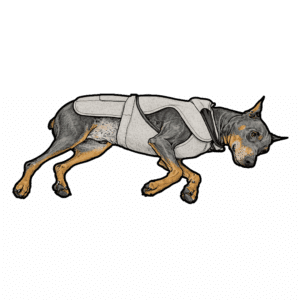 Color Dilution Alopecia (CDA) |
Color Dilution Alopecia (CDA) Color Dilution Alopecia (CDA) is a hereditary skin and coat condition that affects some dogs with dilute coat colors such as blue, gray, or fawn. These lighter coat shades occur when a genetic variant changes how melanin, the pigment responsible for hair color, is transported inside growing hair shafts. In certain dogs, pigment accumulates unevenly within the hair, weakening the structure of the hair fiber and causing brittle hairs that break easily. Over time, this leads to thinning coats, patchy hair loss, and skin changes that may require supportive veterinary care. |
| Osteoarthritis | 
Osteoarthritis |
Osteoarthritis Osteoarthritis in dogs is a progressive, degenerative joint disease that occurs when the protective cartilage cushioning the ends of bones breaks down over time. This leads to pain, inflammation, and reduced mobility, especially in older or overweight dogs. While it cannot be cured, osteoarthritis can often be managed or slowed through a combination of veterinary care, nutrition, supplements, and lifestyle strategies. |
| Intervertebral Disc Disease (IVDD) | 
Intervertebral Disc Disease (IVDD) |
Intervertebral Disc Disease (IVDD) Intervertebral Disc Disease (IVDD) is a condition where the cushioning discs between the vertebrae degenerate or rupture, pressing on the spinal cord and causing pain, weakness, or paralysis. It’s especially common in long-backed breeds like Dachshunds. |
| Diarrhea | 
Diarrhea |
Diarrhea Diarrhea refers to the passage of loose, unformed, or watery stools caused by excess water in the intestinal tract. It is a symptom, not a diagnosis, and may result from a wide range of underlying issues such as dietary indiscretion, microbiome imbalance, infection, inflammation, or chronic gastrointestinal conditions. Diarrhea can be acute, chronic, or intermittent. The texture, volume, and frequency of the stool can provide important clues about the location and nature of the disruption. |
| Coprophagia | 
Coprophagia |
Coprophagia Coprophagia is the medical term for the ingestion of feces, a behavior seen in dogs under both normal and abnormal circumstances. It is common in puppies and maternal care but may also reflect digestive, nutritional, or behavioral imbalances. When persistent or paired with ingestion of non-food items, coprophagia may be considered a form of pica and could signal the need for medical or behavioral evaluation. |
| Pica | 
Pica |
Pica Pica refers to the persistent ingestion of non-food, non-nutritive materials, such as fabric, plastic, soil, or paper. In dogs, this behavior may be linked to digestive issues, nutritional deficiencies, behavioral stress, or underlying medical conditions. Unlike occasional chewing or mouthing, pica involves repeated consumption and may pose serious health risks if left unaddressed. |
| Vomiting | 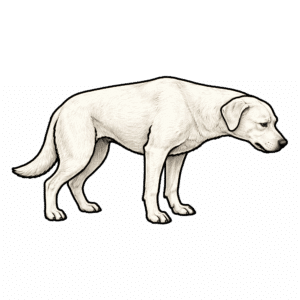 Vomiting |
Vomiting Dog vomiting is a protective reflex, not a disease, designed to remove material the body cannot tolerate or process properly. It is coordinated by the brain but often triggered by signals from the digestive tract, bloodstream, or nervous system. In dogs, vomiting can range from an occasional, self-limited event to a sign of deeper disruption in digestion, gut motility, or systemic balance. Understanding the type of vomiting, its timing, and its triggers helps distinguish normal responses from patterns that require medical attention. |
| Gas | 
Gas |
Gas Gas is a normal byproduct of digestion. Healthy dogs naturally produce intestinal gas from swallowed air and from the fermentation of food by gut bacteria. Excessive gas, strong odor, bloating, or visible discomfort can signal that digestion is not working efficiently. Understanding where gas comes from helps clarify when it is part of normal physiology and when it reflects imbalance in the gastrointestinal tract. |
| Entropion | 
Entropion |
Entropion Entropion is a condition where a dog's eyelid rolls inward, causing the eyelashes and skin to rub against the eye, leading to irritation, pain, and potential corneal damage. It is most commonly seen in certain breeds with loose facial skin and is typically corrected with surgery. Supportive care, such as lubricating eye drops and pain management, may help relieve discomfort before and after surgical treatment. In a healthy eye, the eyelids sit smoothly against the globe and protect it; with entropion, that protective structure becomes a source of ongoing mechanical injury. Early recognition and correction are important to preserve comfort and long-term eye health. |
| Cherry Eye | 
Cherry Eye |
Cherry Eye Cherry eye in dogs, medically called prolapsed gland of the third eyelid or nictitating membrane gland prolapse, occurs when a tear-producing gland in the inner corner of the eye slips out of its normal position. It appears as a pink or red bulge and is most common in young dogs. Because this gland produces a significant portion of the eye’s watery tears, displacement can affect long-term tear balance and ocular surface health. Left unaddressed, chronic exposure and inflammation can increase the risk of dry eye and ongoing irritation. |
| Ectropion | 
Ectropion |
Ectropion Ectropion in dogs is a structural eyelid condition in which the lower eyelid rolls outward, exposing the inner lining of the eye. This outward turning disrupts normal tear distribution and leaves delicate tissues vulnerable to dryness, debris, and chronic irritation. While some breeds are predisposed due to facial conformation, significant ectropion can lead to recurrent conjunctivitis and long-term surface inflammation. Early evaluation helps determine whether supportive care is sufficient or surgical correction is needed. |
| Alopecia X (Hair Cycle Arrest) | 
Alopecia X (Hair Cycle Arrest) |
Alopecia X (Hair Cycle Arrest) Alopecia X, sometimes called hair cycle arrest, is a condition that causes gradual hair loss in certain dog breeds, especially northern and spitz-type breeds such as Pomeranians, Alaskan Malamutes, and Chow Chows. The disorder develops when hair follicles stop producing new hair normally, even though the follicles themselves remain present in the skin. Hair loss usually appears on the body and tail while the head and legs often keep their normal coat. Although the change in appearance can be dramatic, dogs with Alopecia X are typically otherwise healthy. |
| Black Hair Follicular Dysplasia | 
Black Hair Follicular Dysplasia |
Black Hair Follicular Dysplasia Black Hair Follicular Dysplasia (BHFD) is an inherited hair disorder that affects black hairs in dogs with multi-colored coats. In this condition, pigment is packaged abnormally inside the developing hair shaft, which makes those hairs fragile and prone to breakage. Over time, the black areas of the coat may thin or become bald while lighter areas remain normal. Although the hair loss can look dramatic, BHFD is usually a cosmetic condition rather than a life-threatening disease. |