
Fish



Overview
Fish for Dogs: Nutrition, Sourcing, and Sustainability
Fish is one of the most nutrient-dense and biologically valuable protein sources available for dogs. It provides highly digestible protein, essential fatty acids, and naturally occurring vitamins and minerals that support skin, joint, and heart health. At the same time, the type of fish, its position in the food chain, and how it’s sourced can influence both nutritional quality and environmental impact.
Can Dogs Have Fish?
Yes. Dogs can safely eat fish, and it’s a nutritious source of protein, omega-3 fatty acids, and essential minerals when it’s prepared correctly. Fish is naturally rich in EPA and DHA, two long-chain omega-3s that help reduce inflammation, support joint health, and promote a shiny coat and healthy skin. Many dogs also find fish highly palatable, making it a great option for picky eaters or dogs with sensitivities to common proteins like chicken or beef.
Fish already appears in many commercial dog foods and treats because of its digestibility and nutritional value. It can also be offered on its own as part of a balanced diet.
Dogs should only eat fish that is plain and simply prepared without added salt, sauces, or seasonings. Fish intended for human use, such as canned tuna or sardines packed in brine, can contain too much sodium for dogs. High-salt foods can strain the kidneys and raise blood pressure, especially in older dogs.
Bones deserve a quick mention. Fish bones are naturally small and rich in minerals, but they can also pose a choking or digestive hazard if they’re hard or sharp. Cooked bones should never be fed because they become brittle and can splinter once chewed. However, the soft bones found in small canned fish—such as sardines or anchovies—are generally safe. During canning, the fish is pressure-cooked inside the sealed container, which softens the bones so they crumble easily and provide a natural source of calcium and phosphorus.
Most commercial dog foods and treats that use fish include ground or bone-free ingredients, so pet owners don’t need to worry about bones in those cases. For fresh or home-prepared fish, choosing filleted or deboned portions is still the safest approach, particularly for small dogs or fast eaters.
For most dogs, fish can be part of a healthy, balanced rotation of animal proteins and a natural way to boost omega-3 intake. When in doubt about a product’s species, sourcing, or preparation, contact the manufacturer for clarification. Responsible pet food brands should be transparent about where their fish comes from and how it’s processed.
Understanding Fish Quality and Label Transparency
When choosing fish-based dog foods or supplements, a useful rule of thumb is to look for the specific species of fish on the ingredient label. Seeing the exact type usually indicates that the fish is sourced as a single, identifiable species, not a mixed “fish meal” made from assorted bycatch. This can tell you more about where the fish comes from and how consistent the ingredients are from batch to batch.
In contrast, labels that use more generic terms like “fish meal,” “ocean fish,” or “whitefish” may include a mix of species. These blends are not automatically bad, but the exact makeup can change depending on what fish are available at the time of production.
Being able to identify the fish species provides better traceability (knowing where it came from) and can also signal a higher level of ingredient transparency from the manufacturer. If a company clearly names the fish species and region of sourcing, it often reflects stronger quality control and responsible supply chain practices.
The Food Chain and Heavy Metals
Not all fish carry the same nutrient and safety profile. A fish’s position in the marine food chain greatly affects its potential for contaminants such as mercury or PCBs (polychlorinated biphenyls).
- Small, short-lived fish like sardines, anchovies, and pollock feed on plankton and occupy the lower end of the food chain. They have naturally low levels of heavy metals and are safer for routine feeding.
- Larger, long-lived predatory fish such as tuna, swordfish, or shark consume other fish throughout their lives, allowing mercury and other pollutants to bioaccumulate in their tissues. These species are best avoided unless sourced carefully, or used only occasionally in dog diets.
Understanding this dynamic helps explain why smaller forage fish are often preferred in both human and canine nutrition. They deliver the same beneficial omega-3s with far less risk of contaminant buildup.
Sustainability and Responsible Sourcing
The environmental footprint of fish depends on how it’s harvested and how resilient the species is. Some species naturally reproduce quickly and live in large schools, making them more renewable food sources. Examples include sardines, anchovies, mackerel, herring, and pollock—all small, fast-growing fish that play an important role in the marine food web. These species tend to recover quickly from fishing pressure and are generally considered among the most sustainable options when harvested responsibly.
Larger or slower-growing fish, such as cod, salmon, and halibut, can also be sustainable choices when sourced from well-managed fisheries or certified aquaculture operations. What matters most is how the fishery or farm operates—not just the species itself.
When evaluating products, you can look for certifications such as the Marine Stewardship Council (MSC), Aquaculture Stewardship Council (ASC), or equivalent third-party verifications. These programs indicate that the fishery or farm is managed to maintain healthy populations, minimize bycatch, and protect ocean habitats.
Both wild-caught and farmed fish can be responsible options if the sourcing is transparent. For aquaculture products, it’s worth checking whether the company shares details about feed quality, water management, and environmental practices. Responsible farms use sustainable feed ingredients, avoid unnecessary antibiotics, and minimize waste discharge to protect surrounding ecosystems.
Choosing fish from traceable, certified sources helps support healthy oceans while ensuring cleaner, safer nutrition for dogs.
Final Thoughts: Fish as Part of a Balanced Canine Diet
Fish can be a clean, sustainable, and highly beneficial component of a dog’s diet when sourced and prepared responsibly. It offers valuable marine nutrients that support inflammation control, cognitive function, and overall vitality.
Understanding where a fish sits in the food chain, how it’s harvested, and how it appears on the label helps pet parents make informed choices. And if any ingredient or sourcing detail is unclear, a responsible manufacturer should always be willing to provide clarity. Transparency and sustainability benefit not just dogs, but the oceans that nourish them.


Food Component Groups
 Ingredient sources group of Fish
| Image & Title | At a Glance |
|---|---|

|
Fish oil is derived from the tissues of a variety of fish species, including both small oily fish like anchovies and sardines, as well as larger species such as salmon and mackerel. It is a rich source of omega-3 fatty acids, particularly EPA and DHA. |

Foods
Types of Fish
| Image & Title | At a Glance |
|---|---|
|
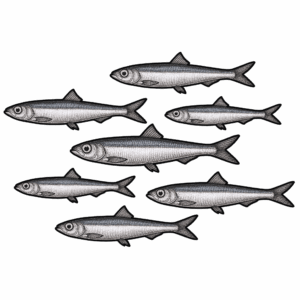
Anchovies are small, oily saltwater fish that are highly bioavailable and naturally low in contaminants due to their short lifespan and plankton-based diet. For dogs, they offer a clean, sustainable source of protein and omega-3 fatty acids. |

|
Pollock is a fish with two main species: Alaskan pollock, also known as walleye pollock, which is found in the North Pacific, and Atlantic pollock from the North Atlantic. Alaskan pollock is more commonly used due to its abundance, high protein content, and sustainable fishing practices that prioritize environmental stewardship. |
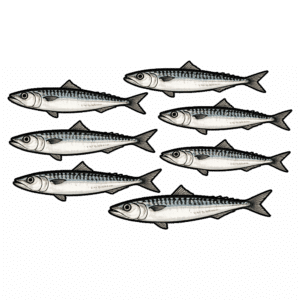 Sardines Sardines |
Sardines are small, oily fish that serve as a source of omega-3 fatty acids (EPA and DHA), protein, and naturally occurring minerals such as calcium, selenium, and vitamin D. Because they feed on plankton and are often consumed whole (including their bones and skin) they provide dogs with marine-derived nutrients that support normal metabolism, joint function, and skin health. Their low position in the ocean food web means sardines typically contain fewer contaminants than larger fish. |

Follow the Research
Studies providing deeper insight into Fish
| Title | Information |
|---|---|
| The Effects of Omega-3 Supplementation on the Omega-3 Index and Quality of Life and Pain Scores in Dogs | At a Glance A 16-week clinical study in 29 pet dogs found that daily omega-3 supplementation from anchovy and sardine oils significantly increased the Omega-3 Index in all size groups and reduced owner-reported pain in small and medium dogs. Large dogs did not show the same pain improvement, likely because fixed-size capsules delivered a lower mg/kg dose. No adverse effects were reported. Connecting the Dots |

Dig Deeper
Q/A's related to Fish

Blog Articles
Articles related to Fish
| Featured Image Link | Blog Title | Blog_URL_Link |
|---|---|---|
 |
How to Incorporate Omega-3 into Your Dog’s Diet | https://www.bernies.com/blogs/bernies-blog/how-to-incorporate-omega-3-into-your-dogs-diet/ |
 |
The Connection Between Omega-3 and Your Dog’s Eye Health | https://www.bernies.com/blogs/bernies-blog/the-connection-between-omega-3-and-your-dogs-eye-health/ |