Color Dilution Alopecia (CDA)



Overview
What Is Color Dilution Alopecia In Dogs?
Color Dilution Alopecia is a type of inherited hair follicle disorder that affects the structure and durability of hair in some dogs with dilute coat colors.
To understand CDA, it helps to start with the basics of how hair and pigment normally work.
Hair grows from structures in the skin called hair follicles. Within these follicles are specialized pigment-producing cells called melanocytes. These cells produce melanin, the pigment that determines coat color. As hair grows, melanin is transferred into the developing hair shaft, giving the coat its characteristic color.
In some dogs, genetic variants change how this pigment is transported and packaged inside the hair. Instead of appearing deep black or rich brown, the pigment becomes lightened or “diluted.” This process is known as color dilution.
Dilution does not remove pigment completely. Instead, it spreads the pigment particles differently within the hair, which softens the color. As a result, black coats may appear blue or gray, while brown coats may appear fawn, taupe, or Isabella depending on the breed.
In dogs that develop Color Dilution Alopecia, the pigment particles do not disperse smoothly along the hair shaft. Instead, they accumulate in dense clusters inside the hair fiber. These pigment clumps weaken the internal structure of the hair, creating fragile hairs that break more easily during normal movement, grooming, or friction.
Over time, repeated breakage leads to visible coat thinning and areas of alopecia.
How Dilute Coat Genetics Affect Hair Structure
Dilute coat colors occur when a dog inherits specific genetic variants that alter how pigment particles are transported within melanocytes.
Normally, pigment granules move along microscopic transport pathways inside the cell before being deposited evenly into growing hairs. In dilute coats, this pigment transport system works differently, producing smaller amounts of pigment in each hair fiber and giving the coat its lighter appearance.
In some dogs, however, pigment transport becomes inefficient enough that pigment accumulates into large aggregates within the hair shaft. These pigment clusters, sometimes called macromelanosomes, disrupt the structural arrangement of the hair fiber.
Healthy hair shafts are built from tightly organized protein layers made largely of keratin. When pigment clumps interrupt this structure, the hair becomes weaker and more prone to splitting or breaking.
This structural fragility is the underlying reason hair loss develops in dogs with Color Dilution Alopecia.
What Color Dilution Alopecia Looks Like In Dogs
Most dogs with CDA are born with a normal-looking coat. Visible signs often begin during young adulthood, commonly between six months and two years of age.
Hair loss typically begins in the areas of the coat that carry the diluted color, such as the back, flanks, and trunk. Areas with normal pigment usually remain unaffected.
Common signs may include:
- Gradual thinning of the coat in dilute areas
- Hair that appears dry, brittle, or dull
- Patchy or symmetrical hair loss
- Dry, flaky skin (scaling)
- Darkened areas of skin
As hair density decreases, the skin becomes more exposed. Many dogs develop hyperpigmentation, which appears as dark speckling or patches on the skin. This occurs because of uneven melanin distribution within the skin and hair follicles.
The exposed skin may also become more sensitive to environmental stress, which can lead to secondary irritation or bacterial folliculitis in some dogs.
Why Not Every Dilute-Colored Dog Develops CDA
Dilute coat color alone does not automatically cause Color Dilution Alopecia.
Many dogs with blue or fawn coats maintain healthy hair throughout their lives. The difference appears to lie in how severely pigment transport is altered within individual hair follicles.
Some dogs distribute pigment in a way that produces lighter color but still maintains strong hair fibers. Others develop large pigment aggregates that weaken the hair shaft.
Breed genetics also influence this risk. Dilute Dobermans, Dachshunds, and certain terrier breeds are more commonly associated with CDA, while other dilute-coated breeds such as the Weimaraner rarely develop the condition despite having similar coat colors.
Some Doberman enthusiasts are tracking CDA in dilute dogs to better understand why the condition affects some individuals but not others. Reporting your dog’s status helps build the data needed to explore the genetic factors behind this condition.
Why Dilute Coat Colors Have Different Names Across Breeds
Recognizing dilute coat colors can sometimes be confusing because different breeds use different words to describe similar pigment changes.
Color Dilution Alopecia is linked to dilution of eumelanin, the pigment responsible for black and brown coat colors. When this pigment is diluted, black typically appears gray or slate, while brown becomes a pale beige or taupe shade.
Across dog breeds, these diluted colors may be described using several different names. For example:
- Blue usually refers to diluted black pigment. This term is used in breeds such as Dobermans, Great Danes, French Bulldogs, and Italian Greyhounds.
- Silver and slate are sometimes used instead of blue, particularly in Labrador Retrievers.
- Gray is the typical description used in breeds like the Weimaraner.
Diluted brown pigment may also appear under different names:
- Fawn in Dobermans refers to diluted brown pigment, sometimes called Isabella.
- Isabella is commonly used in Dachshunds, Chihuahuas, and some European breed standards.
- Lilac is another term sometimes used in small companion breeds for diluted brown tones.
However, terminology can be misleading. In some breeds, the same word describes a completely different genetic color. For example, fawn in Great Danes or Boxers refers to a yellow-tan coat that is not genetically dilute, while fawn in Dobermans describes a diluted brown coat.
Because of these differences, identifying whether a coat is truly dilute often requires considering both the breed and the specific coat color genetics, not just the color name.
How Veterinarians Diagnose Color Dilution Alopecia
Hair loss in dogs can occur for many reasons, so veterinarians typically approach alopecia as a diagnostic process of elimination.
When a young dog with a dilute coat develops thinning hair in the dilute areas, a veterinarian may begin to suspect CDA. However, other conditions must be ruled out first.
A typical diagnostic approach may include:
- Skin scrapings to check for mites or parasites
- Fungal testing to rule out ringworm infections
- Blood tests to evaluate hormone-related disorders
- Evaluation of allergy or environmental skin disease
If these tests are normal and the pattern of hair loss matches dilute coat distribution, the veterinarian may examine hair shafts under a microscope or perform a small skin biopsy. These tests can reveal the characteristic pigment clumping inside the hair shaft that is associated with CDA.
This stepwise approach helps ensure that treatable conditions are not overlooked.
How Color Dilution Alopecia Differs From Other Types Of Alopecia In Dogs
Alopecia simply means hair loss, but the causes of hair loss in dogs vary widely.
CDA is classified as a follicular dysplasia, which means the hair follicles produce structurally abnormal hair fibers due to genetic factors. Other forms of alopecia develop through very different mechanisms.
Black Hair Follicular Dysplasia
Black Hair Follicular Dysplasia is a type of hair loss that is similar to Color Dilution Alopecia. Instead of affecting dilute-colored hair, it affects black hairs in multi-colored coats. The underlying problem is similar: pigment clumping weakens the hair shaft and causes hair breakage.
Endocrine Alopecia
Hormonal disorders such as hypothyroidism or Cushing’s disease can disrupt the hair growth cycle. In these conditions, hair follicles enter prolonged resting phases and stop producing new hair efficiently. Hair loss from endocrine disease often appears symmetrical across the body but is not linked to coat color.
Allergic Or Inflammatory Alopecia
Allergies, infections, and parasites often cause hair loss through inflammation. Dogs with these conditions typically show itching, redness, crusting, or skin lesions. Hair loss often results from scratching or damage to inflamed follicles.
Alopecia X
Alopecia X is a form of non-inflammatory hair loss most often seen in spitz-type breeds such as Pomeranians, Alaskan Malamutes, and Chow Chows. In this condition, hair follicles stop producing new hair normally, so the coat gradually thins as existing hairs shed and are not replaced.
Unlike Color Dilution Alopecia, Alopecia X is not related to coat color or pigment structure. The hair shafts themselves are usually normal; the problem lies in how the follicles regulate the hair growth cycle.
Pattern Baldness And Hair Cycle Disorders
Some breeds develop genetically programmed hair thinning that occurs in predictable areas of the body. Examples include pattern baldness in Dachshunds or seasonal flank alopecia. These conditions involve changes in the hair growth cycle rather than pigment abnormalities.
These distinctions help veterinarians identify the true cause of hair loss rather than assuming all alopecia has the same origin.
What Treatment For Color Dilution Alopecia Usually Involves
There is currently no way to reverse the genetic pigment changes that lead to CDA. Treatment focuses on managing skin health and preventing complications.
Veterinary care typically emphasizes maintaining a stable skin barrier and minimizing follicular irritation.
Common strategies may include:
- Medicated shampoos to keep hair follicles clean and reduce scaling
- Moisturizing treatments to support the skin barrier
- Treatment of bacterial folliculitis if infections occur
- Nutritional support for skin and coat health
Because hair loss can expose the skin, some dogs may also benefit from limiting prolonged sun exposure or protecting areas with significant thinning.
Many dogs with CDA remain comfortable with supportive skin care and routine veterinary monitoring.
Supporting the Skin In Dogs With CDA
Healthy skin functions as a protective barrier that regulates moisture, temperature, and microbial balance. Hair plays an important role in this system because it shields the skin from friction, ultraviolet light, and environmental stress.
When hair density decreases, the skin becomes more exposed. This can make the skin more vulnerable to dryness, scaling, irritation, and overgrowth of bacteria within the hair follicles. Supporting the skin barrier therefore becomes an important part of managing dogs with Color Dilution Alopecia.
In practice, this support usually focuses on maintaining a stable skin environment and minimizing stress on fragile hair follicles.
Veterinarians may recommend gentle bathing routines using shampoos designed to remove excess oils and debris without stripping the skin’s natural protective lipids. These shampoos can help keep follicles clear and reduce scaling that sometimes develops as hair breaks and sheds.
Moisturizing products are often used after bathing to replenish the skin barrier. These may include sprays, conditioners, or topical treatments that contain ingredients such as ceramides, fatty acids, or soothing plant extracts. The goal is to help the outer skin layer retain moisture and remain flexible.
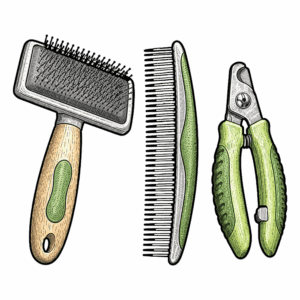
Gentle grooming practices also become important. Because the hair shafts are structurally fragile, rough brushing, aggressive deshedding tools, or frequent friction against harnesses and clothing can worsen breakage. Many caregivers find that softer brushes and less frequent mechanical grooming help protect the remaining coat.
Nutrition also contributes to skin resilience. Diets that provide adequate essential fatty acids support the lipid layer of the skin, which helps maintain hydration and barrier function. When the skin barrier is stronger, it is better able to resist irritation and microbial imbalance.
In dogs that develop secondary folliculitis, veterinarians may recommend medicated shampoos or short courses of treatment to control bacterial overgrowth. Addressing these infections promptly helps prevent additional damage to already fragile hair follicles.
These measures do not change the underlying pigment genetics that cause CDA. However, by stabilizing the skin barrier and reducing follicular stress, supportive care can help many dogs remain comfortable and reduce the likelihood of secondary complications.
Key Takeaways
Color Dilution Alopecia is ultimately a condition of hair structure, not hygiene or skin care mistakes.
The genetic changes that lighten coat color also influence how pigment is organized inside the hair shaft. In some dogs, this altered pigment structure weakens the hair fiber, leading to fragile hairs that break easily.
Because the condition originates in the hair itself, treatment focuses on supporting skin health and preventing secondary irritation, rather than trying to reverse the underlying genetics.
Many dogs with CDA live normal, comfortable lives when their skin barrier is supported and infections are addressed promptly if they occur.

How Bernie’s Can Help
 See which Bernie’s products may provide nutritional support for dogs with this condition, and how they fit into overall care.

Related Questions
Why Do Some Blue Dobermans Develop Hair Loss?
Some blue Dobermans develop hair loss because the gene that creates their dilute coat color can also affect how pigment is packaged inside each hair. In certain dogs, pigment forms dense clumps that weaken the hair shaft from within. This makes the hair more likely to break during normal activity. Not all blue Dobermans are affected, but those with this pigment pattern may develop thinning over time.
What Causes Thinning Hair In Dachshunds With Dilute Coats?
In some dilute-coated Dachshunds, pigment does not spread evenly inside the hair. Instead, it collects into clusters that disrupt the structure of the hair shaft. Hair is made of tightly organized protein, and when that structure is interrupted, it becomes fragile. Thinning develops gradually as weakened hairs break faster than they are replaced.
Are Weimaraners Less Likely To Develop Color Dilution Alopecia Than Other Dilute Breeds?
Weimaraners have a dilute coat color, but they are less commonly affected by color dilution alopecia than some other dilute breeds. Their pigment is usually distributed more evenly within the hair, which helps maintain hair strength. In breeds more often associated with CDA, pigment is more likely to clump and weaken the hair shaft.
What Is Happening Inside The Hair In Dogs With Color Dilution Alopecia?
Inside affected hairs, pigment particles cluster together instead of being evenly distributed. These clusters disrupt the internal structure of the hair, which is built from organized layers of keratin, a structural protein. When that structure is disrupted, the hair becomes weaker and more likely to break.
Do All Dogs With Dilute Coat Colors Develop Color Dilution Alopecia?
No. Many dogs with dilute coats have normal hair. The difference comes down to how pigment is distributed inside the hair shaft. If it remains evenly spread, the hair stays strong. If it forms clusters, the hair becomes more fragile and more likely to break.
How Is Color Dilution Alopecia Different From Black Hair Follicular Dysplasia (BHFD)?
Both conditions involve pigment clumping inside the hair, but they affect different types of hair. Color dilution alopecia affects dilute-colored hair such as blue or fawn. Black hair follicular dysplasia affects black hairs in dogs with multi-colored coats. In both conditions, weakened hair breaks more easily, but the pattern depends on which hairs are affected.
Is Color Dilution Alopecia The Same As Alopecia X In Dogs?
No. Color dilution alopecia and Alopecia X both cause hair loss, but they develop for different reasons. Color dilution alopecia is a structural problem within the hair itself. Pigment clumps inside the hair shaft weaken it, causing the hair to break.
Alopecia X works differently. The hair follicles stop cycling normally, which means they do not produce new hair as they should. The existing hair sheds over time and is not replaced, leading to gradual thinning.
How Can You Tell If Your Dog’s Hair Loss Is Genetic Rather Than Caused By Allergies Or Skin Irritation?
Genetic hair loss often develops without early signs of inflammation. The coat may become dry or brittle first, followed by gradual thinning in specific areas. Allergies or skin irritation usually involve itching, redness, or other visible skin changes. The pattern of hair loss and the presence of inflammation help distinguish between these causes.
When Does Color Dilution Alopecia Usually Start To Show In Dogs?
Most dogs with this condition are born with a normal-looking coat. Signs usually begin between six months and two years of age. As adult hair grows in, structural weakness becomes more noticeable and breakage increases over time.
Can Color Dilution Alopecia Be Cured Or Reversed?
No. Color dilution alopecia is tied to how the hair is formed at a genetic level. Supportive care can help maintain skin health and reduce stress on the hair, but it does not change the underlying structure of the hair shaft.
Will Hair Grow Back In Dogs With Color Dilution Alopecia?
Hair may grow back in some areas, but it is often fragile and may break again. Because the underlying hair structure has not changed, regrowth is usually partial or inconsistent.
How Can You Support Skin And Coat Health In A Dog With Color Dilution Alopecia?
Support focuses on protecting the skin and reducing stress on fragile hair. Gentle bathing, maintaining skin moisture, and avoiding rough grooming can help limit breakage. Reducing friction and supporting overall skin health can also help keep the skin more comfortable, especially in areas where the coat has thinned.

General Health Topics
Health Topics related to Color Dilution Alopecia (CDA)
| Image & Title | At a Glance |
|---|---|

|
A dog’s skin and coat are vital to its overall health, providing protection, temperature regulation, and sensory functions. Healthy skin and a shiny coat are often signs of proper nutrition and care. Issues such as dryness, itching, or excessive shedding may indicate underlying health problems like allergies or infections. Maintaining good skin and coat health is key to a dog’s comfort and well-being, making it an important aspect of overall care. |

Therapeutic Interventions
Therapeutic Interventions of Color Dilution Alopecia (CDA)

Lifestyle Strategies
Lifestyle Strategies of Color Dilution Alopecia (CDA)

Foods
Food sources of Color Dilution Alopecia (CDA)

Food Components
Ingredient sources of Color Dilution Alopecia (CDA)

Food Component Groups
Ingredient sources group of Color Dilution Alopecia (CDA)

Nutrients
Nutrients Found in Color Dilution Alopecia (CDA)


Nutrient Types
Nutrient Types of Color Dilution Alopecia (CDA)

Nutrient Sub-Types
Nutrient Sub-Types of Color Dilution Alopecia (CDA)

Follow the Research
Studies providing deeper insight into Color Dilution Alopecia (CDA)
| Title | Information |
|---|

Dig Deeper
Q/A's related to Color Dilution Alopecia (CDA)

Blog Articles
Articles related to Color Dilution Alopecia (CDA)
| Featured Image Link | Blog Title | Blog_URL_Link |
|---|

Dog Breeds
Tips for Dog Breeds about Color Dilution Alopecia (CDA)