
Fruits



Overview
What Are Fruits in the Context of Dog Nutrition?
In botanical terms, fruits are the mature reproductive structures of flowering plants. They develop from the plant’s flower and contain seeds along with surrounding tissues that help protect those seeds and aid in dispersal. This surrounding tissue often contains sugars, water, fibers, pigments, and aromatic compounds that make the fruit attractive to animals that may eat it.
For dogs, fruits are best understood as plant ingredients that contribute chemical diversity rather than core nutrition. They do not provide the complete proteins or essential fats that form the nutritional base of the canine diet. Instead, their value comes from fibers, micronutrients, and a wide range of biologically active plant compounds.
In modern dog foods, fruits are typically included in small amounts. They may appear as whole ingredients, freeze-dried inclusions, powders, or purees. In these forms, fruits function less like staple foods and more like supportive additions that broaden the nutritional profile of the diet.
Can Dogs Have Fruit?
Yes. Many dogs can safely eat a variety of fruits when they are prepared appropriately and offered in reasonable amounts.
Although dogs are often described as carnivores, they are more accurately classified as facultative carnivores. This means their biology is centered on animal-based digestion, but their digestive system can also process a range of plant foods. Observations of wolves and free-ranging dogs show that they sometimes consume berries and other seasonal fruits when these foods are available.
These plant foods are not major calorie sources in natural canine diets. Instead, they appear as opportunistic additions that provide hydration, fermentable fibers, and small amounts of plant compounds. Domestic dogs inherited this dietary flexibility and are capable of digesting many fruits when those foods are introduced thoughtfully.
The key consideration is proportion. Fruits can complement a dog’s diet, but they do not replace the nutritional role of animal proteins and fats.
What Nutritional Roles Do Fruits Play in a Dog’s Diet?
Fruits contribute several categories of nutrients and biologically active compounds that influence how the body processes food. Their role is not primarily caloric. Instead, fruits interact with digestion, microbial ecology, and cellular signaling pathways.
Fruit Fibers and Digestive Function
Many fruits contain soluble fibers such as pectin along with smaller amounts of insoluble fiber. These fibers behave differently from the dense structural fibers found in woody plant materials.
Soluble fibers absorb water and form gel-like structures during digestion. This process can slow the movement of food through the gastrointestinal tract and help regulate stool consistency. When these fibers reach the large intestine, certain gut microbes ferment them into short-chain fatty acids, which serve as an energy source for the cells lining the colon.
Because fruit fibers tend to be softer and more fermentable than many other plant fibers, they can provide gentle digestive support when included in small amounts.
Pigments and Carotenoids in Fruit
The colors found in many fruits are produced by pigment molecules that belong to groups such as carotenoids and anthocyanins. These pigments help protect plant tissues from environmental stress, including sunlight and oxidative damage.
When dogs consume these pigments, the compounds interact with metabolic pathways involved in oxidative balance and cellular signaling. Carotenoids such as beta-carotene, astaxanthin, lutein, and zeaxanthin are especially notable because they can accumulate in animal tissues after being absorbed through the diet.
While fruits are not the primary source of these nutrients in most dog foods, they contribute to the broader spectrum of plant-derived compounds that interact with cellular physiology.
Polyphenols and Other Plant Defense Compounds
Fruits also contain a wide range of polyphenols and aromatic plant compounds that function as part of the plant’s natural defense system. These chemicals help the plant withstand ultraviolet radiation, microbial attack, and environmental stress.
In animals, these compounds interact with biological pathways related to oxidative stress, inflammation signaling, and microbial metabolism. Some polyphenols are also metabolized by gut microbes, which can transform them into secondary compounds that circulate within the body.
Because these interactions are complex and dose-dependent, fruits are generally used in moderate quantities rather than as major dietary ingredients.
How Fruit Preparation Affects Digestibility for Dogs
The form in which fruit is offered can influence how easily a dog’s digestive system can process it.
Whole fruits contain intact cell walls that can limit how much of the plant material becomes available during digestion. Light cooking, pureeing, freeze-drying, or grinding can break down some of these structures and make the fruit’s components more accessible.
In dog foods and supplements, fruits often appear as powders or purees for this reason. These forms allow the plant compounds and fibers to be more evenly distributed throughout the diet.
At the same time, heavy processing can alter how quickly sugars are absorbed or how fibers behave in the digestive tract. Juices, concentrates, and heavily sweetened dried fruits typically remove much of the structural fiber that slows digestion, which can change the metabolic impact of the fruit.
Why Not All Fruits Are Appropriate for Every Dog
While many fruits can be beneficial additions to canine diets, they are not universally appropriate in all situations.
One factor to consider is sugar content. Fruits naturally contain simple sugars that can influence blood glucose levels when consumed in large amounts. For dogs with metabolic conditions such as insulin resistance, diabetes, or obesity, fruit intake may need to be limited or carefully selected.
Another consideration is the structure of the fruit itself. Some fruits contain seeds, pits, or rinds that can be difficult for dogs to digest or that may pose choking or obstruction risks. Certain seeds and pits also contain compounds that are not appropriate for canine consumption.
For these reasons, fruit is typically offered in prepared forms that remove problematic parts while preserving the edible flesh and fiber.
Fruits to Avoid for Dogs
While many fruits can be safely offered to dogs in small amounts, a few are known to pose safety concerns and should not be included in canine diets. Grapes and raisins are the most widely recognized fruit that should never be fed to dogs. Even small amounts have been associated with sudden kidney injury in some dogs. The exact compound responsible has not been fully identified, and dogs appear to vary widely in their sensitivity. Because the risk is unpredictable, grapes, raisins, and foods containing them are considered unsafe for dogs.
Certain stone fruits such as peaches, plums, and apricots contain pits that can create problems for dogs. The hard pit itself presents a choking hazard and may cause intestinal obstruction if swallowed. In addition, the seeds inside these pits contain compounds that may release cyanogenic chemicals when crushed or digested. The flesh of some of these fruits may be safe in small amounts if the pits and stems are removed, but because preparation mistakes are easy to make, these fruits are often avoided or used cautiously.
Even fruits that are considered safe may not be appropriate for every dog. Dogs with diabetes, obesity, or certain digestive sensitivities may require stricter control of sugar intake. In these cases, fruit may be limited or avoided depending on the dog’s individual health needs.


Food Component Groups
 Ingredient sources group of Fruits
| Image & Title | At a Glance |
|---|---|
|
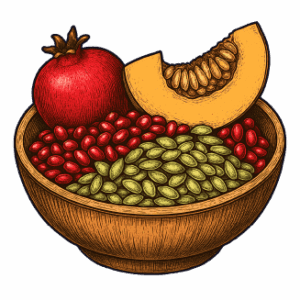
Fruit seeds are nutrient-dense components from the reproductive parts of plants, providing healthy fats and fiber. |

Foods
Types of Fruits
| Image & Title | At a Glance |
|---|---|

|
Blueberries are small, nutrient-rich fruits packed with antioxidants like anthocyanins, which support cellular health, reduce inflammation, and promote brain and cognitive function. Low in calories, blueberries can make an excellent addition to dog diets as a natural treat or functional ingredient. |

|
Pumpkin is a fruit from the winter squash family, known for its high fiber content and levels of beta-carotene and vitamins A and C. |

Follow the Research
Studies providing deeper insight into Fruits
| Title | Information |
|---|

Dig Deeper
Q/A's related to Fruits

Blog Articles
Articles related to Fruits
| Featured Image Link | Blog Title | Blog_URL_Link |
|---|