
Plants


Overview
What Are Plant-Based Ingredients in Dog Nutrition?
Plant-based ingredients come from the structural parts of plants that animals can eat or process as food. These include fruits, leaves, stems, roots, seeds, and plant exudates such as natural resins. In dog nutrition, plants are not typically included as primary protein sources in the way meat or fish are. Instead, they contribute a different set of nutritional components that complement animal foods.
The most distinctive contribution of plants is their collection of phytonutrients. Phytonutrients are naturally occurring plant chemicals that help the plant survive environmental stress such as sunlight exposure, microbial attack, or temperature changes. When consumed by animals, many of these compounds interact with metabolic pathways related to oxidative balance, immune signaling, and cellular maintenance.
Plants also provide forms of dietary fiber that do not exist in animal tissue. Fiber influences the movement of food through the digestive tract and helps shape the microbial community in the large intestine. For dogs, this microbial ecosystem plays a role in digestion, nutrient recycling, and immune communication with the rest of the body.
In practical feeding, plant ingredients are usually included in smaller proportions than animal ingredients. Their role is to broaden the nutritional landscape of the diet rather than replace the core biological functions served by protein and fat from animal sources.
Do Dogs Naturally Eat Plants?
Dogs evolved from wolves, who eat prey animals. However, wild canids are not strict carnivores in the sense of eating only meat. Field observations and diet analyses show that wolves and other wild canids sometimes consume plant material, especially when it is seasonally available.
Berries, grasses, and plant matter from the digestive tracts of prey animals can all appear in wild canid diets. These plant foods are not typically the main energy source, but they demonstrate that the canine digestive system is capable of processing a range of plant compounds.
Domestic dogs have evolved alongside humans for thousands of years, and their digestive systems reflect that history. Compared with wolves, dogs produce higher levels of enzymes involved in starch digestion. This allows them to utilize certain plant carbohydrates more efficiently when those ingredients are part of a balanced diet.
This flexibility helps explain why many dog foods include both animal and plant ingredients. The two categories provide different types of nutrients that interact with their bodies in complementary ways.
What Nutritional Roles Do Plants Play in a Dog’s Diet?
Plant ingredients contribute several categories of nutrients and functional compounds that influence how a dog’s body processes food. These roles are quite different from those of animal proteins and fats, which supply essential amino acids and concentrated energy. Instead, plants tend to shape digestion, microbial activity, and the broader biochemical environment of the diet.
Fiber and Digestive Structure
Plants are the primary dietary source of fiber in dog diets. Fiber is a type of carbohydrate found in plant cell walls that the dog’s own digestive enzymes cannot fully break down. While sugars and starches are usually digested and absorbed in the small intestine, most fiber moves through this part of the digestive tract largely unchanged and continues into the large intestine.
This sometimes raises a reasonable question. If wolves and early dogs ate mostly animal prey, why would modern dogs benefit from plant fiber at all?
In the wild, canids still encounter small but meaningful amounts of fiber through several routes. Prey animals contain partially digested plant material in their stomach and intestines. Whole prey also includes connective tissues and structural components that behave somewhat like fiber during digestion. Wild canids also consume occasional berries, grasses, and other plant matter when available. These inputs mean that even ancestral diets were not completely devoid of indigestible material moving through the gut.
In modern feeding, however, dogs typically eat processed foods that lack those whole-prey components. Fiber from plant ingredients helps recreate some of the digestive structure that would naturally occur when eating whole animals and varied foods.
Instead of being digested directly by the dog, many fibers become food for the microbial community living in the large intestine. Gut bacteria ferment certain types of fiber and produce short-chain fatty acids, small molecules that serve as fuel for the cells lining the colon. This process helps support the health of the intestinal lining and contributes to normal digestive function.
Fiber also influences the physical movement of food through the digestive tract. Some fibers absorb water and form gel-like structures that help regulate stool consistency and slow the passage of food. Others provide structural bulk that stimulates intestinal movement and helps maintain regular bowel function.
Because different plants contain different types of fiber, plant ingredients can shape the digestive environment in different ways. A varied mix of plant fibers helps support both the physical movement of food through the gut and the microbial ecosystem that depends on these compounds for energy.
Phytonutrients and Plant Defense Compounds
Plants produce thousands of biologically active molecules that function as part of their internal defense systems. These chemicals help protect plant tissues from ultraviolet radiation, microbial invasion, temperature stress, and herbivory.
Many of these compounds, often grouped under the term phytonutrients, interact with animal physiology when consumed in food. Polyphenols, flavonoids, carotenoids, and related compounds can participate in pathways involved in oxidative balance, immune signaling, and cellular stress response. They are not considered essential nutrients, but they contribute to the broader chemical environment created by plant foods.
Vitamins, Minerals, and Trace Nutrients
Plant tissues also contain a variety of vitamins and minerals. Leaves, fruits, and roots can supply nutrients such as potassium, magnesium, vitamin K, and vitamin C in modest amounts.
Dogs do not rely on plants as their primary vitamin source, since many essential nutrients are also present in animal tissues or added during food formulation. Even so, plant ingredients contribute to the overall diversity of micronutrients present in the diet, which can influence how nutrients interact within the body.
Types of Plant Ingredients Commonly Used in Dog Foods
Plant ingredients used in dog nutrition often come from different structural parts of the plant. Each part has a distinct biological role in the plant itself, which influences the compounds it contains.
Fruiting Bodies
Fruits and berries are reproductive structures that contain seeds along with sugars, water, fiber, and pigments such as anthocyanins or carotenoids. These pigments often belong to the polyphenol family and are associated with the plant’s response to environmental stress.
In dog foods and treats, fruiting bodies are usually included in small amounts for variety and phytonutrient diversity rather than as a significant calorie source.
Seeds
Seeds are the reproductive core of many fruits and plants. They contain the genetic material needed to produce a new plant along with a compact reserve of nutrients that support early growth. Because of this biological role, seeds tend to be nutritionally dense compared to the surrounding fruit tissue. They often contain concentrated fats, protein, minerals, and structural fibers.
In canine nutrition, certain fruit seeds are included as whole foods or ground ingredients. Pumpkin seeds are one of the most familiar examples. These seeds contain oils rich in fatty acids, along with minerals such as magnesium and zinc and plant compounds that contribute to their distinctive nutritional profile. When ground or lightly processed, the nutrients inside the seed become more accessible during digestion.
Nuts
Nuts are a specialized type of seed that develop inside a hard protective shell. Like other seeds, they contain the nutrients needed to support early plant growth, which makes them naturally dense in fats, protein, minerals, and plant compounds. Because of their high oil content, nuts tend to provide more concentrated energy than most fruits or leafy plant materials.
Green and Woody Plant Parts
Leaves, stems, grasses, and other green plant tissues contain structural fibers and chlorophyll. Because these tissues support the physical structure of the plant, they tend to be higher in fibrous compounds such as cellulose.
When included in dog foods, these ingredients contribute bulk and fiber that influence digestion and stool quality.
Roots and Rhizomes
Roots and rhizomes are underground storage organs that hold carbohydrates, minerals, and specialized plant compounds. Examples include sweet potatoes, turmeric, and ginger.
These structures often contain dense energy reserves for the plant as well as compounds involved in plant defense. In dog nutrition, they are commonly used as carbohydrate sources or as ingredients that contribute distinct plant chemicals.
Natural Plant Resins
Some trees and plants produce resin, a sticky aromatic substance that seals wounds in bark and protects the plant from microbes and insects. Natural resins such as frankincense (Boswellia) contain complex mixtures of plant compounds that have been used traditionally in herbal preparations.
What Does a Balanced Role for Plants Look Like in Dog Nutrition?
The role of plants in dog nutrition is often simplified into “plant-based vs. animal-based” discussions, but real diets are usually more complex than that. Dogs can utilize many plant ingredients, and plants contribute fibers, carbohydrates, and diverse plant compounds that shape digestion and metabolic function. At the same time, plants and animal foods serve different biological roles, which is why balance depends not just on how much plant material is present, but how it is used within the overall diet.
A balanced role for plants in dog nutrition begins with recognizing that plants and animal foods serve different biological purposes. Animal tissues remain the most direct source of complete protein for dogs, along with essential amino acids, fats, and highly bioavailable nutrients that support tissue maintenance, metabolism, and overall body function. For this reason, most nutritional guidance continues to build canine dietary advice around animal-based ingredients.
Animal proteins naturally contain the full spectrum of amino acids dogs require. They also provide nutrients such as taurine, vitamin B12, and highly usable iron in forms that the canine body can readily absorb and use. Because of this nutrient density and bioavailability, animal ingredients typically form the structural foundation of most balanced dog diets.
How Plant Ingredients Complement the Canine Diet
Although animal foods form the core of canine nutrition, plants can play valuable supporting roles in the diet. Dogs are capable of digesting and utilizing many plant ingredients, particularly when those ingredients are properly selected and prepared.
Plant foods contribute fiber, starch, minerals, and a wide range of phytonutrients that influence digestion and metabolic processes. Fiber supports normal movement of food through the digestive tract and helps shape the microbial ecosystem in the large intestine. Phytonutrients, the protective chemicals plants produce for their own survival, interact with biological pathways related to oxidative balance and cellular stress responses.
Some plant ingredients function best as small additions that broaden the chemical diversity of the diet. Others can serve as meaningful food components. Ingredients such as pumpkin, oats, and sweet potatoes can contribute digestible carbohydrate, fiber, and micronutrients while complementing animal-based foods.
Not All Plant Ingredients Serve the Same Nutritional Role
One of the most important considerations in plant-based nutrition for dogs is that plant ingredients vary widely in their function. A root vegetable, a leafy plant, a fruit, and a resin all represent different biological structures within the plant itself, and each contains a different set of compounds.
Some plants are used primarily for their fiber profile. Others are valued for concentrated compounds and are better understood as supplemental ingredients rather than major calorie sources. For example, boswellia resin contains distinctive plant compounds that may be relevant in supplements, but it is not a staple food ingredient in the way that roots, grains, or fruits might be.
Green and woody plant parts tend to contribute structural fibers and chlorophyll-rich tissues. Roots and rhizomes often store carbohydrates and minerals for the plant, which makes them useful as digestible food ingredients. Fruiting bodies, including berries and fruits, typically contribute water, fiber, and pigment-rich phytonutrients.
Understanding these distinctions helps clarify why plant ingredients appear in dog foods in different ways. Some are present as meaningful components of the meal, while others are included in small amounts for specific nutritional properties.
Plant Protein in Modern Dog Foods
Modern dog foods sometimes include substantial amounts of plant-derived protein from ingredients such as peas, lentils, chickpeas, soy, or potato protein. These ingredients can raise the overall protein content of a food and provide additional amino acids.
However, total protein on a label does not tell the full nutritional story. Protein quality matters as much as quantity. The amino acid profile of the protein, its digestibility, and how it interacts with the rest of the diet all influence how effectively a dog can use it.
Dogs do not simply require “protein” as a single nutrient category. They require specific amino acids in particular proportions. Animal proteins tend to naturally align with those requirements, while plant proteins often require careful combination or formulation to ensure amino acid balance.
For this reason, diets that rely heavily on plant proteins typically require more deliberate formulation to maintain nutritional completeness.
How Vegan Dog Diets Fit Into the Conversation
Vegan and fully plant-based dog diets have become an area of growing interest and discussion. From a formulation standpoint, it is possible to design a plant-based diet that meets established nutrient targets through careful ingredient selection and nutrient balancing.
Some dogs appear to do well on properly formulated plant-based diets, particularly when those diets are complete and carefully monitored. However, these diets require more precision to ensure that amino acids, vitamins, and minerals are present in the correct amounts and forms.
The complexity lies not in whether dogs can consume plant foods, but in ensuring that a fully plant-based diet still meets all of a dog’s biological requirements. The margin for nutritional imbalance can be smaller when animal ingredients are removed, which is why careful formulation and veterinary guidance are often emphasized in these situations.
Finding a Practical Balance Between Animal and Plant Foods
In most balanced canine diets, plant ingredients act as nutritional complements rather than replacements for animal foods. Animal proteins and fats provide the structural and energetic foundation of the diet, while plant ingredients contribute fiber diversity, micronutrients, and specialized plant compounds that expand the nutritional landscape.
Imbalance tends to appear at the extremes. Diets with very little plant diversity may provide limited fiber types, which can influence digestive function and microbial ecology. At the other end of the spectrum, diets that rely heavily on plant ingredients to replace animal nutrition may require careful design to maintain amino acid balance and nutrient availability.
Balanced feeding usually means using plant ingredients in ways that align with their natural strengths. Some plants function best as small functional additions. Others can make up a meaningful portion of the meal. The goal is to integrate them in ways that complement the biological needs of the dog.
When plants are used thoughtfully, they broaden the nutritional diversity of the diet without replacing the fundamental role that animal-based nutrition plays in canine health.

Food Types
 Food types of Plants
| Image & Title | At a Glance |
|---|---|

|
Seeds and nuts are nutrient-dense, plant-derived food sources high in healthy fats, proteins, and vitamins such as vitamin E and magnesium. |

|
Fruits are the seed-bearing structures of plants and are a common source of fiber, water, and phytonutrients in many animal diets. Dogs can safely eat many fruits, although these foods are not a primary nutritional foundation the way animal proteins and fats are. Instead, fruits contribute plant compounds, gentle fibers, and micronutrients that can complement a balanced diet when used in appropriate amounts. |

|
Green/ woody parts of plants include leaves, stems, and grasses, which are fibrous. |
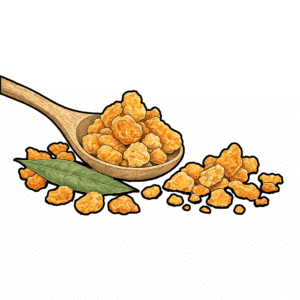 Resin Resin |
Resins are naturally occurring plant exudates with bioactive compounds that serve various roles, particularly in medicinal and aromatic uses. |

|
Roots and rhizomes are underground plant structures that store nutrients like carbohydrates and fiber. Common examples include sweet potatoes, turmeric, and ginger. They are used in nutrition for their role in providing energy, supporting digestion, and offering compounds with antioxidant or anti-inflammatory benefits. |

Follow the Research
Studies providing deeper insight into Plants
| Title | Information |
|---|---|
| Roles of plant-based ingredients and phytonutrients in canine nutrition and health | At a Glance The 2021 review article by Tanprasertsuk et al. synthesizes existing research to provide a clear picture of how natural compounds found in fruits, vegetables, and herbs—like carotenoids, polyphenols, and phytosterols—may support dogs' overall well-being. Connecting the Dots |

Dig Deeper
Q/A's related to Plants
| Title | URL | At a Glance |
|---|