
Green/ Woody Part



Overview
Nutritional Significance of Green and Woody Plant Parts for Dogs
The green and woody parts of plants—including leaves, stems, and grasses—represent a broad category of plant material that differs nutritionally from fruits, seeds, or roots. Examples include leafy greens (such as kale), grasses (such as miscanthus), and processed leaf materials (such as green tea leaves). These plant parts are not energy-dense foods, but they contribute structural carbohydrates, fiber, and bioactive plant compounds that can play supportive roles in canine diets.
Plants are green primarily because of chlorophyll, the pigment that enables photosynthesis. Chlorophyll itself is not an essential nutrient for dogs, but its presence signals tissues that are typically rich in cellulose, hemicellulose, lignin, and other structural plant fibers. These compounds form the framework of leaves and stems and are largely indigestible by dogs, yet they influence digestion through mechanical and fermentative effects in the gut.
Fiber as the Primary Nutritional Role
The most consistent nutritional contribution of green and woody plant parts for dogs is fiber. Compared with fruits or seeds, these plant tissues tend to be higher in insoluble fiber, which adds bulk and structure to intestinal contents. Some also provide smaller amounts of soluble fiber, depending on the plant and processing method.
In canine diets, this fiber can:
- Support stool formation and regularity
- Influence transit time through the digestive tract
- Contribute to a sense of fullness without adding significant calories
Ingredients like miscanthus grass are used almost entirely for their structural fiber, while leafy greens may provide fiber alongside trace micronutrients.
Micronutrients and Plant Compounds
Green and woody plant parts contain a range of vitamins, minerals, and phytochemicals not because they are designed to nourish animals, but because plants must chemically defend and regulate themselves. Many of the compounds humans and animals find “useful” in plants originally evolved to help the plant manage light exposure, pests, pathogens, and environmental stress.
For example, carotenoids help protect plant tissues from excess light and oxidative damage, flavonoids and polyphenols can deter insects and microbes, and compounds like catechins in green tea function as chemical defenses and stress-response molecules. These substances tend to accumulate in leaves, stems, and outer plant tissues—the parts most exposed to sunlight and environmental pressure—which is why green plant parts are often richer in phytochemicals than roots or fruits.
When animals consume these plant tissues, some of these compounds remain biologically active. In dogs, they are not essential nutrients, but they can interact with cellular pathways related to oxidative stress and inflammation.
Importantly, their presence in the diet is incidental rather than foundational: green and woody plant parts are typically included in small amounts, and dogs do not depend on them to meet core requirements for protein, fat, or essential minerals. Their nutritional role is best understood as supportive, adding minor micronutrients and plant-derived compounds alongside their more consistent contribution of fiber.
Digestibility and Processing Matter
The nutritional impact of green and woody plant parts depends heavily on processing. Raw leaves and stems are structurally tough and poorly digested by dogs. Grinding, drying, extracting, or steeping (as with teas) can change which components are accessible—shifting the ingredient’s role from a bulk fiber source to a carrier of specific plant compounds.
Because of this, these plant parts appear in dog foods and supplements in different forms:
- As fiber ingredients to influence stool quality and texture
- As minor inclusions contributing plant compounds
- As extracts or powders where specific phytochemicals are the goal
Dietary Context for Dogs
In the context of canine nutrition, green and woody plant parts are best understood as functional additions. They help shape digestive outcomes, contribute non-essential but potentially beneficial plant compounds, and influence food structure and formulation. They are not staples and do not replace animal-derived nutrients, but they play a defined supporting role within modern dog diets—particularly in formulations designed to manage digestion, stool quality, or dietary fiber levels.
Ecological Context: Dogs and Grass Eating
The consumption of grasses and other green plant material by dogs has been widely observed across environments and cultures, suggesting it is a common and normal behavior, not an anomaly. While domestic dogs are often framed nutritionally as meat-focused, their behavior reflects a broader canid pattern of opportunistic interaction with plant material, especially leaves and grasses.
In wild canids, ingestion of green plant matter—including grasses and leafy vegetation—has been documented through stomach contents and scat analyses. These materials may be consumed intentionally or incidentally during foraging, grooming of prey, or exploratory feeding. From an ecological perspective, this behavior aligns with canids’ generalist tendencies rather than with strict dietary specialization.
Why Dogs Eat Grass
Grass eating in dogs has been the subject of many hypotheses, but no single explanation accounts for all cases. Importantly, most dogs that eat grass do not appear ill beforehand, and many do not vomit afterward, challenging the idea that grass consumption is primarily a self-medication response.
Several functional explanations remain plausible:
- Sensory exploration: grass offers texture, moisture, and taste variety
- Fiber interaction: ingestion of fibrous plant material may influence gut motility or stool formation
- Instinctive behavior: inherited tendencies from ancestral canids that interacted regularly with plant matter
From a nutritional standpoint, grasses and similar green plant parts contribute structural fiber rather than digestible nutrients. Dogs lack the enzymes needed to break down cellulose, but the physical presence of plant fibers can still interact with the digestive tract.
Relationship to Green and Woody Plant Ingredients
The tendency of dogs to consume grass provides useful context for the inclusion of green and woody plant parts (such as grasses or leaf materials) in dog foods. Ingredients like miscanthus grass are not included to “feed” dogs in the traditional sense, but to replicate certain structural and mechanical properties of plant matter dogs naturally encounter—particularly fiber that shapes stool quality and digestive transit.
In this way, grass eating and the use of green plant fibers in formulated diets reflect the same underlying principle: these plant parts play a supportive, non-caloric role in canine nutrition. They are not dietary staples, but they interact meaningfully with digestion, behavior, and feeding patterns that are consistent with dogs’ ecological and evolutionary background.


Food Component Groups
 Ingredient sources group of Green/ Woody Part
| Image & Title | At a Glance |
|---|

Foods
Types of Green/ Woody Part
| Image & Title | At a Glance |
|---|---|

|
Kale is a dark leafy vegetable related to cabbage and broccoli. It contains vitamins, minerals, and natural plant compounds, which is why small amounts sometimes appear in dog foods, treats, and supplements. |
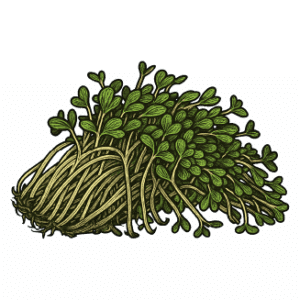 Alfalfa Alfalfa |
Alfalfa is a leafy legume plant known for its dense concentration of minerals, chlorophyll, vitamins, and plant phytonutrients. In dog nutrition, small amounts of alfalfa may appear in foods, supplements, and dental chews because the plant contributes trace nutrients and antioxidant compounds. When included in balanced formulas, alfalfa can support normal metabolic processes and nutrient diversity in a dog’s diet. Excessive amounts are unnecessary and may introduce excess fiber or mineral imbalance. |
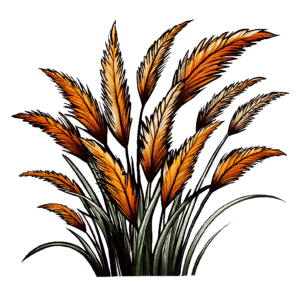
|
Miscanthus giganteus is a rhizomatous perennial grass rich in insoluble fiber, supporting digestive health by regulating stool consistency. It is grain-free, hypoallergenic, and eco-friendly, making it a sustainable fiber alternative in many dog diets. |

Follow the Research
Studies providing deeper insight into Green/ Woody Part
| Title | Information |
|---|

Dig Deeper
Q/A's related to Green/ Woody Part

Blog Articles
Articles related to Green/ Woody Part
| Featured Image Link | Blog Title | Blog_URL_Link |
|---|