
Microalgae



Overview
Microalgae in Dog Nutrition
Microalgae are microscopic, photosynthetic organisms that live in aquatic environments and form the foundation of marine ecosystems. Unlike seaweeds, which are large and multicellular, microalgae consist of single cells or simple cell clusters that grow suspended in water.
In dog nutrition, microalgae are not included as whole foods intended for protein, carbohydrates, or fat. Instead, they are cultivated and processed to provide concentrated marine-derived ingredients, most commonly oils and other bioactive compounds.
Microalgae in the Food Web
Microalgae sit at the base of the marine food web because they are primary producers. Using sunlight, carbon dioxide, and dissolved nutrients, they build the organic compounds that supply both energy and structure to marine ecosystems.
As microalgae grow, they produce a range of biologically important compounds, including:
- Lipids (fats) that store energy and form cell membranes
- Proteins and amino acids needed for growth and cellular function
- Pigments that capture light for photosynthesis
- Structural carbohydrates that make up cell walls
- Pigments, including astaxanthin, that are produced by microalgae and later used as concentrated supplement ingredients
These compounds allow microalgae to grow and reproduce, but they also become the raw materials of the marine food chain. Zooplankton and small grazers consume microalgae, fish consume those organisms, and larger marine animals consume fish. At each step, compounds originally made by microalgae are transferred upward through the ecosystem.
Because microalgae are the original producers of many marine-derived compounds, accessing them directly allows those compounds to be obtained at their source, rather than after multiple steps of accumulation through higher-level marine animals.
From a nutrition and ingredient perspective, microalgae represent the starting point of marine nutrient production. Instead of relying solely on animals that accumulated these compounds indirectly, microalgae can be cultivated and processed to provide consistent, controlled access to marine-derived ingredients.
How Microalgae Are Grown and Harvested
Most microalgae used in dog foods and supplements are cultivated rather than wild-harvested.
They are grown in:
- Closed fermentation tanks
- Controlled ponds
- Sealed aquatic systems designed to regulate light, nutrients, and growth conditions
After cultivation, microalgae may be:
- Harvested as whole biomass and dried
- Processed to extract specific compounds
- Refined into standardized ingredients for consistent use in foods and supplements
Controlled cultivation allows for predictable composition and reduces exposure to environmental contaminants compared to open-ocean sourcing.
Microalgae Used in Dog Nutrition
Schizochytrium
Schizochytrium is a marine microalga that is widely cultivated for use in animal and human nutrition. In dog foods and supplements, it is commonly used as a source organism for algal oil.
On labels, this may appear in different ways. Some products list the ingredient simply as algal oil, while others identify the source more specifically (for example, “algal oil from Schizochytrium”). When the source organism is disclosed, Schizochytrium is one of the most commonly named microalgae used for this purpose.
Because labeling requirements vary, the presence of algal oil does not automatically indicate which microalga was used unless it is stated.
Chlorella
Chlorella is a freshwater microalga that typically appears on labels as chlorella or chlorella powder.
It is included as a supplemental ingredient rather than as a primary nutrient source. Due to its naturally rigid cell wall, labels may also note processing methods intended to improve digestibility.
Other Microalgae You May See
Other microalgae, such as Nannochloropsis, Crypthecodinium, and Haematococcus, appear less frequently on consumer-facing labels. Haematococcus species are primarily known as natural sources of astaxanthin, a red-orange pigment produced by certain microalgae.
How Microalgae Ingredients Are Used
In dog nutrition, microalgae most often appear as:
- Algal oils extracted from cultivated microalgae
- Dried microalgae powders used in small amounts
- Standardized extracts that concentrate specific compounds
Dogs are not consuming microalgae as a primary food. Instead, microalgae serve as ingredient inputs, delivering marine-derived compounds in controlled and measurable forms.
Why Microalgae Are Used as an Alternative to Fish Oil in Dogs
Fish oil has traditionally been used in dog nutrition as a source of long-chain omega-3 fatty acids, particularly EPA (eicosapentaenoic acid) and DHA (docosahexaenoic acid). These fatty acids play structural and signaling roles in the body, especially in cell membranes, the nervous system, and inflammatory pathways.
What is often overlooked is that fish do not produce these fatty acids themselves. EPA and DHA originate in microalgae. Fish accumulate them by consuming algae directly or by eating smaller organisms that have already consumed algae.
Using microalgae as an ingredient shifts the sourcing point back to where these compounds are originally made. Instead of relying on accumulation through multiple steps in the marine food chain, algal oil delivers these fatty acids directly from the primary producer.
How Algal Oil Provides Omega-3s in the Dog’s Body
Algal oil functions in the dog’s body in the same fundamental way as fish-derived omega-3 oils. Once consumed, DHA and EPA are incorporated into cell membranes throughout the body.
Cell membranes are dynamic structures made largely of lipids. The types of fats incorporated into these membranes influence how flexible they are and how cells communicate. DHA, in particular, is highly concentrated in the brain and retina, where it supports membrane fluidity and signal transmission between neurons.
EPA plays a more direct role in signaling pathways. It serves as a precursor to compounds involved in the body’s inflammatory response. This does not mean it “reduces inflammation” in a simplistic sense. It means it shifts the types of signaling molecules the body produces, which can influence how inflammatory processes are initiated, maintained, and resolved.
When algal oil is used, these same fatty acids are delivered in a form the body recognizes and incorporates without needing conversion from shorter-chain precursors.
How Microalgae Compare to Fish Oil as an Ingredient Source
From a biological standpoint, both fish oil and algal oil deliver similar end nutrients when formulated correctly. The difference lies in how those nutrients are sourced and controlled.
Fish oil composition can vary depending on species, diet, season, and environmental conditions. Because fish sit higher in the food chain, they also accumulate compounds from their surroundings over time.
Microalgae, by contrast, are typically grown in controlled systems. Light exposure, nutrient input, and growth conditions are regulated to produce a more consistent fatty acid profile. This allows manufacturers to standardize DHA and EPA levels more precisely.
There are also formulation differences. Some algal oils are naturally higher in DHA, with lower levels of EPA unless specifically blended. This matters because different tissues in the dog rely on these fatty acids in different proportions.
From a formulation perspective, choosing between fish oil and algal oil is not simply about replacement. It involves deciding which fatty acids are being prioritized and how they will be delivered within the overall diet.
Key Takeaways
Microalgae are microscopic aquatic organisms that produce essential marine nutrients, including the omega-3 fatty acids DHA and EPA. In dog nutrition, they are used as concentrated ingredients, most often in the form of algal oils or extracts, rather than as whole food components.
These fatty acids originate in microalgae and enter the marine food chain as they are consumed by smaller organisms and then by fish. This means both fish oil and algal oil provide nutrients that come from the same biological source, but at different stages of the ecosystem.
In practical terms, microalgae function as a direct ingredient source for these compounds. They are cultivated, processed, and standardized to deliver specific nutrients, offering a controlled way to include marine-derived fatty acids in dog foods and supplements.


Food Component Groups
 Ingredient sources group of Microalgae
| Image & Title | At a Glance |
|---|

Foods
Types of Microalgae
| Image & Title | At a Glance |
|---|---|
|
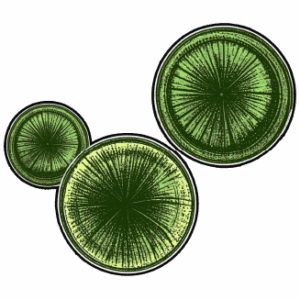
Schizochytrium is a marine microalgae used in dog nutrition as a sustainable and hypoallergenic source of omega-3 fatty acids, including DHA and EPA. Known for its bioavailability, it supports joint health, brain function, skin and coat health, and cardiovascular well-being. As an eco-friendly alternative to fish oil, Schizochytrium provides essential nutrients without the risk of contaminants, making it ideal for dogs with fish sensitivities. |

Follow the Research
Studies providing deeper insight into Microalgae
| Title | Information |
|---|

Dig Deeper
Q/A's related to Microalgae

Blog Articles
Articles related to Microalgae
| Featured Image Link | Blog Title | Blog_URL_Link |
|---|