
Carbohydrates


Overview
Understanding Carbohydrates in Dog Nutrition
Carbohydrates are nutrients made up of three elements: carbon, hydrogen, and oxygen. They include simple sugars, complex starches, and different kinds of fiber. These are all forms of carbohydrates, but they do not all behave the same way in the body. Some can be digested and turned into energy, while others pass through the digestive system and play more functional roles.
In animal nutrition, carbohydrates are often described mainly as energy sources. For dogs, this is only part of the story. Unlike humans and other species that rely heavily on plant foods, dogs do not have a specific need for carbohydrates in their diet. Their bodies are very good at making their own glucose, the sugar that fuels cells, from protein and fat. This process is called gluconeogenesis. Because of this, dogs can stay healthy and active even when their diet contains little or no carbohydrates.
Even though dogs do not need carbohydrates, these nutrients still appear in most dog foods. They are included for many reasons: to provide energy, to add texture, and to support digestion and overall wellness. Certain kinds of carbohydrates can improve stool quality, help maintain a balanced gut microbiome, and influence immune function.
To better understand carbohydrates in a dog’s diet, it helps to think of them as falling into two broad groups. Energy carbohydrates (like starches and sugars) can be broken down into glucose and used for fuel. Functional carbohydrates (like fiber, prebiotics, and beta-glucans) serve other important purposes, such as supporting digestion and immune health, rather than providing energy.
Why Carbohydrates Are Common in Dog Diets
Most commercial dog foods contain a moderate to high amount of carbohydrates. This is mostly because carbohydrates are useful for making kibble and for keeping the cost of food reasonable, not because dogs biologically need them. Starches are especially important in the kibble-making process, called extrusion. During extrusion, the mixture is heated and pressurized. The starches swell and soften, then harden as they cool. This change gives kibble its familiar crunchy shape and texture. Without starch, the pieces would not hold together or puff up properly.
Carbohydrates also provide an easy and inexpensive source of energy. They supply calories that help meet a dog’s energy needs while keeping the food affordable. Because of this, many commercial dog foods depend on carbohydrate ingredients for both structure and energy, even though dogs can technically meet their energy needs through fat and protein instead.
Energy Carbohydrates: Starch and Sugar
Energy carbohydrates are the forms of carbohydrate that the body can break down and use for fuel. The two main kinds are starches and simple sugars. Both are made of sugar molecules, called saccharides, which contain carbon, hydrogen, and oxygen. What makes them “carbohydrates” is this repeating chemical structure that stores energy in bonds the body can later unlock.
Simple sugars, such as glucose, fructose, and sucrose, are small, individual molecules that the body can absorb quickly. They provide fast, short-term energy but do not last long. In dog food, naturally occurring sugars can come from fruits, vegetables, or dairy ingredients. Added refined sugars are uncommon and not nutritionally necessary for dogs.
Starch is a complex carbohydrate built from many glucose units linked together. It is found in ingredients like rice, oats, barley, potatoes, peas, and lentils. When starch is cooked, its structure softens and swells, allowing digestive enzymes to reach and break it apart into glucose. This glucose then supplies energy for movement, body heat, and normal metabolism. Starch that has been cooked and then cooled can change shape to form resistant starch, which behaves more like fiber and is not digested for calories.
In most commercial dog foods, starch serves two main roles: it provides a source of calories, and it acts as a functional ingredient that helps kibble hold its shape during processing. During extrusion, the mixture of ingredients is heated and pressurized. The starch granules expand and harden as they cool, creating the familiar crunchy structure of kibble.
Not all diets depend on starch for energy. Some pet parents choose foods that rely more heavily on protein and fat as fuel, reflecting a species-appropriate fresh food approach. These diets may be raw, fresh, or lightly cooked, and often limit starchy ingredients to reduce total carbohydrate content. Even so, many still include small amounts of low-starch vegetables or other carbohydrate sources to provide fiber and beneficial phytonutrients.
For dogs that are highly active or perform endurance work, digestible carbohydrates like starch can be valuable for quick or sustained energy. For less active dogs, those calories are less necessary and can contribute to weight gain if energy intake is not balanced. The usefulness of energy carbohydrates therefore depends on the individual dog’s activity level, body condition, and the overall composition of the diet.
Functional Carbohydrates: Fiber, Beta-Glucans, and Prebiotics
Some carbohydrates serve purposes other than providing energy. These are often called functional carbohydrates because they support health in ways that go beyond simple calorie supply. They are most commonly found in plant materials and mushrooms. Functional carbohydrates can influence how the digestive system works, how the gut microbiome develops, and how the immune system responds. Examples include fiber, beta-glucans, and prebiotics.
Fiber is a familiar example of a functional carbohydrate. It comes from the structural parts of plants and is largely indigestible. Even though the body cannot use fiber directly for energy, it is essential for healthy digestion. Soluble fiber dissolves in water to form a gel-like substance that slows the movement of food and sugar absorption. It can also be fermented by gut microbes, which produce short-chain fatty acids that nourish the cells lining the colon and help maintain the intestinal barrier. Insoluble fiber does not dissolve in water; it adds bulk to the stool, supports regular elimination, and promotes natural intestinal movement. Both forms contribute to overall digestive balance and comfort.
Beta-glucans are complex carbohydrate molecules found in sources such as mushrooms, yeast, oats, and barley. They interact with specialized receptors on immune cells, helping the immune system stay alert but balanced. Rather than stimulating immunity outright, beta-glucans help fine-tune immune activity, improving the body’s ability to respond to challenges while reducing the likelihood of unnecessary inflammation.
Prebiotics are fermentable carbohydrates that act as food for beneficial bacteria in the gut. Examples include inulin, fructo-oligosaccharides (FOS), mannan-oligosaccharides (MOS), and xylo-oligosaccharides (XOS). When these compounds are broken down by gut microbes, they encourage the growth of healthy bacterial populations and the production of short-chain fatty acids. This fermentation process supports digestion, strengthens the gut barrier, and contributes to consistent stool quality and overall digestive balance.
Functional carbohydrates highlight the idea that not all carbohydrates act as fuel.
Do Dogs Need Carbohydrates in Their Diet?
Dogs do not have a strict nutritional requirement for carbohydrates, meaning they can survive and stay healthy without them. However, the presence or absence of carbohydrates in a diet can still influence how a dog digests, absorbs, and uses other nutrients.
Discussions about species-appropriate or ancestral feeding often focus on lowering carbohydrates. This approach is based on the fact that dogs are facultative carnivores: they are adapted to eat primarily animal-based foods but can also use nutrients from plants when available. Their metabolism is flexible and does not depend on carbohydrates as a fuel source. Dogs can create their own glucose from protein and fat, which means they can live healthily with very little dietary starch.
However, completely avoiding carbohydrates can sometimes remove compounds that have other important roles. While digestible carbohydrates like starch mainly provide energy, functional carbohydrates such as fibers, beta-glucans, and prebiotics contribute to gut and immune health. Diets that limit starch can still include ingredients such as low-starch vegetables, mushroom extracts, or specific prebiotic fibers to support these functions. In this way, a diet can remain low in carbohydrate energy but still supply beneficial carbohydrate types.
In modern feeding, the amount and type of carbohydrate vary widely depending on how the food is made. Raw and fresh diets tend to be low in starch but may include fibrous vegetables or added prebiotics for digestive balance. Extruded or baked foods, like most kibble, contain higher starch levels because starch is needed for structure during processing. Understanding these differences helps explain why the carbohydrate content of dog food is not only about nutrition but also about formulation and manufacturing.
When evaluating carbohydrates in a diet, it is important to consider both quantity and purpose. The focus should not be only on how much carbohydrate is present, but also on which forms are used and why they are included—whether for energy, for structure, or for digestive and immune support. Understanding this distinction prevents oversimplification: low starch is not the same as no carbohydrate, and different carbohydrate forms can serve very different roles in a dog’s overall nutritional balance.
The Role of Enzymes in Carbohydrate Digestion
Dogs naturally produce digestive enzymes that help break down food into smaller, absorbable components. One of the key enzymes involved in carbohydrate digestion is amylase, which splits starch into simple sugars that can be used for energy. In dogs, most amylase activity occurs in the small intestine, where it is secreted by the pancreas. Unlike humans, dogs have very little amylase in their saliva, so starch digestion begins later in the digestive process.
After amylase begins breaking down starch, other enzymes—such as maltase, sucrase, and lactase—continue the process by converting those sugars into glucose and other small molecules that can be absorbed into the bloodstream. Together, these enzymes allow dogs to digest and use carbohydrates effectively when they are present in the diet.
Some pet foods and supplements include added digestive enzymes, such as extra amylase, to support this natural process. Supplemental enzymes can improve the digestion of starchy ingredients in diets where carbohydrates make up a larger portion of calories, or when a dog’s own enzyme activity is lower due to age, health status, or digestive sensitivity.
In certain clinical situations, such as exocrine pancreatic insufficiency (EPI), enzyme products are prescribed to replace the dog’s own pancreatic enzymes. In these cases, the supplemental enzymes perform the same functions that the body would normally carry out. In other situations, where enzyme production is normal, supplements act as additional support rather than replacement.
The usefulness of enzyme products depends on the individual dog, the type of diet, and the quality and stability of the enzyme preparation. When used appropriately, they can enhance digestion and nutrient absorption across a variety of feeding styles.
Key Takeaways
Carbohydrates are a broad and varied nutrient group that includes sugars, starches, fibers, and other complex compounds. Dogs do not have a true dietary requirement for carbohydrates because they can make glucose from protein and fat, yet carbohydrates remain common in commercial diets for both functional and practical reasons. They contribute energy, structure, and texture to foods such as kibble, while certain forms, like fiber, beta-glucans, and prebiotics, also provide digestive and immune support.
Understanding the difference between energy and functional carbohydrates is key. Starches and sugars are digestible sources of fuel that can help meet the needs of active dogs but may be unnecessary in large amounts for less active ones. Fibers, prebiotics, and beta-glucans serve non-energy functions: they support gut motility, microbial balance, and immune resilience. These functional forms remain beneficial even in low-starch diets that rely more on protein and fat for energy.
The way carbohydrates behave depends on their type, preparation, and the dog’s individual metabolism. Dogs digest carbohydrates with enzymes such as amylase, maltase, and sucrase, and supplemental enzymes can assist when diets are high in starch or when natural enzyme activity is reduced. Evaluating carbohydrates in any diet requires considering both quantity and purpose—whether they are included for calories, for structure, or for health benefits—rather than viewing them as simply good or bad.


Nutrient Types
 Nutrient Types of Carbohydrates
| Image & Title | At a Glance |
|---|---|
 Starch Starch |
Starch is a complex carbohydrate that breaks down into glucose for sustained energy. Found in grains, legumes, and root vegetables, it is digested more slowly than sugars. Some dogs tolerate starch well, while others may benefit from lower-carb diets, particularly if they have metabolic conditions. |
| Sugars |
Sugars are simple carbohydrates that provide quick energy but can cause blood sugar spikes if consumed in excess. Naturally found in fruits and dairy, they are rapidly absorbed and used for immediate fuel. While not essential in a dog's diet, small amounts from whole foods can be part of a balanced nutrition plan. |
|
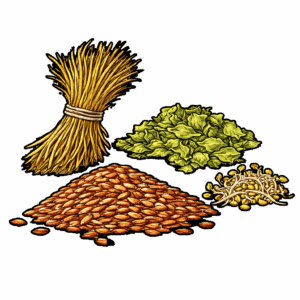
Fiber is an indigestible carbohydrate that supports digestion, stool consistency, and gut health. While dogs do not digest fiber for energy, it plays a crucial role in maintaining a balanced gut microbiome and regulating bowel movements. Found in ingredients like pumpkin, flaxseed, and miscanthus grass, fiber is commonly included in dog diets for its digestive benefits. |

Follow the Research
Studies providing deeper insight into Carbohydrates
| Title | Information |
|---|---|
| Effects of increasing levels of purified beta-1,3/1,6-glucans on the fecal microbiome, digestibility, and immunity variables of healthy adult dogs | At a Glance A 2024 feeding trial in healthy adult dogs tested purified beta-1,3/1,6-glucans sourced from yeast. At a 0.14% inclusion in dry food, dogs showed improved protein digestibility, a microbiome shift toward generally beneficial bacteria, and a small uptick in an immune balance marker, with no adverse clinical effects noted. The authors frame beta-glucans as a family of fibers also found in fungi such as mushrooms, so these yeast results help inform the broader beta-glucan conversation. Connecting the Dots |

Dig Deeper
Q/A's related to Carbohydrates
| Title | URL | At a Glance |
|---|---|---|
| What’s the difference between prebiotics and probiotics for pets? | https://www.bernies.com/university/dig-deeper/whats-the-difference-between-prebiotics-and-probiotics-for-pets/ | Every dog already has a community of helpful bacteria and yeast living in the gut. Probiotics are supplements that add selected live, beneficial microbes to that community. Prebiotics are supplements made of specific fibers that those beneficial microbes use as food. They do different jobs and often work better together. |

Blog Articles
Articles related to Carbohydrates
| Featured Image Link | Blog Title | Blog_URL_Link |
|---|