

What Is Nutrient Absorption in Dogs?
Canine nutrient absorption is just what it sounds like–it’s the absorption of nutrients from the food you give your dog. Every dog food is made to supply your dog with the appropriate vitamins, minerals, proteins, fats and nutrients.
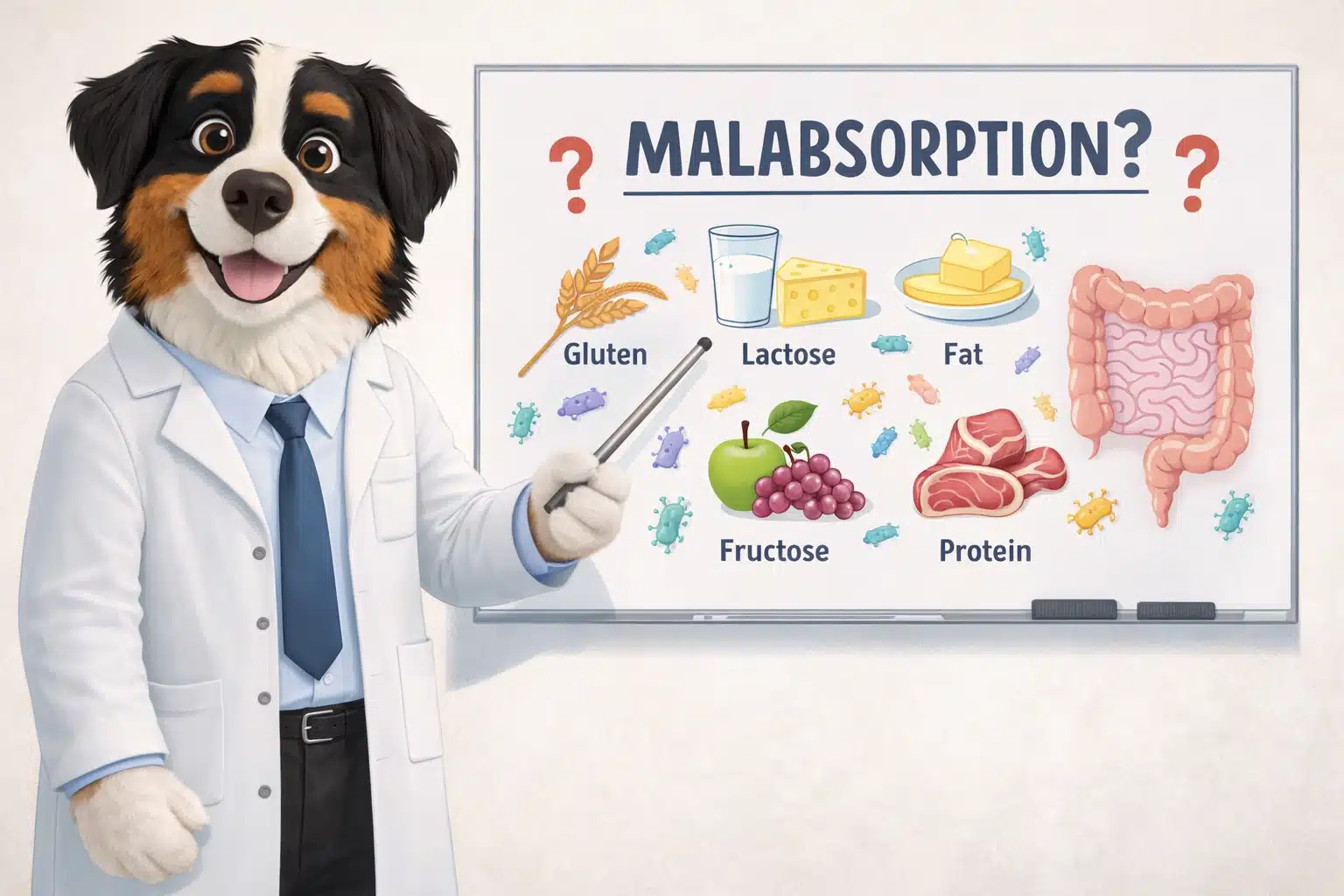
But more often than not, your dog isn’t absorbing all the nutrients it should, and they’re suffering from the effects of nutritional intestinal malabsorption in dogs. That’s the fancy way of saying they’re just not absorbing the nutrients from the food you feed, and that means they’re not fueling their bodies appropriately. At its base definition, intestinal malabsorption in dogs is the lack of nutrient absorption in dogs based on some chronic issue with their small intestine and how it’s preventing proper nutrient absorption.
What Is Malabsorption in Dogs?
That’s why it’s important to take a moment to look deeper at malabsorption in dogs. This issue can lead to a series of health complications, including chronic diarrhea, weight loss, inflammatory bowel disease and nutrient deficiencies, which could affect your dog’s overall health and vitality. Not to mention, chronic diarrhea and inflammatory bowel disease are no fun for you to clean up after, either.
Malabsorption can occur due to many reasons, such as small intestinal disease, inflammatory bowel, liver disease, pancreas issues or parasitic infections. It can also result from bacterial overgrowth in the small intestine or small intestinal bacterial overgrowth (SIBO), interrupting the normal nutrient absorption process.
What Can Cause Malabsorption in Dogs?
When your dog isn’t getting all the nutrients from his food that they’re supposed to get, there are several other reasons this could be. Most all deal with your dog’s gut health and whether or not the gut is in poor shape. When your dog’s gut is not healthy, it’ll suffer from an overgrowth of bacteria that line the intestinal walls. This will absolutely prevent intestines from absorbing the nutrients from food, and fueling his body.
Sometimes, this will start even with the food you give your dog. Even the best and most expensive foods are often highly processed. As a result, many of the nutrients may be harder to absorb, which means your dog only gets some of what you think he’s getting from that expensive food. If your dog’s gut is unhealthy, this is often when diarrhea occurs, which prevents them from getting maximum nutrition from their food because it just runs through their digestive system too quickly.
An unhealthy dog gut also means that your dog may not create enough digestive enzymes to help break the food you give him down more for optimal absorption.
Other times, poor canine nutrient absorption can happen because their intestinal lining is inflamed. Whether it’s a food sensitivity or allergic reaction or even an infection or internal trauma–if there is inflammation in your dog’s intestinal lining, they’ll not absorb nutrients appropriately.
In some instances, lack of nutrients in dogs can be more chronic and therefore, impacting, and can result in canine intestinal malabsorption.
Understanding the underlying causes of malabsorption can be the key to effectively managing and preventing this condition. Certain breeds, like the German shepherd, are more prone to malabsorption issues. They’ve been known to have a predisposition to chronic inflammatory gastrointestinal tract conditions, which can lead to malabsorption.
In addition to breed predispositions, other factors can lead to malabsorption in dogs. These include:
- Infections: Viral and fungal infections can damage the intestinal lining, disrupting the process of nutrient absorption.
- Pancreatic Enzymes Deficiency: Insufficient pancreatic enzymes can impede the digestion and absorption of nutrients in the gastrointestinal tract.
- Dietary Sensitivity: As we’ve said, some dogs might have an adverse reaction to certain types of food, which lead to malabsorption issues.
- Chronic Disease and Inflammation: Conditions like inflammatory bowel disease can cause chronic inflammation, affecting the normal functioning of the intestinal absorption process.
Idiopathic villous atrophy in their small intestines (that’s a mouthful!) can also cause malabsorption in dogs. Villi are impossible to see with the human eye, and they are the absorption surface of your dog’s bowel, little hairlike structures that bring the food into the wall. If they’re doing poorly, canine nutritional absorption is also suffering.
If your dog suffers from chronic canine leaky gut (canine dysbiosis), their small intestine can be overridden with non-beneficial bacteria, preventing proper absorption. Fungus or parasites can also cause intestinal malabsorption, as can shortened bowels (bowel portions removed due to illness or damage) and cancer. Bottom line? If your dog’s gut is not healthy, for whatever reason, they’re not going to be getting all the nutrients they need.
Inflammatory Bowel Disease and Mucosal Damage
Inflammatory bowel disease is one of the most common digestive diseases linked to malabsorption in dogs. When inflammatory cells infiltrate the lining of the small intestine, they cause significant mucosal damage over time. This damage disrupts both intraluminal digestion and mucosal digestion, meaning food isn’t properly broken down before it even reaches the absorption stage. The result is a chronic cycle of intestinal disease that prevents the intestinal tract from doing its job. Affected dogs may lose weight steadily, even while eating normal or above-normal amounts of food.
Exocrine Pancreatic Insufficiency (EPI)
Exocrine pancreatic insufficiency, commonly referred to as EPI, is one of the most significant and frequently overlooked causes of malabsorption in dogs. When a dog has EPI, their pancreas doesn’t produce enough digestive enzymes to break down food properly. Without adequate pancreatic enzymes, the dietary components that should be absorbed through the small bowel pass through largely undigested, leading to defective uptake of nutrients and, over time, severe weight loss and nutritional deficiencies.
Dogs with exocrine pancreatic insufficiency often display a ravenous appetite paired with rapid weight loss, since each dietary constituent resulting from incomplete digestion is lost rather than absorbed. Vets typically prescribe a pancreatic extract to supplement the enzymes the pancreas can no longer produce on its own, which helps restore proper digestion and nutrient absorption. Pancreatic insufficiency is manageable with the right veterinary support, so early diagnosis matters.
If you suspect EPI, veterinary advice is essential to get a proper diagnosis and treatment plan, since the clinical signs of exocrine pancreatic insufficiency EPI overlap with several other digestive conditions and can be easy to misread without testing.
Bacterial Overgrowth and Intestinal Bacterial Overgrowth (SIBO)
Bacterial overgrowth in the small intestine, often referred to as small intestinal bacterial overgrowth (SIBO), is a major contributing factor to malabsorption in dogs. When bad bacteria multiply beyond normal levels in the small intestine, they interfere with the absorption of dietary components and disrupt the normal gut environment. Small intestinal bacterial overgrowth SIBO often causes ongoing diarrhea, weight loss, and foul-smelling stools, and it can worsen other underlying conditions like inflammatory bowel disease.
Affected dogs with intestinal bacterial overgrowth SIBO may also show signs of leaky gut syndrome, where the intestinal barrier becomes permeable and allows harmful substances to pass into the bloodstream, compounding the problem. In these cases, restoring healthy bacterial balance in the gut is central to resolving malabsorption.
Antibiotic Responsive Diarrhea
Antibiotic responsive diarrhea is a specific form of small intestinal disease in dogs that, as the name suggests, responds to antibiotic treatment. It’s often associated with changes in the gut microbiome or bacterial overgrowth in the small bowel. Dogs with antibiotic responsive diarrhea tend to improve within a few weeks of starting antibiotic therapy, though identifying and addressing the underlying cause is important to prevent the cycle from repeating. This condition is particularly common in breeds already prone to gastrointestinal issues and causing malabsorption as a secondary effect.
Food Sensitivities and Digestive Diseases
Food sensitivities are a surprisingly common trigger for malabsorption in dogs. When a dog reacts adversely to a specific dietary constituent, the chronic inflammation that follows can cause lasting damage to the intestinal lining. In some cases, a gluten free diet may be recommended by a vet, particularly for breeds genetically prone to sensitivity to gluten-containing ingredients. Intestinal infections from various infectious agents can produce similar effects, leading to malabsorption through ongoing inflammation and defective uptake at the absorption surface.
Pet parents should be mindful of the connection between recurring digestive issues and what their dog eats on a daily basis. Even if the dog’s diet looks balanced on the surface, an unidentified sensitivity could be the underlying cause of persistent health issues and a key driver of causing malabsorption over time.
Common Symptoms and Clinical Signs
If your dog suffers from an unhealthy gut, it’s not absorbing nutrients properly. That’ll show itself in a hoard of different symptoms. Some include:
- Weight loss (though constant eating)
- Flatulence (usually pretty gross-smelling too)
- Vomiting
- Constipation
- Diarrhea
- Depression
- Abdominal pain/rumbling tummy
- Super-smelly poop
- Lethargic
- Eating unusual things
Any of these symptoms might be a great indicator that your dog is not getting all the nutrients it needs from the food you give him, and you’ll want to be sure to supplement appropriately.
Some affected dogs may also lose weight rapidly, which is a key red flag that something is wrong with how their intestinal tract is functioning. In severe cases, rapid weight loss can set in within just a few weeks of the condition going untreated.
Diagnosis of Malabsorption in Dogs
If you suspect your dog might be suffering from malabsorption, the first step may be to seek professional help. Your vet may recommend various diagnostic tests to pinpoint the exact cause of the intestinal malabsorption. Here are some of the potential diagnostic methods they may use:
- Fecal Cultures: This helps identify bacterial or parasitic infections that might be affecting your dog’s digestive tract, specifically canine intestinal malabsorption.
- Ultrasound: A non-invasive method to get a visual representation of the dog’s internal organs, helping to detect any abnormalities.
- Endoscopy and Biopsies: These methods involve using specialized instruments to view the internal sections of the gastrointestinal tract and collect tissue samples for further analysis.
- Full Thickness Bowel Biopsies: In more severe cases, this type of intestinal biopsy may be necessary to gather detailed information about the state of the intestinal lining.
How Can I Help My Dog Absorb Nutrients?
When it comes to dog intestinal malabsorption issues, the good news is that you can usually do something about it pretty easily. Recovery often includes a holistic approach that combines dietary modifications with medical intervention as needed. Here are some tips to help your dog’s intestinal malabsorption:
- Dietary Modification: Opting for the best food for malabsorption in dogs is crucial. This might involve transitioning to a diet that is easier on their digestive system, potentially alleviating symptoms of diarrhea and weight loss.
- Support and Care: Providing a loving and supportive environment for your dog during this time can significantly affect their recovery process.
- Medication: If needed, administer any prescribed medication diligently as advised by the vet to tackle underlying diseases that might be causing the malabsorption.
- Regular Vet Visits: Keeping up with regular vet appointments will help monitor your dog’s progress and make necessary adjustments to the treatment plan.
Nutrition: The Key Element of Malabsorption in Dogs
Malabsorption can take a toll on your dog’s body, sapping them of vital nutrients and energy. That’s why choosing the right food becomes essential to their recovery journey and overall health. When it comes to selecting the best food for malabsorption in dogs, your vet may help guide you in your dog’s nutrient absorption needs.
Generally, foods that are easy to digest and rich in essential nutrients can aid in recovery. These might include:
- High-Quality Protein Sources: Foods that contain high-quality proteins to support muscle maintenance and overall health are always list-toppers.
- Fiber-Rich Diet: Incorporating a fiber-rich diet can assist in regulating bowel movements, potentially reducing symptoms of chronic diarrhea.
- Easily Digestible Carbohydrates: Choose foods that have easily digestible carbohydrates to prevent further gastrointestinal tract irritation and help prevent weight loss.
- Supplements: Depending on the severity of the malabsorption, your vet might recommend certain supplements to compensate for the nutrients your dog is not absorbing adequately. Of course, we believe that daily supplementation may help optimize nutrient absorption in the first place.
Some pet parents also explore a raw diet for dogs with digestive conditions, though this approach requires careful veterinary advice before implementing. A raw diet can introduce its own set of risks for dogs with compromised immune function or active gastrointestinal disease, so veterinary advice is essential before making any significant change to your dog’s nutrition.
The Importance of Good Gut Health in Dogs
A healthy gut is the cornerstone of overall well-being, not just for humans but for our furry best friends as well. Good dog gut health is critical to ensuring your dog can absorb the nutrients they need from their food efficiently. This is what keeps them healthy, energetic and happy. A well-functioning digestive system serves as the first line of defense against various illnesses, as it’s home to all the beneficial bacteria that help ward off infections and maintain a robust immune response.
The gut’s lymphatic system also plays a crucial role in nutrient absorption. It helps transport fat-soluble nutrients absorbed through the small intestine into the bloodstream, and when malabsorption disrupts this pathway, even well-fed dogs can fall short on essential fatty acids and vitamins. This is another reason why keeping the gut healthy isn’t just about digestion, it’s about the whole body working properly.
A high quality probiotic, used consistently as part of a daily routine, can help maintain the balance of beneficial bacteria in the gut and support your dog’s natural digestive processes. When the gut microbiome is balanced, it’s far better equipped to prevent bacterial overgrowth, manage inflammation, and keep nutrient absorption running smoothly.
Fiber: Facilitating Optimal Nutrient Absorption
The role of fiber in ensuring the smooth functioning of your dog’s digestive system cannot be stressed enough! It helps in maintaining a healthy balance of gut flora. That’s crucial in preventing bacterial overgrowth and other gastrointestinal tract conditions. With a fiber-rich diet, your dog forms nice and firm poops as waste goes through the digestive tract, reducing the chances of diarrhea. The perfect blend of soluble and insoluble fiber may significantly help manage and prevent malabsorption issues in dogs.
When incorporating fiber into your dog’s diet, opting for high-quality sources backed by science and proven to help is essential. Ingredients like Miscanthus grass, pumpkin, and flaxseed are all excellent ingredients and why we use them in Perfect Poop. They’re vital in promoting optimal nutrient absorption and fostering a healthy and happy dog.
Bernie’s Perfect Poop and Gut Health
Incorporating supplements like Bernie’s Perfect Poop is a step in the right gut health direction. We created it for our own dogs and formulated it with high-quality ingredients that are known to foster optimal gut health and potentially help malabsorption in dogs. We looked for the cleanest and best pre-and probiotics, digestive enzymes and fiber sources:
- Miscanthus grass: One of the standout ingredients in Bernie’s Perfect Poop is miscanthus grass. This unique ingredient is known for its high fiber content, which supports regular bowel movements and promotes a healthy digestive system and fewer situations of chronic diarrhea. It acts as a prebiotic, helping beneficial bacteria in the gut grow, and that’s vital in combatting things like small intestinal bacterial overgrowth, a common cause of malabsorption.
- Pumpkin and Flaxseed: Bernie’s Perfect Poop also contains pumpkin and flaxseed, both excellent dietary fiber sources. Pumpkin is well-known for its ability to soothe irritated bowels, relieving symptoms associated with malabsorption like chronic diarrhea and weight loss. Flaxseed also offers a rich source of omega-3 fatty acids, which promotes healthy gut lining and reduces inflammation in the gut.
Being on top of your dog’s gut health is the game-changer when it comes to helping prevent and manage malabsorption in dogs. Adding Bernie’s Perfect Poop to every fiber-rich meal you give can help ensure that their food moves through their system at the perfect speed for optimal nutrient absorption. That’s what helps keep them strong, healthy, and full of energy–for a happier, more fulfilled life!
Frequently Asked Questions
Can gastrointestinal parasites cause my dog to lose weight even if they’re eating normally?
Yes, and it’s one of the more common reasons a dog continues to lose weight despite a healthy appetite. Intestinal parasites compete directly with your dog for nutrients inside the digestive tract, which means the food your dog eats is only partially benefiting them. Over time, this leads to noticeable weight loss, low energy, and other symptoms that look a lot like general malabsorption. If your dog is losing weight without an obvious reason, intestinal parasites should be on your vet’s diagnostic checklist.
What is leaky gut syndrome in dogs, and how does it connect to malabsorption?
Leaky gut syndrome happens when the lining of the intestinal wall becomes compromised, allowing partially digested particles and harmful substances to pass into the bloodstream. In a healthy gut, the intestinal wall acts as a selective barrier, but when that barrier breaks down, two things happen: absorption of actual nutrients becomes less efficient, and the body mounts an immune response to the foreign particles that got through. The resulting inflammation worsens the condition, creating a cycle that makes leaky gut syndrome one of the trickier root causes of malabsorption to resolve. Supporting gut integrity with quality fiber, prebiotics, and probiotics is a key part of managing it.
Does exocrine pancreatic insufficiency (EPI) always require lifelong treatment?
In most cases, yes. Exocrine pancreatic insufficiency EPI is typically a chronic condition, meaning the pancreas isn’t going to start producing adequate enzymes on its own again. The good news is that dogs with exocrine pancreatic insufficiency EPI can live full, healthy lives when the condition is well-managed. Treatment usually involves adding a pancreatic enzyme supplement to every meal, and some dogs also benefit from dietary adjustments that reduce the digestive burden. Frequent meals, rather than one or two large servings per day, can help too, since smaller portions are easier for a compromised digestive system to process. With consistent care and regular vet check-ins, most dogs with EPI do well long term.
What is small intestine bacterial overgrowth, and is it the same as SIBO?
Small intestine bacterial overgrowth and SIBO refer to the same condition. It’s when bacteria multiply in greater numbers than normal in the small intestine, interfering with digestion and nutrient absorption. The small intestine is supposed to have relatively low bacterial counts compared to the large intestine, so when that balance shifts, it disrupts the normal absorption process significantly. It is often secondary to another underlying condition, like inflammatory bowel disease or exocrine pancreatic insufficiency, so treating the root cause is just as important as addressing the bacterial imbalance itself.
What is shortened bowel syndrome in dogs?
Shortened bowel syndrome occurs when a portion of the small intestine has been surgically removed, usually because of serious injury, cancer, or a bowel obstruction. With less intestinal surface area available, the dog’s body simply has fewer cells capable of absorbing nutrients, which makes malabsorption unavoidable to some degree. Dogs with shortened bowel syndrome often need frequent meals throughout the day to compensate, since smaller, more regular portions give the remaining bowel the best chance of absorbing as much as possible. Nutritional support and close veterinary monitoring are especially important for these dogs.
How does villous atrophy affect my dog’s ability to absorb nutrients?
The villi are tiny, finger-like projections that line the wall of the small intestine, and they’re responsible for pulling nutrients out of digested food and into the body. Villous atrophy is the deterioration or flattening of these structures, which dramatically reduces the absorptive surface area of the gut. When it is present, it doesn’t matter how nutritious a dog’s food is, the physical structures needed to absorb those nutrients are compromised. It’s most commonly associated with chronic inflammatory conditions, food sensitivities, or infections, and it can be confirmed through intestinal biopsy. Addressing the underlying trigger, combined with gut health support, is the foundation of managing villous atrophy.
Are there other symptoms of malabsorption that owners often miss?
Definitely. While diarrhea and weight loss get most of the attention, other symptoms of malabsorption can be just as telling. A dull, thinning coat is one of the more visible signs, since skin and coat health depend heavily on proper fat and protein absorption. Some dogs develop a pot-bellied appearance due to fluid accumulation linked to protein deficiency. Muscle wasting, unusual cravings (like eating grass or soil), and recurring gas that’s noticeably worse than normal are other symptoms worth flagging to your vet. Because these other symptoms overlap with a lot of different conditions, malabsorption is sometimes missed until a dog has been dealing with it for a while.