

The Canine Gut: A Microbial Universe
Imagine a crazy populated city within your dog’s gut, where trillions of microorganisms – bacteria, fungi, viruses – live and thrive. This microbiota is not just a passive community; it’s actively involved in digestion, nutrient absorption, and even the immune system. The harmony of this ecosystem is delicate, easily disrupted by factors like diet, environment, and especially medications like antibiotics. An imbalance here, known as dysbiosis, can lead to a ton of health issues, ranging from digestive upset to more serious conditions. Recent research has shed light on this complex interaction. A study from the Journal of Animal Science and Biotechnology highlights how a dog’s gut microbiome is intricately linked to its overall health, affecting everything from energy levels to mood. It’s a reminder that the health of our dogs is deeply rooted in this unseen world.
For the gut to function properly, the balance of beneficial microorganisms must be maintained. When that balance tips, beneficial microbes are outnumbered by potential pathogens, and the digestive tract can struggle to do its job. That’s where both probiotics and antibiotics enter the picture – each with a distinct and important role in keeping your dog’s gastrointestinal system on track.
Probiotics: The Guardians of Gut Health
So, when talking about dog probiotics and antibiotics, we start with probiotics. They’re often hailed as the guardians of gut health. They are live, beneficial bacteria that can do wonders for your dog’s digestive system when the right strains are ingested in the right amounts. They’re like new, friendly residents moving into the gut’s city, helping to restore balance. Probiotics aid digestion, support the immune system, and even combat harmful bacteria. The benefits of probiotics in dogs have been backed by science. A pivotal study in the Veterinary Microbiology journal demonstrated how certain strains of probiotics can effectively manage and prevent diarrhea in dogs, a common ailment that troubles many pet owners. But the role of probiotics isn’t just limited to treating symptoms. They’re also about maintaining a healthy gut environment, especially after it has been compromised.
One of the most studied probiotic strains in veterinary medicine is Enterococcus faecium, which has been shown to support balanced microbial populations in dogs. The benefits of probiotic use go beyond simple digestion – regular probiotic supplementation can help produce short chain fatty acids in the gut, which support the intestinal lining and contribute to a stronger immune response. These fatty acids also create an environment that is less hospitable to bad bacteria, making it harder for harmful organisms to take hold.
Antibiotics: The Necessary Disruptors?
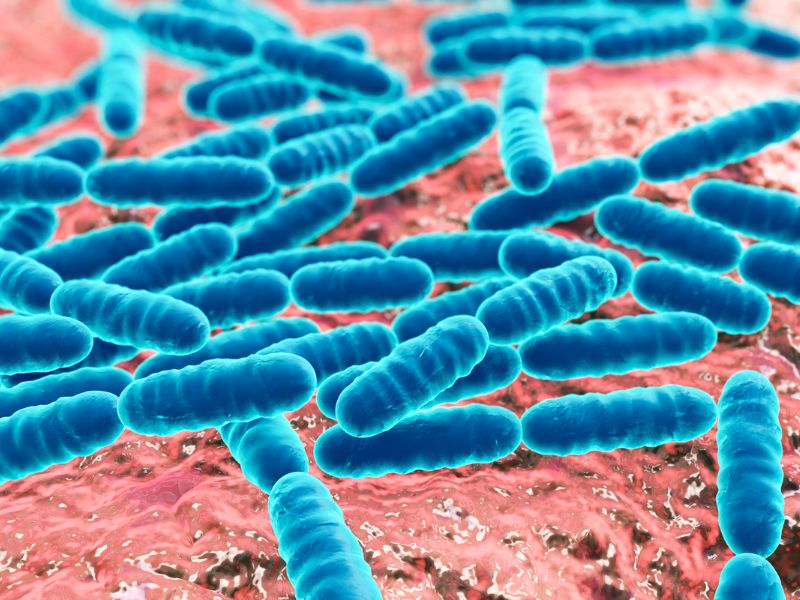
Antibiotics are often the only line of defense in treating bacterial infections in dogs. A bacterial infection is one where the harmful bacteria just overwhelms the good. Antibiotics attack harmful bacteria, safeguarding your pet from potentially life-threatening conditions. However, their work is like that of a double-edged sword. While targeting the bad bacteria, they often inadvertently wipe out some of (usually most) the good ones too. This disruption can leave a dog’s gut a hot mess and open them up to even more severe issues. The impact of antibiotics on the canine gut microbiome is a topic of ongoing research. Studies, like one from the Journal of Veterinary Internal Medicine, have shown that prolonged antibiotic use can cause significant changes in the gut microbiome. This knowledge has led to a more cautious approach to antibiotic use in veterinary medicine, emphasizing the need for balance and more caution if a vet is to prescribe antibiotics.
What Conditions Are Treated With Antibiotics in Dogs?
A veterinarian will commonly prescribe antibiotics for dogs to treat a variety of bacterial infections. These include skin infections, respiratory issues, urinary tract infections, ear infections, and even gastrointestinal disorders that are accompanied by diarrhea. They can be particularly effective in tackling infections caused by specific bacteria and are a critical part of veterinary medicine for maintaining canine health.
Many dogs also develop gastrointestinal disease as a secondary complication of other health issues, and antibiotics are sometimes part of the treatment plan in those cases. Dogs with inflammatory bowel disease may require especially careful monitoring when antibiotics are prescribed, as their digestive systems are already compromised and more sensitive to disruption.
A Note on Severely Immunocompromised Dogs
For severely immunocompromised dogs, including those undergoing chemotherapy or managing chronic illness, antibiotic treatment requires extra caution. The already weakened immune health of these animals means that both the infections they face and the medications used to manage them carry higher risks. In these situations, your vet will likely be more deliberate about probiotic supplementation to help protect whatever healthy gut bacteria remain.
Can You Give Your Dog Human Antibiotics?
Giving human antibiotics to dogs without a veterinarian’s guidance is generally not advisable. Human antibiotics may not be appropriate in dosage or formulation for dog use and could cause harm when treating infections. Always consult a veterinarian before administering any medication to ensure it is safe and effective for your pet. Can You Give Dogs Probiotics and Antibiotics at the Same Time? Ahhh…the age-old question…how can antibiotic treatment and probiotics work at the same time? As more research continues, veterinary medicine clinicians agree that it is often beneficial to give dogs probiotics and antibiotics simultaneously. Probiotics can help mitigate the negative effects of antibiotics on a dog’s gut microbiome by replenishing beneficial bacteria. However, it’s important to choose an antibiotic resistant probiotic so they can continue to grow and thrive and repopulate good bacteria.
Timing Matters When Taking Antibiotics and Probiotics Together
Veterinary experts often recommend waiting at least two hours after giving antibiotics before administering a probiotic supplement. This gives the antibiotic time to move through the digestive system without neutralizing the live cultures in the probiotic. Stomach acid can also pose a challenge to probiotic survivability, so spore-forming strains or those with protective coatings tend to fare better when given alongside or shortly after antibiotic use. Always follow your vet’s guidance on timing to get the most out of probiotic use during treatment.
What Are The Most Common Antibiotics For Dogs?
The most common antibiotics prescribed for dogs include Amoxicillin, Cephalexin, Enrofloxacin, and Clindamycin. These antibiotics are chosen based on the type of infection, the specific bacteria involved, and the dog’s health condition and history. When prescribing most of these to treat infections, a veterinarian will likely recommend supplementing with probiotics.
What Conditions Can Be Treated With Antibiotics, And What Are The Best Options?
Common antibiotics can treat various conditions in dogs, such as bacterial skin infections, ear infections, respiratory tract infections like pneumonia, urinary tract infections, and even periodontal disease. The best antibiotic option depends on the infection type, the bacteria’s susceptibility, and the dog’s health status. Amoxicillin, for example, is often used for skin and urinary tract infections, while Clindamycin is effective against certain oral and dental infections.
What Are Potential Side Effects of Antibiotics in Dogs?
The side effects of antibiotics in dogs can include gastrointestinal upset, such as diarrhea or vomiting, allergic reactions, changes in appetite, and sometimes changes in behavior. In some cases, prolonged use can lead to antibiotic resistance or significant alterations in the gut microbiome. Your dog’s gut health is so important to their overall health; antibiotic treatments should really be a last resort.
Restoring Healthy Gut Bacteria After Antibiotic Treatment
One of the biggest concerns pet owners have after antibiotic treatment is how to rebuild what was disrupted. Even a short course of antibiotics can shift the composition of the gut microbiome, depleting populations of healthy gut bacteria and temporarily weakening the desirable intestinal microbial balance that keeps your dog feeling well. The good news is that the gut is resilient, and with the right support, healthy gut microbes can bounce back.
Probiotic supplementation is one of the most effective tools for restoring beneficial microbes after antibiotic use. Giving probiotics daily during and after treatment can accelerate the repopulation of good bacteria and help crowd out any bad bacteria that may have taken advantage of the disruption. Most dogs benefit from continued probiotics for several weeks after finishing their antibiotic course, not just during treatment.
Diet also plays a role in recovery. While we won’t recommend specific dog foods here, the general quality and consistency of your dog’s diet affects how quickly healthy gut bacteria can re-establish themselves. A stable, consistent diet supports the growth of beneficial organisms and reduces stress on the gastrointestinal system during recovery.
For healthy dogs, maintaining a thriving gut starts well before any illness strikes. Many pets benefit from a diet that supports beneficial microorganisms naturally, and while we won’t recommend specific dog foods, the consistency and quality of what your dog eats directly affects how well good bacteria can establish and sustain themselves in the gut. Incorporating prebiotics alongside probiotics gives those good bacteria the fuel they need to thrive, creating a stronger microbial foundation that holds up better when pets are taking antibiotics and the gut comes under stress.
What Else Should I Know About Antibiotic Treatment For Dogs?
When administering antibiotics to dogs, following the veterinarian’s instructions precisely is important. This includes the dosage, the frequency of administration, and the full course duration, even if the dog appears to be better. Abruptly stopping antibiotic treatment can lead to a resurgence of the infection and contribute to antibiotic resistance.
Uses: Antibiotics For Dogs
Antibiotics are used in dogs to treat bacterial infections. They work by killing or inhibiting the growth of bacteria that cause infection. The specific antibiotic used depends on the type of infection, the dog’s health history, and any potential drug interactions.
Antibiotic Safety
For the safe use of antibiotics in dogs, it’s crucial to have a proper veterinary diagnosis and prescription. Overuse or misuse of antibiotics can lead to resistance, making bacterial infections harder to treat in the future and possibly creating antibiotic resistant bacteria. Monitoring the dog for side effects and reporting any concerns to the veterinarian is also essential.
In modern medicine, antibiotic resistance is one of the most pressing concerns in both human and veterinary healthcare. Responsible antibiotic use – meaning only giving antibiotics when truly necessary and always completing the full prescribed course – is one of the best ways to protect not just your dog, but the broader health of all pets and animals that depend on these medications.
Antibiotics Commonly Prescribed for Pets
Apart from the antibiotics mentioned earlier, other commonly prescribed antibiotics for pets include Doxycycline, used for respiratory and tick-borne diseases, and Metronidazole, often used for gastrointestinal infections. The choice of antibiotic is based on its effectiveness against the specific type of bacteria causing the infection and the individual needs of the pet.
How to Choose the Right Probiotic Supplement for Dogs on Antibiotics
Not all probiotic products are created equal, and when your dog is on antibiotics, the right product matters even more. Here are a few things to look for:
- Colony forming units (CFUs): A higher CFU count generally means more live organisms available to colonize the gut. Look for a supplement with a meaningful CFU count, typically in the billions, to ensure enough bacteria survive to make a difference.
- Strain selection: Look for strains with documented evidence of survivability during a course of antibiotics, such as spore-forming strains that are more resistant to being wiped out. Enterococcus faecium is one strain with a strong track record in dogs.
- Prebiotic support: Probiotics work better when paired with prebiotics, which act as food for the beneficial bacteria and help them establish and grow in the gut.
- No artificial sweeteners: Some supplements marketed for pets contain artificial sweeteners like xylitol, which is toxic to dogs. Always check ingredient labels carefully.
- Digestive enzymes: Supplements that combine probiotics with digestive enzymes can further support the digestive tract during and after treatment, helping your dog absorb nutrients more effectively.
The Connection Between Gut Health and Immune Health in Dogs
The link between a dog’s gut and its immune system is more significant than many pet owners realize. A large portion of a dog’s immune response originates in the gut, where immune cells interact constantly with the microorganisms living there. When the gut microbiome is in balance, the immune system is better equipped to identify and respond to threats. When it’s disrupted, immune health can suffer alongside digestive health.
This is why supporting the gut during and after a course of antibiotics. is not just about preventing diarrhea – it’s about protecting your dog’s broader ability to stay healthy. Healthy dogs tend to have robust, diverse gut microbiomes. Maintaining that diversity through consistent probiotic supplementation, a stable diet, and mindful antibiotic use is one of the most impactful things you can do for your dog’s long-term well-being.
Probiotics as Preventative Care for Your Dog’s Digestive Health
Probiotics daily are not just for dogs recovering from illness. For many dogs, regular probiotic supplementation is a valuable part of preventative care that helps keep the digestive system functioning optimally, even when no antibiotic treatment is underway.
Most dogs can benefit from ongoing probiotic supplementation, particularly those with sensitive stomachs, a history of gastrointestinal disease, or frequent exposure to stress (travel, boarding, changes in routine). Incorporating probiotics into your dog’s daily routine can help maintain the desirable intestinal microbial balance that supports everything from nutrient absorption to immune defense against potential pathogens.
Think of daily probiotics as maintenance for the gut – keeping the microbial city well-staffed so that when disruptions do occur, recovery is faster and less severe.
Symbiosis: When Probiotics Meet Antibiotics
The relationship between probiotics and antibiotics might seem at war, but it’s more symbiotic than you’d think. Giving probiotics during or after an antibiotic course can help restore the balance disrupted by the antibiotics. It’s like repopulating the gut’s city with beneficial residents after a storm. The timing and dosage of probiotics while your dog is on antibiotics is critical, though. Veterinary experts often recommend waiting a few hours after administering antibiotics before giving probiotics. This ensures that the antibiotics don’t neutralize the probiotics, allowing each to perform their function effectively. The dance between probiotics and antibiotics in the realm of canine health is a delicate one. Both play crucial roles – probiotics in maintaining gut health and antibiotics in fighting infections. The key is balance and understanding that each dog is unique. What works for one may not work for another, and this individualized approach can lead to the best outcomes. It’s also important to give the best probiotic supplements. To help combat the negative effects of antibiotic treatment in dogs, probiotic supplements like Bernie’s Perfect Poop can be extremely beneficial. The probiotics we use in Perfect Poop are spore-hardy and gram-negative, which means they are more capable of withstanding the powerful antibiotic effects. They help replenish the beneficial bacteria in the gut that antibiotics may deplete. This restoration is crucial because a healthy gut microbiome is essential for good digestion, nutrient absorption, and a strong immune system. We combine probiotics with prebiotics and digestive enzymes. The prebiotics we include serve as food for the probiotics, fostering an environment where beneficial bacteria can thrive. Digestive enzymes further help in breaking down food, ensuring maximum nutrient absorption. This combination helps restore gut health after antibiotic use and contributes to overall digestive wellness and immune support in dogs. Additionally, we created it to be easy to give, and delicious for your dog. When they’re struggling with sickness and possible antibiotic side effects, we want it to be an easy way to help them feel better. As we continue to uncover the mysteries of the dog gut, we keep seeing the really intricate design of dog guts, and that’s very clear to see when we watch how antibiotics and probiotics in dogs react to each other! Good thing we know how to help keep your dog’s gut as healthy as it can be, no matter what comes at it!