What Healthy Dog Poop Should Actually Look Like
Before diving into dog foods, fiber, or home remedies, it helps to know what you are aiming for. Healthy dog poop should be easy to pick up, log shaped, and hold its form without being too hard or crumbly. For most dogs, healthy dog poop comes out in one to two bowel movements per walk and does not leave residue behind. If your dog’s stool is overly soft, watery, or inconsistent, that is a sign of struggling to maintain balance.
Pet parents often focus on how gross diarrhea looks, but the real goal is healthy digestion that allows the dog to absorb nutrients properly and eliminate waste efficiently. When digestion is working the way it should, dog poop formation happens naturally in the large intestine as excess water is absorbed and fiber adds bulk.
Soft and Gooey, Oh so Ewwwwwwy! Why Does Dog Diarrhea Happen?
No one likes it when their dog has soft stool. It’s ooey and gooey and a mess for both you and your dog. Imagine picking up your dog’s poop on the street… What is it that makes our dogs pass soft stools? To answer this, we need to know what exactly happens in your dog’s gut as he digests his food.
From his first bite, your dog’s teeth tear and crush his food. He starts to produce digestive enzymes that will later break down his food, and his salivary enzymes will work on killing any bacteria it comes across and then it goes down his esophagus. As it goes down, it’s in chunks and pieces, and your dog’s stomach acids are waiting to break those chunks and pieces into smaller pieces so the nutrients can be absorbed. A dog’s stomach acids are about three times as strong as a human’s, and so they’re pretty good at breaking down even food that is wholly intact. As it’s digested and broken down and nutrients are absorbed by your dog, the waste and leftover continues through the digestive system on its way to his rectum. The waste (or dog poop) takes its final trip through and pops out when your dog takes a squat. If optimal digestion has occurred, and your pup’s gut is healthy, that looks like those fun little swirls of poop we all giggle at. But if that’s not the case, your dog can struggle from gastro issues like constipation and ugh–diarrhea.
When digestion moves too quickly through the digestive tract, excess liquid does not have time to be absorbed in the large intestine, and that is what causes loose stools, soft poop, or watery diarrhea instead of firm, log shaped dog poop.
Bowel Movements: What Frequency and Consistency Tell You
Your dog’s bowel movements are one of the clearest indicators of digestive health. Most dogs should have one to three per day, depending on their age, activity level, and diet. Puppies may poop more often, while adult dogs typically settle into a predictable routine.
If your dog struggles with inconsistent poop, or sudden changes in bowel movements, it may point to an underlying cause such as intestinal issues, food intolerance, or digestive disease. Tracking frequency, texture, and timing helps pet parents recognize patterns and intervene early.
Dog Diarrhea: What Causes It?
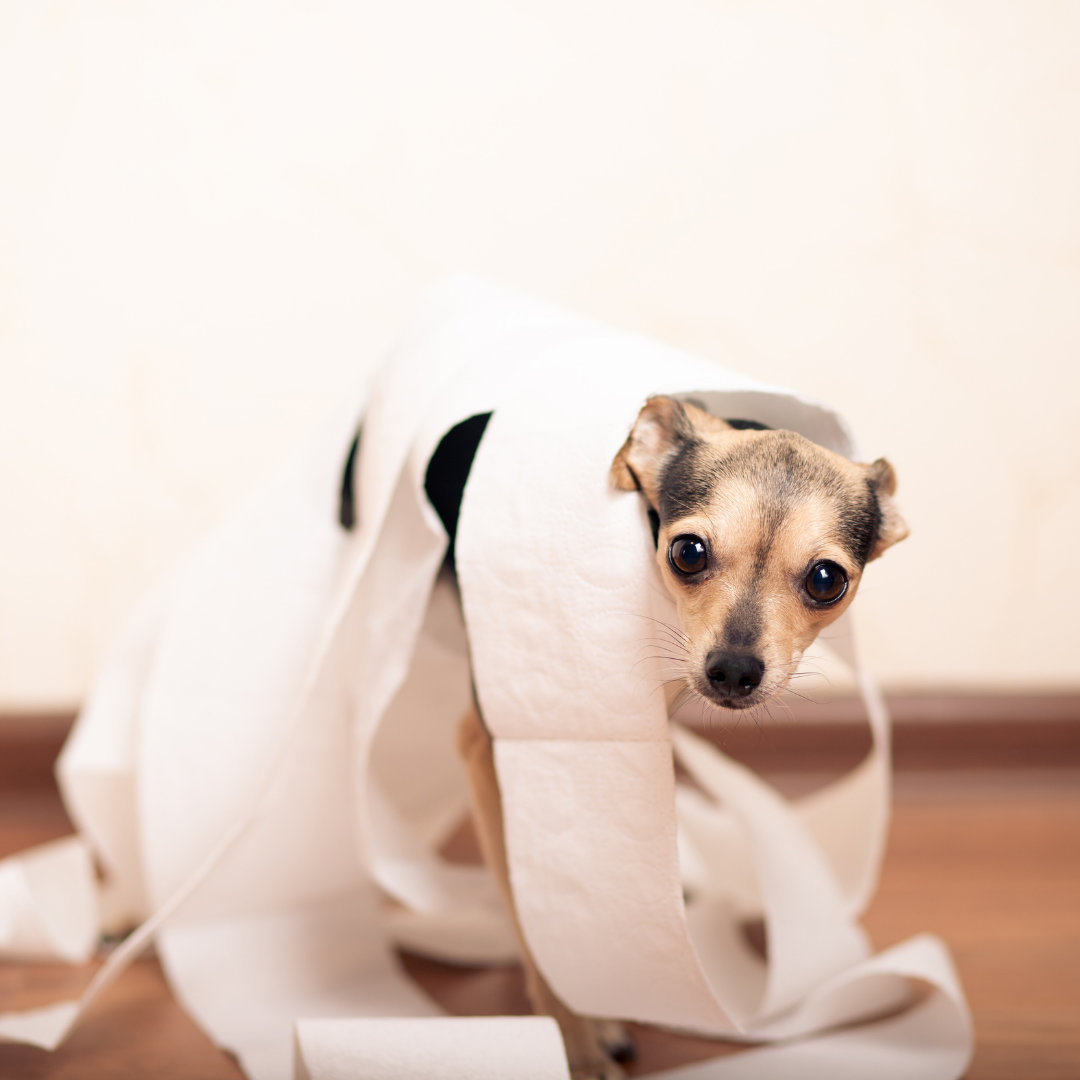
Other common causes of soft stool include diet changes, too much food, too much calcium, human food, stress, foreign objects, and intestinal parasites like giardia or worms. Puppies, adult dogs, and older dogs may all react differently depending on their age and overall digestive health.
Dog table scraps and human food are common causes of digestive upset. Fatty leftovers, rich treats, and unfamiliar meals can overwhelm your dog’s digestive system. Even small amounts of table scraps can throw off your dog’s digestive balance.
Too much food at once can also lead to watery stools in stool and poor nutrient absorption. Feeding appropriate portions and limiting treats helps prevent digestive irregularities and supports digestion for many dogs.
Whatever it is, though, it’s usually a sign that the gut is unhealthy. Sure, your dog may have diarrhea because he’s suffering from things like inflammatory bowel disease, kidney and liver disease, or dealing with parasites, viruses, or bacterial infections that cause him to be sick, or even dealing with cancer, and you’ll want to rule those out if diarrhea continues and you continue having a hard time firming up dog stool. Likely, though…it’s an unhealthy gut and you need to help him balance it ASAP.
Occasional diarrhea is common, but ongoing digestive irregularities should not be ignored. Dogs may experience soft stools due to intestinal parasites, inflammatory bowel disease, foreign objects, or infections that interfere with normal digestion.
Other signs that point to a more serious problem include lethargy, changes in appetite, vomiting, or drops in your dog’s energy levels. In these cases, diarrhea may be life threatening, and it is extremely important to consult a veterinarian immediately.
Digestive disease and dog’s intestinal tract problems often require targeted dietary changes, medical treatment, or long-term gut support to restore balance and improve stool quality.
If diarrhea lasts more than a day or two, if your dog struggles to keep food down, or if you notice other symptoms like lethargy, vomiting, weight loss, or blood in the stool, it is extremely important to contact a veterinarian immediately, as some issues can become life threatening if left untreated.
Dog Foods and Your Dog’s Diet: Why It Matters
One of the biggest contributors to soft stool is a dog’s diet. The type of dog foods, how often they are fed, and how consistent meals are all influence stool quality. Many dogs experience soft stools simply because their food does not agree with their digestive tract.
Highly processed dog foods, excessive fillers, or frequent switches between brands can disrupt your dog’s digestive balance. When eating food that is difficult to digest, the digestive system moves waste through too quickly, leaving excess liquid in the stool. Over time, this can lead to loose poop, digestive discomfort, and recurring diarrhea.
For healthy dogs, a diet built around digestible protein, moderate fat, and balanced fiber supports digestion and helps firm up your dog’s stool for a healthier dog poop. Paying attention to how your dog eats and responds to regular versus new food can provide key facts about what their gut tolerates best.
A Healthy Gut Does More Than Firm Up Stool
Your dog’s gut does more than digest food; it houses much of their immune system. When the microbiome is balanced, beneficial bacteria help regulate inflammation, support nutrient absorption, and strengthen the body’s natural defenses. A strong immune system is better equipped to handle minor infections or dietary missteps that can trigger diarrhea. When the gut is imbalanced, the immune system may overreact or underperform, making dogs more vulnerable to loose stools, irritation, or recurring GI problems.
A healthy digestive system also supports steady energy levels, better nutrient absorption, and more consistent bowel movements. When dogs absorb nutrients properly, there is less waste traveling through the intestinal tract, which helps prevent soft stools and digestive discomfort.
If your dog experiences soft poop, remember this: digestive health starts with consistency. A steady diet, the right fiber balance, and strong gut bacteria all work together to keep things firm and regular. Introducing a new food too quickly can throw that balance off, and even a healthy new food should be mixed in slowly so your dog’s system can adjust. Sudden switches, extra treats, or jumping straight into new food without a transition are some of the most common causes of tummy trouble. Watching how your dog eats, poops, and feels each day gives you the best clues about what their gut needs to stay happy.
I’ve Gotta Know Now! How To Firm up Dog’s Stool?
When your dog has loose stool, the best way to start helping firm up dog poop is to make sure he’s getting enough fiber. And we mean good, quality fiber. Fiber intake will help bulk his poop up because one of its main jobs as it goes through the digestive tract is to absorb excess liquid…this is what causes the runs in dogs.
Adding Fiber for a Happier Gut and More Predictable Poop
Adding fiber is one of the most effective ways to firm up dog poop, but the type and amount of fiber matter. Fiber works by absorbing excess liquid in the digestive tract and adding bulk to stool, which helps regulate bowel movements.
Soluble fiber absorbs water and helps slow digestion, while insoluble fiber adds bulk and encourages waste to move through the intestinal tract at the right pace.
Too little fiber can lead to loose stools, while too much fiber can cause hard stools or gas. For most dogs, gradual changes that include balanced fiber sources help prevent digestive issues and support consistent, healthy dog poop.
Hydration Matters More Than You Think
Diarrhea causes the body to lose fluids quickly, so keeping your dog hydrated is an important part of helping their stool and overall dog poop quality firm up. Encourage steady, moderate drinking rather than large gulps, which can worsen stomach upset. Offering smaller, more frequent sips or ice cubes can keep hydration on track without overwhelming the stomach. Maintaining hydration helps the digestive system move food at the right pace and prevents complications that make diarrhea last longer.
Always make sure your dog has access to fresh water, especially when experiencing diarrhea, since excess water loss can worsen digestive issues.
You want to make sure your dog has both insoluble and soluble fiber because he needs to have food go through his system at just the right speed (soluble fiber does this) and just the right consistency (insoluble fiber helps this) for optimal nutrient absorption. The next step in making sure your dog is healthy is ensuring he has the right balance of beneficial bacteria in his gut. Probiotics are the helpful bacteria in your dog, and when there are plenty of them, and they’re fed well by the addition of prebiotics, they’ll get rid of bad bacteria that can cause leaky gut, colitis and diarrhea.
You also want to be sure that your dog has a sufficient amount of enzymes that aid digestion to break his food down as well as it can be. The more it’s broken down into smaller pieces, the better it is for nutrient absorption. This helps your dog be healthier and that prevents fewer diarrhea bouts. High quality, meat-based diet that contains sufficient digestible protein can also help your dog to have normal bowel movements and decrease passing loose stools.
Bland Diets and Dietary Changes: When Simple Food Helps Firm Up Dog Stool
A bland diet is one of the most trusted short-term solutions to firm up dog stool. Bland diets are especially helpful for puppies, older dogs, and dogs that experience digestive upset after diet transitions.
A typical bland diet includes simple, easy-to-digest foods that allows dog’s digestive tract to rest while still providing energy.
While bland diets are effective, they should be temporary. Feeding a bland diet for too long can lead to nutrient imbalances, including too much calcium or too little essential fat. Once stool improves, slowly transition back to standard food to avoid sudden diet changes that can restart digestive issues.
Choosing regular food that is highly digestible and appropriate for your dog’s breed, age, and activity level can make a big difference in digestive balance.
Everyday Habits That Keep Your Dog’s Gut Healthy
Firm stool isn’t just a one-time fix; it comes from consistent daily habits that support a healthy microbiome.
- Avoid sudden food changes: Quick switches can shock the digestive system. Gradual transitions help the gut adapt.
- Feed a consistent, high-quality diet: Dogs do best when their diet stays steady. High-quality, digestible proteins and whole-food ingredients support smoother digestion.
- Limit table scraps and high-fat treats: Rich foods can upset gut bacteria and trigger loose stool.
- Reduce stress where possible: Just like in people, stress affects digestion. A calm environment and a predictable routine help the gut stay balanced.
- Always provide access to fresh, clean water: Hydration supports digestion and helps stool form properly.
- Regular exercise also supports digestion by helping food move through the digestive tract at a steady pace, reducing the risk of soft stools.
These simple steps support a strong, resilient gut that can better handle dietary changes, environmental stress, or the occasional garbage-can adventure.
Home Remedies to Firm Up Dog Poop and Calm Everyday Digestive Issues
Many pet parents look for natural ways and home remedies to help firm up dog poop before turning to medications. Fiber-rich foods, probiotics, and hydration support are commonly used to restore digestive balance.
Ensuring access to fresh water, encouraging regular exercise, and maintaining a consistent feeding schedule all support gut health. These simple habits help most dogs maintain healthy digestion and reduce the likelihood they experience soft stools.
Bernie’s Perfect Poop: The Most Delicious Way to Firm up Your Dog’s Poop
The best news there is when it comes to helping your dog form a solid stool is that Bernie’s Perfect Poop adds ALL of those necessary elements into one delicious combination of grass bits. Perfect Poop combines Miscanthus grass, pumpkin and flaxseed so that your dog gets the perfect amount of insoluble and soluble fiber supplements he needs to bulk up his stool and perfect his poop. That soluble to insoluble ratio of premium fiber also helps your dog’s microbiome be more balanced, which is key for firming up dog poop.
Additionally, as we said, pre- and probiotics are key to helping your dog’s intestinal flora / digestive tract and microbiome be balanced. Bernie’s Perfect Poop has inulin, which is a fertilizer to feed all the helpful bacteria and ensure they thrive. It also has Xylooligosaccharides (say that 3 times fast!), or XOS. This XOS is clinically shown to improve gut health and keeps your best friend’s gut in the healthy, balanced state it should be.
The digestive enzymes in Bernie’s Perfect Poop are what round it out, and ensure that your dog’s food is broken down to the size it needs to be for maximum nutrient absorption. This means there’s less waste, and that includes the ooey, gooey diarrhea no one wants to deal with.
Good Dog Gut Health: The Key to Firm Dog Poop
The key to firm dog stool starts with your dog’s gut health. A healthy gut typically proves itself with a healthy butt (and the things that come from it). If you’re looking for how to firm up your dog’s stool, give them Bernie’s Perfect Poop! Thousands of dog parents just like you have found relief for their dogs (and themselves) and you can too!
Healthy dogs with balanced digestion tend to have more consistent, firm stools, better energy levels, and fewer digestive issues overall. Supporting the gut is one of the most natural ways to keep your dog feeling good from nose to tail.