Average Lifespan and What to Expect
One of the harder truths about this breed is their relatively short average lifespan. Berners typically live 7 to 10 years, shorter than many other large breeds. Life expectancy can vary significantly based on genetics, lifestyle, and how proactively health concerns are managed.
Understanding this early helps pet parents make informed decisions about screenings, diet, exercise, and care as their Berner ages. Aging Bernese Mountain Dogs often face compounding health challenges: joint disease, cancer, and organ dysfunction can all emerge in the later years. The more you understand your Bernese Mountain Dog’s health profile from day one, the better equipped you will be to support a longer, healthier life.
Common Bernese Mountain Dogs Health Issues
The following health issues are well-documented in the breed and represent the conditions most Bernese Mountain Dog owners will encounter at some point.
Hip Dysplasia
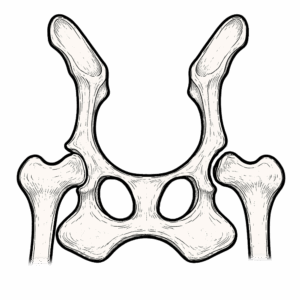
Hip dysplasia is a genetic condition that happens due to the improper development of the hip joint. This leads to pain and arthritis for your dog. It’s particularly prevalent in large breed dogs like Bernese Mountain Dogs. In fact, about 28% of Berners are affected by hip dysplasia. It’s often genetic, and also worse due to the rapid growth Berners go through as puppies. Environmental influences like lack of exercise and poor diets can also increase dysplasia chances.
If you think your Berner is struggling with hip dysplasia, look for these symptoms:
- Limping or lameness in the hind legs
- Difficulty rising, jumping, or climbing stairs
- Decreased activity or reluctance to exercise
- Noticeable pain or stiffness
Early detection is crucial, and symptoms can start showing up in puppies as young as four months old.
Even though hip dysplasia is generally hereditary, there are things you can do to manage its effects. Keeping your Berner at a healthy weight is essential, and moderate exercise helps reduce stress on the hip joint. Other management techniques include physical therapy, acupuncture, joint supplements, and anti-inflammatory medications. Pain medication may be prescribed in moderate to advanced cases. In the most significant cases, Berners may have a femoral head ostectomy or full hip replacement. Genetic screening and responsible breeding practices remain the best ways to reduce the incidence of hip dysplasia in Bernese Mountain Dogs.
Elbow Dysplasia
Elbow dysplasia is also a hereditary condition that involves lots of developmental abnormalities in their elbow joints. This also leads to pain and arthritis, and again, strikes Berners a lot due to their large size and genetic predisposition. Some of the abnormalities include fragmented coronoid process (FCP), osteochondritis dissecans (OCD), and ununited anconeal process (UAP). These issues generally result from abnormal growth and cartilage development, which can cause joint instability and inflammation.
Symptoms and Diagnosis of elbow dysplasia in Bernese Mountain Dogs include:
- Limping or lameness in the front legs
- Swelling around the elbow
- Pain and reluctance to move the front legs
- Decreased range of motion in the elbow joint
Diagnosing elbow dysplasia typically involves a combination of physical examinations, X-rays, and sometimes advanced imaging techniques like CT scans. When the elbow joint does not develop properly, early detection and early intervention are key: the sooner the condition is identified, the more options are available.
Management of elbow dysplasia includes both surgical and non-surgical options depending on how severe it is. Non-surgical treatments include managing weight, supplementing for joint health and mobility, physical therapies, acupuncture and anti-inflammatory medications. Surgical options might include arthroscopic surgery to remove bone fragments or corrective osteotomy to realign the joint.
Again, maintaining a healthy weight and making sure they have a balanced diet during their puppy phase is super important in preventing development and progression. A dog exercise regime regime that avoids excessive strain on the joints is also helpful.
Allergies In Bernese Mountain Dogs
Bernese Mountain Dogs, like many other dog breeds, can suffer from a range of allergies caused by various environmental and dietary factors. Ask your vet about vaccines and prevention for dog flu if your dog visits parks, daycare, or boarding. Common allergens for dogs include:
- Environmental Allergens: Pollen, mold, dust mites, and flea bites are typical culprits.
- Food Allergens: Certain proteins like beef, chicken, dairy, and grains (wheat, corn) may trigger food allergies, especially if gut health is not in check.
- Contact Allergens: Materials such as specific types of bedding, cleaning products, or plants can cause contact allergies.
Allergies in Bernese Mountain Dogs can show up in many ways. Some of the most common include:
- Itchy skin and excessive scratching
- Red, inflamed, or flaky skin
- Ear infections and head shaking
- Gastrointestinal issues such as vomiting or diarrhea (more common in food allergies)
- Watery eyes and nasal discharge
To diagnose allergies in Berners, vets will often recommend elimination diet trials, blood or skin testing and basic observation of how the dog reacts to various allergens.
Managing allergies in Bernese Mountain Dogs often involves several different strategies. Some of the most popular include:
- Avoidance: Identifying and avoiding the specific allergens is the most effective strategy. For food allergies, a great first start is making sure their gut health is the best it can be. It might also involve switching to hypoallergenic diets or limited-ingredient foods.
- Medications: While a natural route is generally preferred, antihistamines, corticosteroids, and other medications may help manage symptoms.
- Topical Treatments: Shampoos, sprays, and ointments designed to soothe itchy skin can provide relief. Consider holistic products made with clean ingredients.
- Immunotherapy: Allergy shots or sublingual drops (under-the-tongue treatments) can help desensitize the dog to specific allergens over time.
Arthritis In Bernese Mountain Dogs
Arthritis, particularly osteoarthritis, is a common issue in Bernese Mountain Dogs due to their large size and genetic predisposition. The condition happens when joint cartilage breaks down. This leads to pain and decreased mobility for your dog. Key causes and risk factors include:
- Genetic Predisposition: Some Bernese Mountain Dogs inherit a susceptibility to joint issues.
- Previous Injuries: Trauma or joint injuries can accelerate the development of arthritis.
- Age: Older dogs are more prone to arthritis due to the natural wear and tear on their joints.
- Obesity: Excess weight puts additional stress on the joints, increasing the risk of arthritis.
To diagnose arthritis in Bernese Mountain Dogs, you’ll likely see these symptoms first: stiffness (especially after rest), limping, reluctance to walk or climb stairs, visible discomfort, and reduced activity levels. In severe cases, you might notice swelling around the joints. In order to diagnose arthritis in BMDs, your vet will give a physical exam and likely order imaging tests to see how severe the arthritis and the joint damage are.
Managing arthritis in Bernese Mountain Dogs involves several approaches that are primarily aimed at reducing pain and improving their joint function:
- Supplementation: Supplementing diet with joint health and mobility ingredients can make a world of difference for a Berner with arthritis. Some pain medications may be prescribed for severe cases.
- Weight Management: Keeping your dog at a healthy weight reduces stress on the joints. A balanced diet and regular exercise are so important, no matter how much they give you the Puppy Dog stare!
- Physical Therapy: Exercises and physical therapy can help maintain mobility and strengthen the muscles around the joints. Comfortable Living Environment: Providing a soft, supportive bed and avoiding slippery floors can help reduce strain on your dog’s joints.
- Alternative Therapies: Additionally laser therapy and hydrotherapy are options that can provide relief for dogs with arthritis, and many dogs diagnosed with arthritis have great success with these therapies.
Heart Disease In Bernese Mountain Dogs
Bernese Mountain Dogs are prone to several types of heart disease, with the most common being:
- Dilated Cardiomyopathy (DCM): This condition involves the enlargement and weakening of the heart’s ventricles, which impairs the heart’s ability to pump blood effectively. DCM is often hereditary in many other large breeds.
- Subvalvular Aortic Stenosis (SAS): A congenital heart defect where there is a narrowing below the aortic valve, leading to obstructed blood flow from the heart. This condition can result in heart murmurs and potentially lead to heart failure if severe.
- Arrhythmias: Irregular heartbeats that can result from various underlying heart conditions, leading to potential complications like fainting or sudden death. This can obviously be quite devastating because it seems as if it comes out of nowhere.
As a BMD parent, you want to watch out for these signs of heart disease:
- Coughing, especially at night or after exercise
- Difficulty breathing or rapid breathing
- Fainting or collapsing
- Fatigue and weakness, particularly during or after exercise
- Swelling in the abdomen (due to fluid accumulation)
- Decreased appetite and weight loss
Managing heart disease in Bernese Mountain Dogs involves a combination of lifestyle adjustments, monitoring, and sometimes medications.
- Diet and Exercise: A balanced diet tailored to support heart health, along with controlled, moderate exercise, can help manage the symptoms and improve quality of life. It’s crucial to avoid overexertion
- Regular Monitoring: Checkups that include echocardiograms, chest X-rays, and blood tests can help monitor the progression of the disease and adjust treatment plans as needed.
- Preventive Measures: Genetic testing and responsible breeding practices can help reduce the prevalence of hereditary heart diseases in Bernese Mountain Dogs
- Medications: Depending on the specific heart condition, treatments may include ACE inhibitors, beta-blockers, diuretics, and medications to help the heart pump more effectively.
Bloat (Gastric Dilatation-Volvulus) In Bernese Mountain Dogs
Bloat, also known as Gastric Dilatation-Volvulus (GDV), is a life-threatening condition commonly affecting large, deep-chested breeds like Bernese Mountain Dogs. Their deep chests provide more space for their stomach to move and twist. Their large size also means their stomachs can hold more gas and food, increasing the risk of GDV.
GDV occurs when the stomach fills with gas, fluid, or food, causing it to expand (dilate). The stomach can then twist (volvulus), cutting off the blood supply and trapping the contents inside. This twisting can lead to severe shock, tissue death, and if untreated, can be fatal within hours. It can be terrifying, and needs immediate attention if you suspect it.
Recognizing the symptoms of bloat early is so important for the survival of the affected dog. Symptoms include:
- Distended abdomen
- Unsuccessful attempts to vomit or belch
- Excessive drooling
- Restlessness and pacing; the dog will often act restless and cannot settle
- Rapid shallow breathing
- Signs of pain when the abdomen is touched
- Weakness and collapse
If you observe these symptoms, seeking immediate veterinary attention is vital. Bloat is an emergency that requires prompt surgical intervention to untwist the stomach and possibly remove damaged tissue. Time is of the essence.
While bloat can occur suddenly, there are several strategies to reduce the risk for your Berner:
- Feeding Practices: Feed multiple small meals throughout the day rather than one or two large meals. Avoiding vigorous exercise before and after meals can also help.
- Diet: Use devices like slow feeders, or other ways to encourage slower eating speeds.
- Water Intake: Regulate water consumption around meal times. Large amounts of water should not be given immediately before or after eating.
- Monitoring: Be vigilant for early signs of bloat, especially in predisposed breeds like Bernese Mountain Dogs.
- Preventive Surgery: Though drastic, a preventive surgical procedure called gastropexy can be performed in some high-risk dogs. This surgery attaches the stomach to the abdominal wall to prevent it from twisting.
Uncommon Bernese Mountain Dog Health Challenges
The following health issues are less common but carry serious consequences. Awareness helps with earlier detection and better outcomes for your dog.
Autoimmune Diseases
One of the most notable and severe autoimmune diseases affecting Bernese Mountain Dogs is Immune-Mediated Hemolytic Anemia (IMHA). IMHA occurs when the immune system mistakenly attacks and destroys the Berner’s red blood cells, which leads to severe anemia. This condition can be primary (idiopathic) or secondary, with the latter being associated with triggers such as infections, medications, or even cancer.
Common symptoms of IMHA include:
- Pale gums and mucous membranes
- Lethargy and weakness
- Rapid breathing and heart rate
- Jaundice (yellowing of the skin and eyes)
- Dark-colored urine (due to hemoglobinuria)
To diagnose IMHA, your vet will likely use a complete blood count (CBC) to detect anemia and the presence of spherocytes (abnormally shaped red blood cells). Additional tests may include the Coombs test, which identifies antibodies attached to red blood cells, and imaging studies to rule out other causes of anemia.
Treating IMHA in Bernese Mountain Dogs often involves many strategies:
- Medications: Immunosuppressive drugs such as corticosteroids (prednisone) are generally the first line of treatment to reduce the immune system’s attack on red blood cells. Medications like azathioprine or cyclosporine may be used for long-term management.
- Blood Transfusions: In severe cases, blood transfusions may be necessary to stabilize the dog by replenishing red blood cells.
- Supportive Care: This includes managing symptoms like jaundice and preventing secondary infections. Ensuring the dog remains hydrated and providing nutritional support are also critical.
- Monitoring: Regular follow-ups with the veterinarian are essential to monitor the dog’s response to treatment and adjust the medication dosage as needed.
Because this disease can be devastating; efforts are ongoing to get a better understanding of the genetic basis of IMHA and to develop more effective treatments. Studies conducted by the University of Minnesota, in collaboration with other institutions, are hoping to identify gene mutations responsible for IMHA, which could eventually lead to genetic testing and improved breeding practices to reduce the incidence of this disease. It’s pretty fascinating research, and can make a big difference in the life of a Berner you know.
Epilepsy In Bernese Mountain Dogs
Epilepsy is a neurological disorder that includes recurrent seizures for your dog. They’re due to abnormal electrical activity in their brain. In Bernese Mountain Dogs, epilepsy is often idiopathic, which means the exact cause is not necessarily known, but most experts agree it’s likely genetic. Seizures can be classified into two main types:
- Generalized Seizures: These affect both sides of the brain and often result in loss of consciousness, muscle spasms, and convulsions.
- Focal Seizures: These affect only a part of the brain and can cause localized symptoms like twitching or jerking in one part of the body.
Symptoms of epilepsy in Bernese Mountain Dogs vary but generally include the following:
- Sudden collapse and loss of consciousness
- Muscle spasms and stiffening
- Drooling and foaming at the mouth
- Uncontrolled urination or defecation
- Confusion and disorientation post-seizure
These seizures are scary, and diagnosing epilepsy as the primary cause of seizures means you need to rule out other conditions that also can cause seizures. Some of these conditions include liver disease, brain tumors, or exposure to toxins. A veterinarian will want to take a detailed medical history and may perform blood tests, urinalysis, and neurological exams. Advanced diagnostics like electroencephalogram (EEG) or magnetic resonance imaging (MRI) can also help identify abnormal brain activity and rule out seizures due to physical anatomy.
While there is no cure for epilepsy, the condition can often be managed effectively with medication and lifestyle adjustments. Common treatments include:
- Diet and Nutrition Changes
- Ketogenic Diet: High-fat, low-carbohydrate diets have shown some promise in reducing seizure frequency by altering brain metabolism. An integrative veterinarian can help ensure balanced nutrition.
- Natural Supplements: Supplements such as omega-3 fatty acids, taurine, and magnesium can also support brain health and reduce inflammation.
- Herbal Supports: Certain herbs like milk thistle, skullcap, and valerian root may help support neurological function and reduce seizures. Again, an integrative veterinarian can help suggest support.
- Homeopathic Supports: Some practitioners recommend homeopathic treatments tailored to the individual dog’s symptoms and overall health. Supports such as Belladonna, Cuprum metallicum, and Aconitum may be used, but effectiveness varies, and professional guidance is essential.
- CBD Oil: Derived from hemp, CBD oil has gained attention for its anticonvulsant properties. Research suggests that CBD can reduce seizure frequency and improve the quality of life in dogs with epilepsy. That said, it’s super important to use high-quality, CBD products and consider consulting with an integrative veterinarian before starting treatment.
- Traditional Chinese Medicine (TCM): Acupuncture has been used to manage epilepsy by balancing the body’s energy flow. Studies have shown that it can help reduce seizure frequency and severity by stimulating specific points in the body to promote healing and homeostasis.
- Monitoring and Adjustments: Regular veterinary check-ups are essential to monitor the effectiveness of the treatment and adjust dosages as needed. Blood tests may be required to ensure the medication levels remain therapeutic.
- Medications: Of course, there are also conventional medications that have been shown to help. Anti-epileptic drugs like phenobarbital, potassium bromide, and levetiracetam are used to control seizures. The choice of medication depends on the dog’s response and any side effects observed.
Kidney Disease In Bernese Mountain Dogs
Kidney disease in Bernese Mountain Dogs can be caused by various factors, including genetics, chronic interstitial nephritis (a low-grade inflammatory condition), infections, toxins, and other underlying health conditions. Berners are often genetically predisposed to kidney issues, which makes them particularly vulnerable. According to the Bernese Mountain Dog Club of America, kidney disease is a leading cause of death in Bernese Mountain Dogs over the age of two.
Kidney disease progresses through several stages, with each stage showing distinct symptoms:
- Early Stages: Increased thirst and urination, weight loss, and decreased appetite.
- Moderate Stages: Vomiting, diarrhea, lethargy, and bad breath (uremic breath).
- Advanced Stages: Severe weight loss, oral ulcers, swollen abdomen, pale gums, and potential collapse due to dehydration and toxin buildup.
To diagnose kidney disease in BMDs, your vet will use blood tests to measure creatinine and symmetric dimethylarginine (SDMA) levels, urine tests to check for proteinuria, and imaging studies like ultrasounds or X-rays to assess kidney structure.
There is no cure for chronic kidney disease (CKD), so management focuses on slowing the disease’s progression and improving the dog’s quality of life:
- Dietary Management
- Low-Phosphorus Diet: Reducing phosphorus intake helps decrease the burden on the kidneys. A renal-specific diet is low in phosphorus and high in essential nutrients for less stress on the kidneys.
- High-Quality Protein: Providing high-quality, easily digestible protein helps reduce the waste products that kidneys need to filter. Diets formulated for kidney disease typically include these proteins.
- Omega-3 Fatty Acids: Adding omega-3 fatty acids from fish oil can help reduce inflammation and support kidney function. Studies have shown that these fatty acids can slow the progression of kidney disease.
- Hydration: Ensuring adequate hydration is so important. Encouraging your dog to drink more water and even considering wet or canned foods can help maintain hydration levels.
- Probiotics and Prebiotics
- Probiotics: Supplements containing beneficial bacteria can help improve gut health, which can support kidney function by reducing the amount of waste products the kidneys need to filter.
- Prebiotics: These fibers support the growth of beneficial gut bacteria and can help improve overall digestive health.
- Herbal Supplements
- Astragalus: Known for its immune-boosting properties, astragalus can help support overall kidney health.
- Rehmannia: Often used in traditional Chinese medicine, rehmannia is believed to support kidney function and reduce symptoms of kidney disease.
- Dandelion Root: Acts as a natural diuretic, which can help flush toxins from the body and support kidney function.
- Fluid Therapy: Intravenous fluids or subcutaneous fluids can help manage dehydration and flush toxins from the body.
- Acupuncture/Traditional Chinese Veterinary Medicine (TCVM): Acupuncture can help improve blood flow to the kidneys and support overall kidney health. It can also help manage pain and improve the quality of life for dogs with kidney disease. A diet low in phosphorus and protein but rich in omega-3 fatty acids can help reduce the kidneys’ workload and manage inflammation.
- Medications: To control symptoms like nausea, hypertension, and anemia. Common medications include anti-emetics, blood pressure regulators, and phosphate binders.
- Regular Monitoring: Frequent veterinary visits to monitor kidney function and adjust treatments as necessary.
In severe cases, dialysis might be considered, though it is often not a long-term solution for dogs. Ensuring a consistent supply of fresh water and a stress-free environment can also significantly help manage the disease.
Bleeding Disorders and Von Willebrand’s Disease In Bernese Mountain Dogs
Von Willebrand’s Disease (vWD) is an inherited bleeding disorder caused by a deficiency in the von Willebrand factor (vWF), a protein essential for blood clotting. Bernese Mountain Dogs are among the breeds genetically predisposed to vWD, particularly Type I, which is characterized by a partial deficiency of vWF. This can lead to variable bleeding tendencies, and they range from mild to moderate.
Common symptoms include:
- Easy bruising
- Bleeding from the gums, nose, or minor wounds
- Excessive bleeding during or after surgery
- Blood in the urine or stool
- Anemia and related lethargy (Cornell Vet) (BMDCA) (Vca).
Diagnosis of vWD involves blood tests to measure the amount of vWF present. The buccal mucosal bleeding time (BMBT) test, which times how quickly a blood clot forms, is often used as an initial screening tool. Definitive diagnosis requires specific vWF antigen assays to quantify the vWF levels in the blood.
Treatment focuses on managing bleeding episodes and preventing excessive blood loss during surgeries. Options include:
- Desmopressin Acetate (DDAVP): A medication that can temporarily increase vWF levels; this is effective mainly in dogs with Type I vWD.
- Blood Transfusions: Using plasma or cryoprecipitate to provide additional clotting factors during severe bleeding episodes.
- Avoiding Certain Medications: Drugs that affect blood clotting, like aspirin and some antibiotics, should be avoided to reduce bleeding risks.
- Diet and Nutrition
- Balanced Diet: Make sure your dog receives a balanced diet rich in essential nutrients to support overall health.
- Vitamin K: This vitamin plays a crucial role in blood clotting. Foods that are rich in vitamin K include leafy greens, broccoli, and other vegetables.
- Omega-3 Fatty Acids: Found in fish oil, these can help reduce inflammation and support vascular health.
- Herbal Supplements
- Yunnan Baiyao: A traditional Chinese herbal medicine that is often used to help manage bleeding disorders. It may help promote clotting and reduce bleeding episodes. Always consult with a veterinarian before using this supplement.
- Bilberry Extract: Contains antioxidants that support blood vessel integrity and may help reduce bleeding tendencies.
Managing vWD involves regular monitoring and taking preventive measures to minimize bleeding risks. This includes:
- Regular veterinary check-ups and blood tests to monitor vWF levels.
- Avoiding elective surgeries unless absolutely necessary.
- Making sure that any required surgeries or dental procedures include preoperative preparations that include being ready for blood transfusion.
Genetic testing is recommended for breeding dogs to identify carriers and reduce the incidence of vWD in future generations. Breeders should test their dogs for vWD to ensure responsible breeding practices and to inform potential puppy buyers of any genetic health risks.
Hypothyroidism In Bernese Mountain Dogs
Hypothyroidism is an endocrine disorder that occurs when the thyroid gland does not produce enough thyroid hormones. The most common causes are lymphocytic thyroiditis, which is an immune-mediated condition, and idiopathic thyroid gland atrophy, where the thyroid tissue is replaced by fat for unknown reasons.
Symptoms of hypothyroidism in Bernese Mountain Dogs are often very subtle and develop gradually. They include:
- Weight gain despite normal eating habits
- Lethargy and reduced activity
- Hair loss, particularly around the tail and back legs
- Dry, flaky skin and a dull coat
- Increased sensitivity to cold
- Recurrent skin or ear infections
- Behavioral changes such as increased aggression or anxiety
Diagnosing hypothyroidism in Berners typically involves a combination of blood tests to measure thyroid hormone levels, including total thyroxine (T4), free T4 (fT4), and thyroid-stimulating hormone (TSH). These tests help confirm whether the thyroid gland is underactive.
Treatment and management of hypothyroidism in Bernese Mountain Dogs ranges from holistic to conventional. Some management strategies include:
- Diet and Nutrition
- Raw or Home-Cooked Diet: Feeding a balanced raw or home-cooked diet can provide high-quality nutrients that support thyroid health. Include lean meats, fresh vegetables, and appropriate supplements.
- Avoid Goitrogens: Foods like soy, broccoli, and cauliflower can interfere with thyroid function. Consider limiting or avoiding these foods in your dog’s diet.
- Iodine-Rich Foods: Incorporate iodine-rich foods like seaweed and fish into the diet, as iodine is essential for thyroid hormone production. Consult your vet to avoid excess iodine.
- Selenium and Zinc: These minerals support thyroid function. Foods like pumpkin seeds, turkey, and fish are good sources.
- Herbal Supplements
- Ashwagandha: This adaptogenic herb may support thyroid function and help balance hormone levels.
- Bladderwrack: A type of seaweed rich in iodine, which may support thyroid health. Just be careful not to have too much iodine intake.
- Licorice Root: May help with adrenal support, which is beneficial for overall endocrine health, including the thyroid.
- Essential Fatty Acids
- Omega-3 Fatty Acids: Found in fish oil, these fatty acids may help reduce inflammation and support overall endocrine health.
- Homeopathy
- Homeopathic Remedies: Some practitioners use remedies like Thyroidinum or Fucus vesiculosus to support thyroid health.
- Acupuncture
- Traditional Chinese Medicine (TCM): Acupuncture may help balance the body’s energy and support thyroid function. It may also alleviate symptoms like lethargy and weight gain.
- Regular Exercise and Weight Management
- Exercise: Regular, moderate exercise helps maintain a healthy weight and supports overall well-being.
- Weight Management: Hypothyroid dogs are prone to weight gain, so managing their weight through diet and exercise is essential.
Treatment for hypothyroidism may also involve daily administration of synthetic thyroid hormone (levothyroxine). Most dogs respond well to this treatment, with improvements in energy levels and coat condition typically seen within a few weeks. Regular blood tests are necessary to monitor hormone levels and adjust the dosage as needed.
Long-term managing hypothyroidism in Bernese Mountain Dogs likely requires lifelong checkups to monitor levels and a combination of many of the strategies above for the rest of their life. Maintaining a healthy diet and regular exercise can help manage weight and improve overall health. Providing a warm environment can also be beneficial for dogs that are sensitive to cold temperatures, as can helping to reduce their stress levels.
Progressive Retinal Atrophy (PRA) In Bernese Mountain Dogs
Progressive Retinal Atrophy (PRA) is a group of inherited eye diseases that cause the degeneration of the retina, leading to gradual vision loss and eventual blindness. In Bernese Mountain Dogs, PRA can come on as either early-onset or late-onset. Early-onset PRA can result in poor vision shortly after birth, with complete blindness occurring between 1 to 5 years of age. Late-onset PRA typically starts with night blindness between ages 3 and 9, progressing to total blindness over time.
PRA is usually inherited as an autosomal recessive trait, meaning a dog must inherit two copies of the defective gene to be affected. Carriers of a single copy do not show symptoms but can pass the gene to their offspring. Genetic testing can identify carriers and affected dogs, helping breeders make informed decisions to reduce the prevalence of PRA in future generations.
The initial symptoms of PRA often include night blindness, where affected dogs struggle to see in low-light conditions. As the disease progresses, dogs may develop dilated pupils, increased eye reflectivity, and a reluctance to enter dark areas or navigate stairs. Eventually, PRA leads to complete blindness, though the progression can vary widely among individual dogs.
Clinical signs to watch for include:
- Difficulty seeing in dim light or at night
- Dilated pupils
- Clumsiness or bumping into objects
- Reluctance to move in new environments
There is no cure for PRA, though most dogs adapt well to vision loss and can continue to live fulfilling lives with proper care. Owners can help their dogs adjust by:
- Keeping furniture and household items in consistent places to avoid confusion
- Using verbal cues and commands to guide the dog
- Providing extra lighting around the home
- Using safety gates to block off hazardous areas like stairs
- Training the dog with verbal commands before vision loss progresses
Supportive measures like these can help a dog navigate their environment safely and maintain a good quality of life.
Histiocytic Sarcoma In Bernese Mountain Dogs
Histiocytic Sarcoma (HS) is an aggressive and often fatal cancer originating from histiocytes, a type of immune cell. This cancer is notably prevalent in Bernese Mountain Dogs, where it accounts for a significant portion of cancer-related deaths in this special breed. HS can present in different forms, including localized, disseminated, and hemophagocytic, with each varying in severity and progression. Genetic predisposition plays a critical role, with studies indicating a strong hereditary component.
Symptoms and Stages
The symptoms of HS can be pretty different in dogs, depending on the form and extent of the disease. The most common signs include:
- Lethargy and weight loss
- Loss of appetite
- Visible masses or swelling
- Difficulty breathing if the lungs are involved
- Jaundice and pale gums if the liver or spleen is affected
- Swollen lymph nodes
Sadly, HS progresses rapidly, often spreading to various organs like the spleen, liver, lungs, and lymph nodes. The disease can be particularly challenging to diagnose early because the symptoms aren’t super specific, and they often resemble other less severe conditions.
Current Treatments and Ongoing Research For Histiocytic Sarcoma In Bernese Mountain Dogs
Treatment for HS typically involves a combination of surgery, chemotherapy, and radiation, depending on the cancer’s location and stage. Surgery is most effective for localized forms of the disease, whereas disseminated HS generally requires systemic chemotherapy. Unfortunately, the prognosis remains poor, with median survival times ranging from a few weeks to a few months after diagnosis, even with aggressive treatment.
Research efforts are ongoing to improve the understanding and treatment of HS. The Morris Animal Foundation and various universities, including the University of Florida, the University of Wisconsin, the University of Michigan, and Virginia Tech University, are leading studies to identify genetic markers and develop new therapeutic strategies. Recent research has focused on the genetic mutations associated with HS, with findings indicating significant genetic heterogeneity and specific gene alterations that could be targeted for more effective treatments .
One promising area of research involves the use of small molecule inhibitors to target key cancer pathways. Early studies in mouse models have shown potential, and further clinical trials in dogs are planned to evaluate the safety and efficacy. Additionally, efforts are being made to develop rapid and accurate diagnostic tests based on genetic markers, which could lead to earlier detection and improved treatment outcomes for all BMDs to receive the diagnosis.
Challenges in Research For Histiocytic Sarcoma
Researching how to earlier diagnose and treat HS is particularly challenging due to its aggressive nature and the difficulty in obtaining sufficient numbers of affected dogs for clinical trials. The rarity of the disease in the general dog population, combined with its super fast progression, makes recruitment even more complicated. complicates the recruitment of study subjects. Still, ongoing collaborations and advancements in genetic technology continue to provide hope for better management and treatment options for this devastating cancer.
You can visit here if you have a Berner (or know one) who may be eligible for studying how to treat HS. For many Berners with the condition now, treatment options may be limited, but your dog could be paving the way for no more suffering for other Berners in the future, and leave a legacy and love for the breed forever.

Early Signs to Watch For in Your Bernese Mountain Dog
Many of the health challenges described above share overlapping early signs. Recognizing these patterns quickly can make a significant difference in outcomes:
- Sudden changes in gait, particularly weakness or wobbling in the hind legs
- Unexplained weight loss or gain
- Decreased appetite or excessive thirst
- Increased lethargy or reluctance to exercise
- Any distension of the abdomen, especially if the dog acts restless
- Bruising, unusual bleeding, or pale gums
- Skin or coat changes, recurring ear infections, or eye cloudiness
Routine veterinary checkups and proactive bloodwork (especially in dogs over five) give you the best shot at catching common symptoms before they develop into serious health conditions. Early detection and early intervention consistently produce better outcomes across almost every condition on this list.
How to Support Your Aging Bernese Mountain Dog
As Bernese Mountain Dogs get older, the likelihood of multiple concurrent health concerns increases. Aging Bernese Mountain Dogs and older dogs generally benefit most from:
- Consistent vet visits: Semi-annual checkups rather than annual for dogs over 6
- Joint support: Joint supplements (glucosamine, chondroitin, omega-3s) become increasingly important as mobility issues develop
- Weight management: Excess weight compounds nearly every orthopedic and systemic condition in large breeds
- Mental stimulation: Even as physical mobility decreases, cognitive engagement supports overall well-being
- Comfort accommodations: Orthopedic bedding, ramps instead of stairs, non-slip surfaces help reduce joint problems day to day
- Warm environments: Particularly helpful for hypothyroid dogs sensitive to cold
Your furry friend may slow down, but with proper care and attentive management, many Berners continue to live fulfilling lives well into their senior years. The goal is a long and healthy life with as much comfort and dignity as possible.
Giving Your Berner the Best Chance at a Healthy Life
Bernese Mountain Dogs are an excellent family companion: calm temperament, gentle nature, deeply devoted, and loyal to the end. But their health concerns are real, and their average lifespan of 7 to 10 years means every year matters. Pet parents who stay informed, work closely with a trusted vet, and support responsible breeding practices (where applicable) are giving their Berners the strongest possible foundation.
Understanding Bernese mountain dog health issues before they arise is one of the most powerful things you can do as an owner. Catch the early signs quickly, act on them, and advocate for your furry friend’s well-being. That is how you give your Bernese mountain dog’s health the attention it deserves, and how you help your gentle giant live their happiest, healthiest life.
Frequently Asked Questions
What are the most common health issues in Bernese Mountain Dogs?
The most common health issues in Bernese Mountain Dogs include hip and elbow dysplasia, arthritis, gastric torsion, heart disease, food allergies, and cancer. Bernese Mountain Dogs are also predisposed to hypothyroidism, kidney disease, progressive retinal atrophy, and histiocytic sarcoma. Because many of these conditions are hereditary, routine vet checkups and proactive early detection are essential for staying ahead of your dog’s health.
What is gastric torsion and why are Berners at higher risk?
Gastric torsion, also known as GDV or bloat, is a life-threatening emergency that occurs when the stomach fills rapidly with gas, food, or fluid and then twists on itself, cutting off blood supply. It can be fatal within hours if untreated. Bernese Mountain Dogs are at higher risk than many other breeds because their deep chest gives the stomach more room to shift and rotate. Feeding smaller meals, using a slow feeder bowl, and monitoring for early symptoms like restlessness, a distended abdomen, and failed attempts to vomit are the best ways to reduce risk. Gastric torsion always requires immediate veterinary attention.
Is degenerative myelopathy a concern in Bernese Mountain Dogs?
Degenerative myelopathy is not among the most frequently diagnosed health issues in the breed, but it does occur and is worth knowing about. It is a progressive neurological disease that starts with weakness and difficulty standing in the hind limbs and, without intervention, progresses toward eventual paralysis. The condition is more commonly associated with other breeds like German Shepherds, but Bernese Mountain Dogs can carry the SOD1 gene mutation linked to the disease. There is no cure, but early physical therapy and supportive care can meaningfully extend the quality of life for an affected dog.
Are Bernese Mountain Dog health problems mostly inherited?
Many of the most serious conditions in the breed have an inherited disease component. This is why responsible breeding practices and genetic screening matter so much for the breed. That said, many dogs with a genetic predisposition still go on to live full lives, especially when health issues are caught and managed early.
Can a Berner with chronic pain still have a good quality of life?
Yes. With the right support, your furry friend lives comfortably even when managing chronic pain from arthritis, joint disease, or other conditions. Treatment options include joint supplements, physical therapy, proper medication, laser therapy, and hydrotherapy. Environmental changes like orthopedic bedding, ramps instead of stairs, and non-slip flooring also make a real day-to-day difference.