Every Dog Needs Fiber–But Not All Fiber Is the Same.
Not only does the fiber quality for dogs matter when you’re trying to clean up their digestion, but the type of fiber does too. Whether it’s soluble dietary fiber or insoluble fiber, you want to be sure that all the fiber is quality. High fiber dog foods may tout themselves as good for your dog’s digestive wellness, but even for dogs with high fiber diets, the sources of fiber and quality matter.
Most pet parents think a high fiber dog food is all a dog needs to make sure they have the proper fiber intake, but the truth is that even high fiber dog foods may have lower-quality fiber that doesn’t do much more than go through your dog’s digestive system. Dogs that eat a diet low in fiber or low in quality fiber often suffer from a variety of health problems that are specifically related to their digestive system. Fiber supplementation with a quality soluble and insoluble fiber product can help prevent conditions like constipation, diabetes mellitus, and diarrhea. When you add fiber to your dog’s diet, you can also help with their weight loss and management.
Here is the key: soluble and insoluble fiber do different jobs. Soluble dietary fiber holds water and helps loose stools firm up. Insoluble fiber adds bulk and helps food moves through the intestinal system at a healthier pace. Fibers act like a traffic guide inside the large intestine, helping stool move along without racing through or stalling out.
That is why the source of fiber matters. A high fiber label does not automatically mean the fiber content is helpful. Some pet food formulas use sources of fiber that do not do much beyond taking up space. The right fiber sources support healthy bacteria and beneficial bacteria, which helps the intestinal lining stay stronger and more comfortable.
One more important point: a high fiber diet is not the same thing as “more fiber no matter what.” A high fiber diet should still be a well-rounded diet. Too much of the wrong fiber types can create digestive discomfort, but the right high fiber approach can support a comfortable dog and healthier routines.
Common Signs Your Dog Needs Fiber
If you are wondering whether your dog needs more fiber, start by looking at your dog’s bathroom habits, stool quality, and comfort. Fiber plays a huge role in proper digestion, and the signs usually show up in the digestive process first.
Most dogs do best when they get the right amount of fiber from the right fiber sources, not just whatever is labeled high fiber.
And yes, this matters even if you already buy a “high fiber” option. Some labels say high fiber, but the fiber content and the source of fiber are what make the difference for real results.
There are many signs your dog may not be eating enough fiber-rich foods and may benefit from fiber supplements.
- My Dog Has Irregular Bowel Movements: If your dog experiences irregular bowel movements or struggles with constipation or diarrhea, it could be a sign of insufficient digestible fiber. Fiber for dogs helps regulate the digestive system and promotes healthy, regular bowel movements. If you are seeing soft stool, frequent straining, or inconsistent timing, your dog’s bathroom routine may be telling you that there is not sufficient fiber in the food source you are using. Healthy bowel movements depend on the right amount of fiber, the right fiber types, and a balanced diet that supports the food breakdown process.
- My Dog Struggles with Weight Management Issues: Obesity or weight management problems in dogs can sometimes be linked to a lack of fiber in their diet. Foods rich in fiber can help your dog feel fuller for longer, and this helps with weight control by minimizing their appetite and reducing overeating. Fiber can support a healthy weight by helping your dog feel satisfied with fewer extra calories. If you are seeing weight gain along with a constant search for snacks, it may be a sign that the pup’s diet needs diet changes that increase fiber amount in a smart way.
- My Dog Has Excessive Gas: Excessive gas or flatulence in dogs can be miserable for you and your dog. Too much fiber that’s not quality can lead to gas in dogs, but a fiber deficiency can also lead to flatulence. When your dog has quality dietary fiber as part of their regular diet, you can help regulate digestion and reduce gas in dogs. Gas can also show up when food moves through the gastrointestinal tract too quickly or when the balance of healthy bacteria is off. Quality fiber sources help feed healthy bacteria and beneficial bacteria, which can support a more comfortable dog.
- My Dog Has Loose Stools: If your best friend has loose or runny stools, they may not be getting enough fiber. How much fiber for dogs is necessary depends on each dog, but generally speaking, adjusting soluble fiber and insoluble fiber for dogs can help in the formation of well-formed, firm stools….what we like to call the Perfect Poop! Loose stools are one of the most common signs that fiber consumption needs attention. Soluble dietary fiber can help bind water, while insoluble fiber can help slow the rush through the intestinal tract. Together, soluble and insoluble fiber can support bowel regularity and more predictable stool quality.
- My Dog Has Anal Gland Issues: Dogs with insufficient fiber in their diets may experience anal gland problems. As we’ve said, fiber helps to bulk up your dog’s stool and that helps their anal glands express as they’re going potty. This can reduce the risk of blockage and infection. When stool is too soft, it can fail to apply the normal pressure that helps glands empty. Adding enough fiber often helps stools get the right bulk, which supports healthy bowel movements and a calmer routine.
- My Dog Has a Poor Skin or Coat: A lack of fiber in your dog’s diet can impact their skin and coat health. That’s why vets are always recommending high fiber foods for dogs–fiber rich vegetables can help with the nutrient absorption they need to maintain their shiny, healthy coats. Dog’s skin can also reflect what is happening inside the gut lining. When the digestive process is not working smoothly, essential nutrients may not be absorbed as well. Supporting better fiber consumption can help reduce nutritional deficiencies that show up in the coat.
- My Dog Seems To Have No Energy: A dog’s energy levels can be influenced by their diet. Insufficient dietary fiber can lead to a lack of energy and vitality. Fiber for dogs helps regulate their blood sugar levels, which can help provide a steady release of energy throughout their day. This matters even more for a senior dog. A senior dog may show lower energy when digestion is sluggish or when stool is uncomfortable. For a senior dog, fiber plays a role in keeping routines steady, supporting a healthy weight, and helping the day feel easier.
- My Dog Throws up A Lot: Digestive issues, including frequent vomiting, can be a sign that your dog’s diet lacks adequate fiber. Increasing fiber content can help promote healthy digestion and reduce instances of vomiting. Sometimes this is as simple as increasing the fiber in dog food, but likely you’ll still want to give them a fiber boost with a quality supplemental fiber. If your dog has digestive discomfort and a sensitive stomachs pattern, fiber can help by supporting smoother movement through the digestive tract. A gentle plan matters here, because diet changes that happen too fast can backfire and cause digestive sensitivity.
- My Dog Has Issues with Dental Health: Fiber-rich foods can contribute to maintaining your dog’s dental health. Chewing on fiber-rich treats or incorporating fibrous foods into their diet can help reduce plaque and tartar build-up, supporting healthy teeth and gums. One GREAT way to add fiber to your dog’s diet AND help their teeth be sparkly clean is our new dental treat, Charming Chompers! Designed to help your dog’s dental health by working from the inside out, you’ll not find better tasting fiber for dogs! Dental health can be part of the overall health picture for healthy dogs, especially as they age into senior dog years.
- My Dog Takes Forever to Poop: If your dog experiences slow digestion or upset tummies regularly, it could be due to a lack of fiber. Adding Fiber helps regulate their digestive system, and this will help keep their tummies comfortable and their pooping schedule more regular. Slow bathroom trips can be a clue that food moves too slowly through the large intestine. A senior dog can be especially prone to this. A senior dog with less fiber often struggles more with stool bulk and timing, so fiber sources and fiber content matter a lot.
How Much Fiber Does My Dog Need
Dog parents often ask this. The honest answer is that it depends on your dog’s size, age, and how their stool looks. It also depends on whether your dog is dealing with soft stool, constipation, weight gain, or stomach sensitivity.
A simple way to think about it is this: you want enough fiber to support healthy digestion and healthy bowel movements without creating excess gas or discomfort.
If you are aiming for a high fiber diet, your vet can help you choose a target that supports your dog’s digestion process without pushing fiber consumption too far, too fast.
High Fiber Dog Food: What to Look For
If you are shopping for high fiber dog food, do not stop at the front label. Flip the bag and look at the fiber content, the ingredient list, and the source of fiber. High fiber is helpful when the fiber types are doing real work in the intestinal tract, not just filling space.
A smart high fiber dog food typically includes a mix of dietary fiber and insoluble fiber support. That combination is what helps soft stool firm up and helps bowel regularity stay consistent.
Also pay attention to how your dog feels on that pet food. The goal is a a dog who feels good with predictable bathroom habits, not a dog that is gassy, restless, or struggling through every bowel movement.
Excellent Ideas to Help Add More Fiber to Your Dog’s Diet:
- Improve your dog’s diet and check fiber content – Review your dog’s diet by writing down everything your dog eats in one day. If you feed your dog a commercial dog food, read the label carefully to determine how much crude fiber is included in the ingredients. Also look for fiber content and the source of fiber. A label can say high fiber, but the fiber sources still matter. Pet food can vary wildly in fiber types, so compare how many fiber sources are used and whether the food source supports both dietary fiber and insoluble fiber needs. Choosing a dog food that contains enough soluble fibers and insoluble fibers is essential to supporting your dog’s overall health and especially their digestive system. Some dog owners also ask about human foods. In small amounts, some human foods can contain fiber rich components, but your vet should guide what fits your pup’s diet. If your dog eats other fiber rich vegetables with meals, that’s a great start, but often, quality fiber supplements for dogs add in even more benefit.
- Add a supplement – Dogs that don’t get enough fiber in their diet through their food source can highly benefit from a supplement. Consider adding a fiber supplement to your dog’s diet to help them maintain a healthy digestive system. A common fiber supplement many vets discuss is psyllium husk. Psyllium husk can help with loose stools by holding water, and psyllium husk can also help stools move more smoothly through the intestinal tract. Psyllium husk works best when introduced gradually, especially for sensitive stomachs.
When adding any supplement, focus on dietary changes that are steady. Sudden dietary changes can trigger digestive discomfort or upset stomach.
Fiber for a Senior Dog
A senior dog often needs more attention around fiber intake, because the digestion process can slow with age. An older dog may also be more likely to struggle with weight management, and fiber can help support a healthy weight by reducing extra calories without leaving your dog feeling unsatisfied.
For a senior dog, the benefits of fiber often show up as easier bathroom trips, more consistent stool, and a calmer day to day routine. A senior dog can also be more prone to sensitive stomachs, so it helps to make dietary changes slowly and choose fiber sources that support healthy digestion.
Taking Care of Your Dog’s Fiber Needs
Bernie’s Perfect Poop was created to help improve our own dog’s diet. We knew digestive wellness was important, and we were having a hard time finding quality fiber for dogs, as well as clean sources of fiber. It was also hard to judge how much fiber we needed to add so we got together with canine experts to create Bernie’s Perfect Poop!
Perfect Poop is built around fiber sources that support the digestive tract and gastrointestinal tract, while also helping support healthy bacteria and beneficial bacteria. That balance helps protect the gut lining and supports healthy digestion.
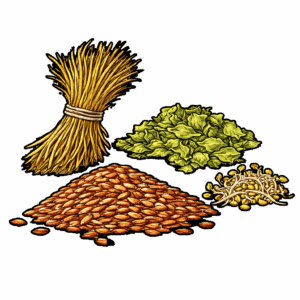
With Perfect Poop, we weren’t just adding fiber, but we were adding additional quality ingredients that help gut health be optimal. Bernie’s Perfect Poop is an all-natural supplement that contains premium dietary fibers including pumpkin, flaxseed and Miscanthus grass. These ingredients work together and supercharge the digestive tract allowing your dog to experience easier digestion. But combined with pre- and probiotics and digestive enzymes, your dog will feel their best all the time. After all, healthier diets mean happier dogs!
Final note for dog parents: the benefits of fiber show up in stool quality, energy, and comfort. If your dog’s bathroom habits change suddenly, or if loose stools and digestive discomfort keep returning, talk with your vet about the right plan for your pup’s diet, pet food choice, and fiber intake.
FAQs
Does adding fiber help healthy digestion?
Yes. Fiber can support healthy digestion by helping stool form correctly and keeping things moving at a steady pace. In many cases, soluble fibers are especially helpful because they hold water and add structure to softer stools. The key is choosing the right types of fiber for your dog and making changes gradually so your dog stays comfortable. Also, keep your dog food consistent while you adjust fiber so you can clearly tell what’s working.
How can fiber improve bowel movements?
Fiber helps regulate bowel habits by adding bulk, balancing moisture, and supporting more predictable stool quality. If your dog is dealing with softer stool, soluble fibers can help firm things up by binding water. If stool is too hard, a better fiber balance can help it pass more easily. Start by reviewing the dog food you’re using and whether it provides the right fiber profile for your dog’s needs.
What happens during the digestive process when you add fiber?
During the process, fiber affects how quickly food moves through the gut and how water is managed in the stool. Soluble fibers can slow things down slightly and help stool hold together. Different types of fiber also support a healthier environment for digestion, which can matter for your dog’s comfort day to day. A stable dog food routine helps you track results and avoid confusing “too many changes at once.” A healthier gut can also support the immune system, since digestion and immunity are closely linked.
Can fiber support weight management in dogs?
It can. For weight management, fiber helps many dogs feel fuller after meals, which can reduce begging and overeating. Soluble fibers are commonly used because they can support fullness while also helping stool consistency. Just be careful with the amount, because too much fiber can cause gas or stool changes. If you’re already using a higher-fiber dog food, make small adjustments rather than stacking multiple fiber products at once.
What are the benefits of fiber beyond poop?
The right fiber level can support steadier routines, better comfort, and fewer “surprise” bathroom days. It can also help some dogs maintain a healthier appetite rhythm, which can indirectly support daily energy and overall comfort. To get the best results, make sure your dog food choice and your fiber strategy match your dog’s specific needs.