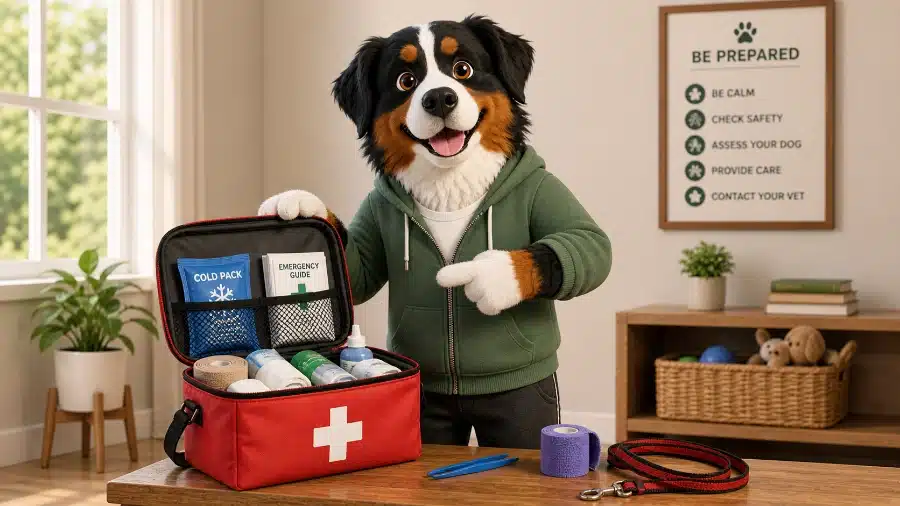


Accidents happen, even to the most well-supervised dogs. Whether at home, on a road trip, or hiking your favorite trail, trouble can strike in seconds. That’s why having a dog first aid kit isn’t just a nice-to-have; it’s an essential part of being a prepared dog parent.
Knowing what to put in a first aid kit for dogs and having it stocked, organized, and within reach can help you address minor injuries quickly or stabilize your dog until you can get to a veterinarian.
Why Your Dog Needs a Dedicated First Aid Kit
Dogs explore the world with their noses, paws, and mouths. Sometimes that curiosity leads to trouble, and emergencies are often less dramatic than we imagine. They look like a thorn you can’t see, a sting from an insect, or a sudden upset stomach after ingesting something questionable at a picnic. In moments like these, every second matters.
Having a dedicated first aid kit keeps supplies in one place and offers peace of mind that every item is dog-safe. You can quickly address minor issues and safely stabilize your dog for transport to the vet when needed.
Think about a first aid kit for your dog in these scenarios:
- Home: A full kit with backup items, stored in a safe, but easy-to-access place.
- Car/Travel: A compact kit that can tolerate weather fluctuations and has travel-specific items like a spare leash, blanket, water, and a folder with copies of important records.
- Hiking: A lightweight kit with weather-appropriate gear: paw-pad care supplies, tick tools, and medications that can help in a pinch.
There are also courses in pet first-aid that you can take to help you stay as prepared as possible in any emergency. Different settings call for different kits, but the goal is the same: treat and stabilize your dog so you can reach the vet, if necessary, with less stress.
Remember, your dog first aid kit essentials complement veterinary care; they don’t replace it. Always consult your veterinarian when your pet is injured or ill.
Is Your Human First Aid Kit Really Enough?
Can a human first aid kit be used on dogs? While human and dog first aid kits share some basics like gauze, tape, and saline, dogs also need pet-safe ointments and a thermometer designed for their use. And while any thermometer can technically work, most people prefer not to use one that requires lubrication for rectal use. Additionally, you need to be careful and aware of any medications that are in a first aid kit. Pain relievers, like ibuprofen, can be toxic to dogs. Keeping a separate dog first aid kit reduces guesswork under stress.
Must-Have Items for Your Dog’s First Aid Kit
Knowing your dog’s routine and lifestyle is important in determining what to include in your dog first aid kit. Consider these categories for items, along with the recommended inclusions. Then, evaluate your dog’s day-to-day and add items as necessary.
Identification and Information
Always include a printed page of vaccine records, medications, allergies, your primary vet’s contact information, and the ASPCA Animal Poison Control Center’s number (888) 426-4435. For your home kit, include the contact information for the nearest 24/7 emergency vet clinic.
Restraint and Handling
Have an old towel by your kit in case you need to wrap your dog. Also, a properly sized basket or fabric muzzle can be helpful if your dog has any reactivity concerns.
Wound Care and Bandaging
Include non-stick pads, gauze rolls, and self-adhesive wrap (vet wrap) to cover and secure any wounds without sticking to fur. Plus, saline for gentle flushing and an antimicrobial or dog-safe antibiotic ointment for minor scrapes. Always avoid eye contact with any ointments and use only as directed. When in doubt about which products to include, consult your veterinarian.
Tools
Ticks are common in many regions, so always include a tick remover in your kits. Other useful tools include tweezers, blunt-tip scissors, and a digital thermometer with lubricant.
Comfort
An instant cold pack is helpful for swelling or stings, and booties to protect an injured paw.
GI and Toxin Response
Hydrogen peroxide (3%) should be in your kit, but never administer it without the guidance of your veterinarian or poison control. Do not use hydrogen peroxide for wounds; it should only be used in specific ingestion cases to induce vomiting.
Medications
Having a dog-safe allergy medication, like Benadryl (diphenhydramine), can help in the case of an allergic reaction. Consult your veterinarian on the proper dosing for your dog ahead of time and include a note for dosing. Be sure to include any specific medications that your dog takes regularly, too.
If you want a list of more important essentials, along with dog-safe, holistic inclusions, check out Bernie’s Ultimate Dog First Aid Kit article.
Dog First Aid Tips for Common Mishaps
It’s important to feel confident in your decisions when you are dealing with an injured dog. Preparation is about more than just stocking the best first aid supplies for dogs. These steps will help set you up for success.
- Make Your Kit Findable. Store the home kit in one visible spot (label the shelf), the car kit under a seat or in a side bin, and the trail kit in the same backpack pocket every time. Make sure everyone in your household knows where to find the kits.
- Label and Segment. Divide your kit into clear pouches or small containers that are labeled: “Wounds,” “Tools,” “GI/Poison,” “Records,” etc.—so anyone can locate what they need. Include a one-page Quick Actions card that includes your vet’s contact, the nearest 24/7 ER contact, the number for poison control, your dog’s vaccination records, and a list of any medications your dog takes regularly.
- Travel and Trail Smartly. In warm months, add paw balm and extra saline; for wooded hikes, bring your tick tool and complete a gentle tick check before and after outings. In colder weather, include a blanket.
- Make Handling Easier. Dogs who are comfortable with handling make first aid easier. To help your dog’s comfort levels, practice brief, positive handling of paws, ears, and mouth during calm moments.
- Practice the Basics. Once a quarter, open the kit and practice: unroll the vet wrap, locate the tick remover, check the thermometer, and rehearse securing your dog for transport. By creating familiarity with your dog first aid kit, you will help ensure you stay calm and decisive.
- Mind the Maintenance. Put a 90-day reminder in your calendar so that you remember to “practice the basics,” and while you are at it, replace expired items, restock supplies, and update records.
The best dog first aid kit is the one that’s stocked for your lifestyle, easy to grab, and paired with a simple plan you’ve practiced. Build your kit, tailor it for home, car, and trail, and keep emergency contact close. A little readiness today makes tough moments tomorrow much easier.


