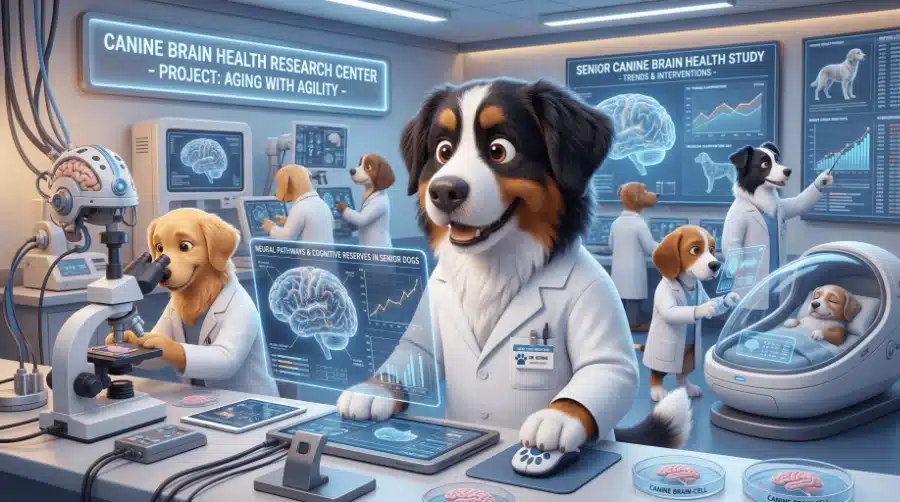


Watching a beloved dog age is a true blessing, but witnessing the changes that come with seniority can be particularly challenging. When we notice subtle shifts in their behavior, it’s easy to dismiss them as simply the result of “old age.” However, there is a chance you’re actually dealing with a progressive condition known as Canine Cognitive Dysfunction (CCD).
This neurodegenerative disorder is comparable to Alzheimer’s disease in dogs, leading to memory loss, disorientation, and behavioral changes. By recognizing CCD as a health issue, rather than just an inevitable sign of decline, we acknowledge that there are steps we can take to help prevent or slow the decline and improve their overall quality of life.
What is Canine Cognitive Dysfunction?
To best support our senior dogs, we must first understand what exactly is happening in the brain when faced with Canine Cognitive Dysfunction (CCD), also known as dog dementia. When we talk about the impact of CCD, it isn’t just a vague shift from aging; it’s a clear, documented neurological condition driven by two main issues: cellular damage and chronic inflammation.
In simple terms, this form of cognitive decline in dogs is the result of a breakdown of communication and efficiency in their aging brain. This can be summarized by three distinct changes.
- Plaque Buildup: The most widely studied marker of CCD is the accumulation of amyloid-beta plaques. These are sticky, toxic proteins that form clumps between the nerve cells in the brain, preventing neurons from communicating effectively.
- Oxidative Stress and Inflammation: Over time, the brain is exposed to oxidative stress, which damages the neurons. This damage, in turn, triggers neuroinflammation, starting a cycle of inflammation and damage that speeds up the cognitive decline in dogs.
- Reduced Neurotransmitter Function: There is often a decline in crucial brain chemicals, or neurotransmitters, like dopamine. Since these chemicals are responsible for mood regulation and alertness, when they are reduced, it contributes to changes in activity levels and anxiety.
What are the Early Signs of Dementia in Dogs?
Since there is no single definitive test for CCD, diagnosis relies heavily on the observation of behavioral changes. This is why, as a loving dog parent, you need to be vigilant and look out for signs your senior dog might be experiencing memory loss or other cognitive changes. Veterinarians often use the DISHA acronym to help identify the most common symptoms.
- Disorientation: Getting stuck in corners or behind furniture, staring blankly at walls, or appearing lost in familiar environments (like around the home)
- Interactions: Changes in social behavior, such as withdrawing from loved ones, a loss of enthusiasm, sudden irritability, or becoming unusually clingy
- Sleep/Wake Cycle: Changes to their normal daily rhythm, such as restlessness, pacing, or an increase in nighttime vocalization, while sleeping excessively during the day
- House Soiling: Forgetting house training or having accidents indoors when previously reliable, without an obvious medical explanation (like a UTI)
- Activity/Anxiety: Aimless wandering or pacing; a reduced interest in toys, food, or play; or a noticeable increase in general anxiety or fearfulness
There are many treatable conditions that can mimic the signs of CCD, including arthritis pain, thyroid disorders, vision or hearing loss, and even internal metabolic issues. Therefore, the first step if you suspect CCD is to make an appointment with your veterinarian. They can conduct a comprehensive workup, including blood work and a physical exam, to rule out any potential medical issues.
Strategies for Preventing Cognitive Decline in Dogs
There are no guaranteed magical solutions for preventing dementia in dogs. However, there are proactive steps we can take to support brain health, reducing the risk of CCD or slowing its onset and severity. Think of these strategies as strengthening their brain’s defenses.
Fueling the Brain
The link between diet and brain health is undeniable. Nutrition is the first line of defense against nearly any medical condition, and CCD is no exception. Since oxidative stress, inflammation, and free radical damage are key drivers of CCD, their daily diet should help counteract these effects. You should prioritize fresh, whole foods, lean proteins, and a variety of colorful vegetables, such as leafy greens and antioxidant-rich berries, to provide cellular protection.
Beyond general antioxidants, there are two other powerhouse elements many veterinarians will recommend. First, consider Medium-Chain Triglycerides (MCTs), often found in coconut oil or specialized veterinary diets. As your dog’s brain cells age, they struggle to effectively use their primary fuel, glucose. MCTs are converted into ketones, which act as an alternative, highly effective source of fuel, helping the brain to bypass that metabolic bottleneck and ensuring that aging neurons receive the fuel they require.
Second, Omega-3 Fatty Acids (DHA/EPA) are a powerful tool in supporting cognitive health. DHA is a crucial element in the structure of brain cell membranes, and both DHA and EPA provide powerful anti-inflammatory properties. They can help to reduce the neuroinflammation that accelerates the progression of CCD.
Strengthening the Brain Through Activity
You’ve likely heard the saying “Use it or Lose It.” This principle applies significantly when considering the health of your dog’s aging brain. Ongoing mental stimulation and enrichment help the brain maintain existing neural connections and even form new ones, a process known as neuroplasticity.
You can exercise your dog’s brain by keeping them actively thinking and problem-solving throughout their life, from young puppies through adulthood and into their senior years. This doesn’t require high-impact training. Instead, focus on gentle challenges, such as using puzzle feeders, rotating out toys to keep things engaging, and practicing brief, low-stress training sessions.
Gentle exercise is also important, as activity improves blood flow and oxygen delivery to the brain, supporting overall cell health. Even simple, low-stress walks that allow for sniffing and safe exploration are beneficial, especially when you introduce slight changes to familiar routes to keep them fresh.
Managing and Optimizing Quality of Life with CCD
After a diagnosis of Canine Cognitive Dysfunction, the focus shifts from preventing dementia in dogs to how you can support your best friend during this next chapter of life. While there is no cure, there are many powerful tools, including targeted supplements and alternative therapies, that can help manage symptoms, slow progression, and significantly improve their quality of life. This includes both conventional veterinary medicine and natural ways to support senior dog cognition.
Targeted Supplementation
Much like the prevention stage, high-quality supplements can play a crucial role in maintaining your dog’s cognitive health. They work directly to support neuron health, reduce inflammation, and enhance the function of existing brain cells. These should always be discussed with your veterinarian before introducing them to your dog.
- S-adenosylmethionine (SAMe): This compound is often used as a liver support supplement, but it’s also vital for brain health. It works on a cellular level to improve the function of nerve cell membranes. More importantly for dogs with CCD, it helps increase the availability of key neurotransmitters, which are essential for mood and focus. This makes it a great option for enhancing cognitive health and stabilizing your senior dog’s mood.
- Ginkgo Biloba & Phosphatidylserine: When these ingredients are combined, they offer powerful support. Ginkgo Biloba is known for its ability to boost circulation and blood flow, ensuring the brain receives adequate oxygen and nutrients necessary for healthy aging tissues. Meanwhile, Phosphatidylserine is a major building block of the nerve cell membrane, and supplementing with it helps maintain strong cell communication and memory function.
- B Vitamins (Especially B12 and Folate): The B-complex vitamins are essential for nerve health and energy metabolism. Ensuring your dog has adequate levels of B12 and Folate is crucial for proper nerve signaling and maintaining the overall energy and function of the entire neurological system.
Alternative Therapies
Another great addition to a well-rounded management plan is to explore integrative or complementary medicine options. These therapies work by supporting your dog’s entire system, minimizing chronic pain, and optimizing nervous system function, all of which indirectly ease the symptoms of cognitive decline in dogs.
Veterinary Acupuncture is a highly effective tool. This therapy can be used to improve blood flow to the brain, stimulate nerve function, and help regulate mood, which is crucial for managing the increased anxiety or nighttime restlessness that is often associated with CCD.
Similarly, Veterinary Chiropractic and Massage focus on manual hands-on therapies that ensure the spine is properly aligned and promote healthy blood flow. By optimizing the function of the central nervous system, these treatments help minimize chronic pain and maximize nerve communication throughout the body. Since pain and mobility issues can significantly intensify confusion and anxiety in dogs with CCD, relieving discomfort is a crucial support step.
You may also consider herbal support under the guidance of a veterinary herbalist or holistic veterinarian. Certain adaptogens (like Ashwagandha) or calming herbs can be introduced to help regulate the stress response, reduce evening pacing, and improve sleep cycles without relying solely on prescription medications.
Environmental and Emotional Support
Sometimes the simplest changes have the most significant impact on reducing the stress and confusion that accompany dog dementia.
First, create a predictable environment. Dogs with CCD thrive on routine, so maintaining a consistent daily schedule for feeding, walking, and resting is essential. Try to avoid moving furniture if possible, as familiar landmarks in the home can help greatly to reduce their disorientation.
Second, prioritize safety and navigation. Use nightlights throughout the house, especially near sleeping areas, to help with nighttime wandering. Also, place non-slip mats on slippery floors (like tile or hardwood) to increase traction, giving them confidence and preventing falls.
Finally, practice gentle and clear communication with your dog. Always be patient, maintain a calm and reassuring presence, and use consistent, gentle cues and body language. Understand that some lack of response is due to neurological changes, not intentional disobedience or misbehavior.
Health and Happiness for Your Senior Dog
Canine Cognitive Dysfunction is a complex but manageable condition. Ultimately, the question every dedicated dog parent asks is, How can I help my dog’s memory as they age? The answer lies not in a single solution, but in a multi-modal approach. By adopting a proactive strategy, from targeted nutrition to alternative therapies, you move beyond simply coping with symptoms and instead focus on maximizing your dog’s neurological health and overall happiness.
It takes teamwork. Partner with your veterinarian and perhaps a board-certified specialist to create a highly personalized, comprehensive quality of life plan. You can help your dog enjoy the long, dignified, and mentally comfortable life they deserve.


