

No tool is more powerful in a dog’s world than their nose, a sense that is far superior to our own. It is their primary means of discovering, exploring, interpreting, and navigating the world around them. But did you know that this impressive ability can also be used for exercise and enrichment?
Scent work, also commonly called nose work for dogs, is a sport and mental enrichment activity that involves channeling your dog’s sense of smell into a focused, low-impact exercise. While it has evolved into a recognized, competitive sport, it can also be adapted as a DIY activity anyone can do at home.
This guide will equip you with the information you need to start exploring this fun activity with your dog, from the benefits it offers to practical instruction on how to start scent work at home. I’ll also share some of my favorite nose work games to play with my dog, Lucifer, including how I introduced them and how I continue to use them in our daily routine today.
What are the Benefits of Scent Work for Dogs?
Understanding why simply letting your dog sniff offers so many benefits starts by looking past the basic activity and into canine psychology and neurology. Scent work requires a high level of intentionality and focus, beyond casual sniffing, providing a mental workout that offers your dog greater benefits than just physical exercise.
Mental Calmness
For dogs, their sense of smell is equivalent to our eyesight. It’s how they process their surroundings. When you ask your dog to find a specific scent, you engage the cognitive processing centers of their brain. That intense mental effort is what wears them out, and getting that “tired brain” feeling is the main goal of scent work.
- Positive Mental Exercise: Ten to fifteen minutes of dedicated mental exercise, such as dog scent games, can be more effective (and satisfying) than a similar or longer period of physical activity. This helps calm energetic or restless dogs and reduce boredom-related destructive behaviors.
- Dopamine Hit: In the moment your dog finds the target, the ‘feel-good’ hormone dopamine is released. This creates a positive feedback loop that makes the activity self-reinforcing, naturally motivating your dog to want to work while also raising their mood.
- Improved Focus: Because your dog must ignore environmental distractions (sights, sounds, nearby objects) and concentrate solely on their target odor to be successful, regular practice can help improve their focus during scent games and in other contexts.
Building Confidence and Independence
One of the most valuable benefits of scent work for dogs is that it allows them to be fully in charge of the situation. Unlike obedience training, where the dog is always waiting for a human cue, your dog is the expert when tracking a scent. You are simply the supporter. Many dogs can benefit from this dynamic.
- Timid or Shy Dogs: For dogs who lack confidence or are nervous in new environments, finding a hidden target is a great boost. They learn that they possess a powerful skill that consistently leads to a reward, ultimately making them braver in facing other challenges.
- Reactive Dogs: Scent work gives reactive dogs a purposeful activity that helps regulate their emotions and focus their energy. By engaging their natural sniffing instincts, they shift from a state of hypervigilance to curious concentration.
- Strengthening the Human/Animal Bond: The more you engage in scent work, the better you learn to read your dog’s unique scenting behavior, such as the subtle changes in their breathing, posture, and tail. This is how your dog communicates that they are close to the target. Trust is built as they rely on their skill, and you trust the process.
Accessible and Inclusive Exercise
Scent work is one of the most universally accessible activities you can do with your dog, regardless of age, breed, or physical limitations. It’s also accessible to you, the dog parent, both physically and financially.
- Zero Barrier to Entry: Dog sports and activities can be costly. Getting started with scent work requires minimal to no financial investment. My favorite easy scent games to play with my dog rely solely on items already in the home, like cardboard boxes, towels, cups, and tasty treats (more on that to follow).
- Low-Impact for All Ages: Since scent work involves little running or jumping, it’s a perfect low-impact exercise for older dogs or those with arthritis. It’s also an excellent option for young puppies whose joints are still developing. It allows them to maintain a high quality of life without physical strain.
- Injury and Recovery: If your dog is recovering from an injury or surgery, nose work is the ideal, non-strenuous way to keep them mentally engaged and happy during crate rest or periods of restricted activity. This is why Lucifer and I started to explore scent games.
- Weather-Proof Enrichment: Whether it’s snowing, raining, or dangerously hot outside, you can easily set up scent games indoors where your dog is protected from the elements.
How Can I Do Scent Work with My Dog at Home?
Now that we know why scent work is so good for our dogs, let’s look at how to start scent work at home using basic household items to begin training your dog’s nose. You don’t need to invest in expensive gear at this stage. DIY scent training is the perfect opportunity to get started while learning more about whether you and your dog are interested in taking this eventually to a competitive level.
The initial phase of training, called the Foundation Phase, focuses entirely on associating the act of searching with a high-value reward. This, of course, involves discovering what your dog deems to be high value. For many dogs, this will require more than standard kibble. Instead, consider treats that are enticing both to the nose and the taste buds, such as small pieces of cooked chicken, cheese, or a jerky-style treat.
Phase 1: The Treat Search
The goal here is not to teach a specific scent, but to teach the game itself. You want to introduce your dog to the idea that using their nose equals success (and rewards). This stage requires no specialized equipment, making it perfect for those interested in how to start nose work on a budget.
| Game | Equipment Needed | Equipment Needed | Equipment Needed |
|---|---|---|---|
| Cookie Scatter | Treats or your dog’s regular kibble | While your dog is out of the room, scatter a dozen treats across a small, contained, low-distraction area (a bath mat, a snuffle mat, or a patch of grass). Bring your dog in and give a verbal cue like “Find it!” or “Search!” Encourage but do not help. | Reinforces the instinct of using their nose to hunt or scavenge for food. Introduces the verbal command. |
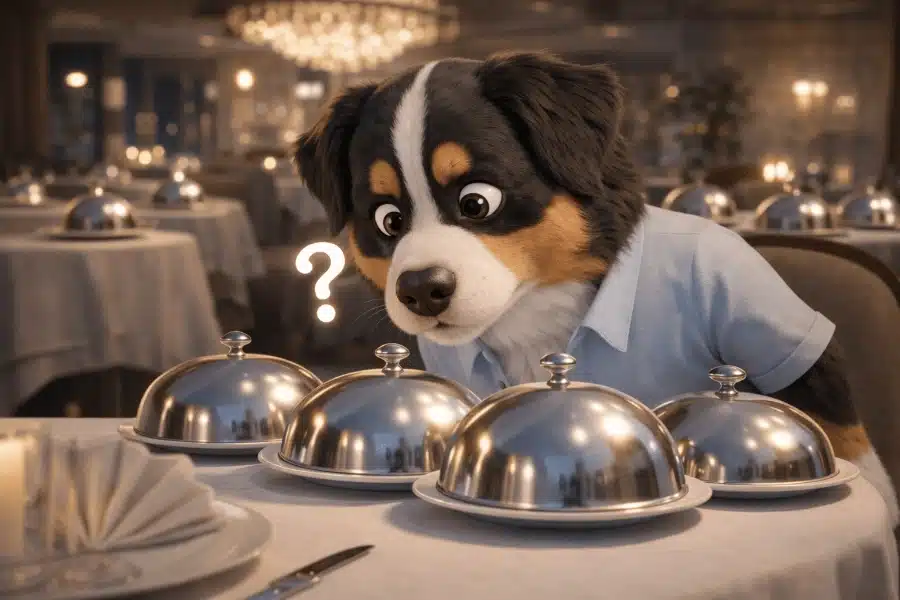
| The Shell Game | High-value treats and three identical plastic cups, bowls, or flower pots. Must be opaque so they can’t see through. | With your dog watching, place a treat under a single cup. Encourage them to nose or paw the correct cup, then reward them by lifting it. Repeat this process until your dog consistently “marks” the cup. Then, slowly introduce the other two empty cups, placing the treat while they watch and rewarding them for identifying the correct location of their treat. | Teaches how to use their nose to identify the location of the treat scent (under one cup, not the others) and allows you to introduce the “Search!” or “Find it!” cue. |
| The Box Search | High-value treats and 5-8 identical cardboard boxes (shoe boxes are ideal) or opaque plastic containers. | While your dog is out of the room, arrange the empty boxes in a row or cluster. Place 1-3 high-value treats in one box, leaving the tops open or partially closed, but not sealed. Bring your dog in and give the cue “Search!” or “Find it!” Reward only when they show interest in the correct box. Gradually add empty boxes to your line-up to make it more challenging. | Builds confidence in your dog’s ability to search new containers and identify the scent of the treat. Encourages problem-solving skills. Allows you to introduce the “Search!” or “Find it!” cue. |
To build a strong association, you must always deliver the reward directly at the location where they identified the scent, whether it’s a high-value treat from your hand or the item they just found. This helps them link the reward to the process of completing their search, teaching them that the scent source is the key to success.
When you are first starting, keep your dog scent games brief. Ideally, they should last only two to five minutes when your dog is still learning, to avoid frustration. End the session immediately after a successful, high-energy find to keep your dog excited and eager for the next search. Not only does this create a positive association, ensuring they enjoy the games, but it also helps to maximize their focus.
Always trust your dog during the process. Once you give the designated cue to search for the scent, step back and simply observe. Avoid leading, pointing, or repeating the cue. The point is to let your dog solve the problem independently. The moment you offer too much help, the game shifts from a scent game to an obedience exercise, which takes away from the benefits of building confidence and problem-solving skills.


Phase 2: Moving to Target Odor
Once your dog reliably performs the scent games above and understands the concept behind them, you may wish to transition to searching for a specific non-food target odor. This step isn’t mandatory. For some dogs, scent games at home offer everything they hope to gain (mental enrichment, quality bonding time, enjoyment) without needing to move to the next level of nose work, and that’s okay! However, if you want to move into formal scent work, you will need to teach your dog to find what you hide and not just what smells like food.
When transitioning from food rewards to formal scent detection, your choice of target odor and equipment is critical for both safety and effective training. The most common first target odor used in official scent work is birch because it is distinct and widely accepted in most formal competitions.
Never use essential oils intended for aromatherapy. These are often too concentrated and not sourced specifically for use with dogs. Direct contact with concentrated essential oils, including birch, can be toxic to dogs. Instead, purchase certified nose work oils, properly diluted and packaged, from a reputable K9 sports supplier.
To avoid contaminating the odor, you’ll need a few inexpensive tools. Tweezers are essential to handle all scented items, including cotton swabs and odor jars. Contaminating the target odor with your own scent could lead to your dog searching for the residual smell of your hands instead of the intended scent.
For the actual hides, the scented material (a cotton swab or piece of felt) is sealed inside a small, ventilated container, such as a metal tin with small holes punched in the lid or a screw-top glass jar. This keeps the toxic oil source contained while allowing the scent to escape so your dog can find it. It also prevents the transfer of the toxic oil to surfaces in your home.
Teaching Odor Association (Imprinting)
To effectively transfer the focus of your dog’s scent work to the new, non-food odor instead of their high-value food reward, you’ll need to introduce the scent and create a positive association. They need to understand that this scent is just as valuable as the treat they were previously searching for.
- Prepare the Hide: Use tweezers to place a tiny, oil-scented swab inside the metal tin or glass container. Seal the lid to ensure it is dog-safe.
- Pairing and Rewarding: Hold the scented tin in one hand and a high-value treat in the other. Present the tin to your dog. The moment they sniff or investigate the tin, give your marker word (“Yes!”) and immediately give a high-value reward next to the tin.
- Proofing: Once your dog consistently targets the scented tin, begin introducing unscented tins (known as “blanks”) alongside it, just as you did during the box search. Only reward the tin with the target odor. This will help your dog learn that they are searching for the specific scent, not just any box.
By following these steps, you are walking your dog down a clear pathway that helps them understand what you are asking of them during your nosework. Once they associate the scent with rewards, they will become just as excited and eager to search for the scented tin as they were for their high-value treats. Simply picking up Lucifer’s scent tins triggers excitement.
Next Steps in Advanced Scent Work for Dogs
If you’re interested in continuing to build on this foundation and potentially getting into competitive scent work, you will need to continue training with new scents and experiences.
If you’ve mastered the search for birch as a target scent, other commonly used scents include anise, clove, and cypress. They can also be combined into a single “cocktail.” However, every competitive club or organization will have its own rules and regulations surrounding which scents to use. If you are intending on getting involved in competition, you will need to research what scents are recognized in that specific instance.
In addition to varying the scents, you can also increase the difficulty by moving your hides to different locations. After all, your dog’s first official scent competition won’t be held in your living room. Try experimenting with indoor and outdoor hides, placing hides on porous materials like wood or stone, and challenging your dog to manage natural air movement and terrain changes. We regularly camp with Lucifer and see each new campsite as an opportunity to add excitement to his scent work.
While starting scent work at home is simple, you may reach a stage in your dog’s training where professional guidance is needed. Specialized trainers can help fine-tune your handling skills and help you teach your dog a specific indication or marker (a signal like freezing or sitting) to formally tell you when they find the target. Local kennel clubs and nose work organizations often offer introductory classes for those interested in learning more about scent work.
Start Experimenting with Scent Work for Dogs Today!
Scent work is a powerful, science-backed tool for supporting your dog’s cognitive health and overall well-being. It’s also a great way to spend quality time with your dog, strengthening the special bond that you share. By introducing scent work, you are not simply playing a game; you are tapping into a core instinct that structured walks and obedience training can’t fully address. It’s a great way to improve their quality of life and add some fun to your daily routine.


