


What is Car Sickness in Dogs?
Car sickness in dogs is similar to motion sickness in humans. It usually happens when their inner ear, which is responsible for balance, gets overwhelmed by motion. This makes them nauseated, and sometimes, they throw up. Dogs might have other symptoms, too, such as drooling, excessive licking, whining, or restlessness. Some dogs even experience diarrhea due to the anxiety car sickness brings. It’s super not fun on a dog road trip.
For many dogs, carsickness is temporary, especially if they’re young and their balance system isn’t fully developed. Puppies often outgrow car sickness as their inner ear matures. For some dogs, though, carsickness might continue even as they become adult dogs, especially if it’s linked to anxiety rather than just physical discomfort.
Why Do Dogs Get Carsick?
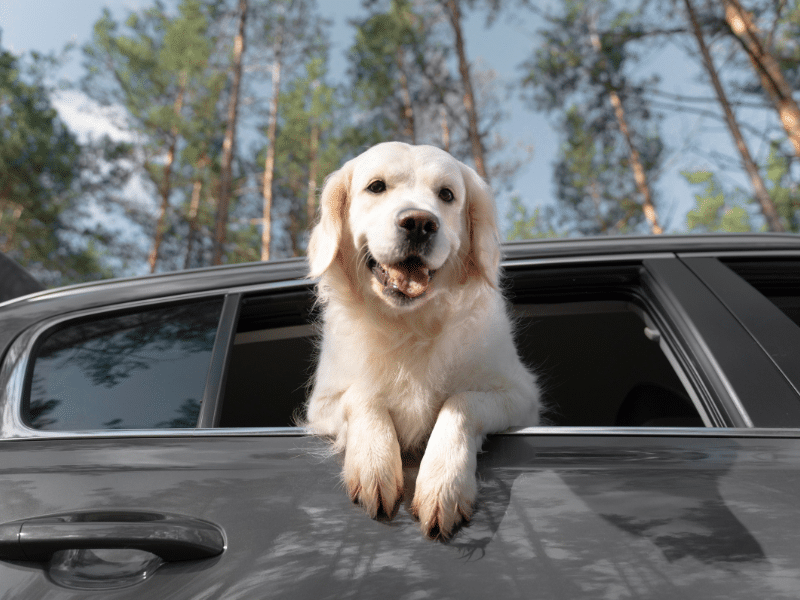
There are a handful of different reasons dogs get carsick. Some are easy to predict, but others are just because dogs are metabolic creatures like humans. Their bodies respond as they do, and that’s not always super predictable. Generally speaking, though, dogs get carsick for the following reasons:
- Age: Puppies are more likely to get carsick because their inner ear is still developing, making them more susceptible to motion sickness.
- Anxiety: Some dogs associate car rides with negative experiences, like trips to the vet. This makes them anxious about any tri, and that can lead to carsickness. Anxiety-related carsickness is often triggered by anticipation and stress rather than physical motion.
- Inner Ear Sensitivity: Just like people, some dogs have more sensitive inner ears that struggle to cope with the motion of a car, even at lower speeds.
- Posture and Orientation: Dogs that can’t look out the window or are sitting in awkward positions may be more prone to car sickness since they can’t visually process the motion. This is similar to what happens in humans when there is a disconnect between what they feel and what they can see.
Holistic Tips To Prevent and Help Car Sickness in Dogs
While medications can often prevent car sickness, many dog parents want to take a more natural, holistic approach. Some science-backed tips can help with dog car sickness without having to rely on pharmaceuticals.
- Use Ginger to Settle the Stomach
Ginger has been used as a natural remedy for nausea in humans, and the same can be applied to dogs. Research shows that ginger can reduce nausea by affecting serotonin receptors in the digestive system, easing that queasy feeling your dog may experience when the car starts moving. You can give your dog ginger in different ways. Some ginger root powder can go on their food, or you can give dog treats made with ginger. A general guideline is about 1/8 to 1/4 teaspoon of ginger powder for smaller dogs and up to 1/2 teaspoon for larger dogs, given about 30 minutes before a car ride, but we always advise you to check with your vet for specifics unique to your dog.
- Condition Your Dog to Enjoy Car Rides
Many cases of car sickness are anxiety-based, so desensitizing your dog to car rides is an excellent, holistic way to minimize it. Start by letting your dog sit in a parked car without turning the engine on. Gradually increase the amount of time they spend in the car, and give them plenty of praise and treats to create a positive association. Make it something they WANT to do. Once your dog is comfortable sitting in the car, take very short trips — even just a drive around the block. Over time, extend the duration of these trips, always ensuring that your dog remains calm and relaxed. Avoid trips that end at stressful destinations like the vet’s office until your dog is fully accustomed to riding in the car.
- Try Lavender or Chamomile for Calming
Lavender and chamomile are known for their calming properties, and they can help ease a dog’s anxiety, which may reduce car sickness. A study found that lavender aromatherapy has anxiolytic (anxiety-reducing) effects in both humans and animals. A few drops of diluted lavender oil placed on your dog’s bedding or a calming spray containing lavender can help keep your pup relaxed during the trip. Chamomile, either in tea form or as a supplement, can also calm your dog’s nerves. Another study found that chamomile has mild sedative effects and can help reduce anxiety in dogs. Again, we always advise checking with your holistic vet to decide what’s best for your dog.
- Offer a Comfortable Position and Ventilation
Sometimes, positioning is everything. A dog that can’t see out the window is more likely to experience car sickness because they can’t visually orient themselves with the motion of the car. Make sure your dog is secure with a harness or crate that allows them to sit upright and see out the window. Many dog parents find that car seats designed for dogs can help because they elevate the dog, giving them a better view. Also, make sure there is proper ventilation in your car. Fresh air can make a world of difference, both for reducing nausea and keeping your dog calm. Crack the window slightly to allow air circulation, which may help prevent nausea caused by stale or stuffy air. - Try Acupressure or Acupuncture
Acupressure and acupuncture are ancient Chinese medicine practices that have been shown to help alleviate nausea and anxiety in both humans and animals. The “Nei-Kuan” point, located on the inside of your dog’s front leg, is known to help with motion sickness. You can apply gentle pressure to this point for a few minutes before and during the car ride. For more long-term relief, consider acupuncture sessions with a certified veterinary acupuncturist. A study published in Evidence-Based Complementary and Alternative Medicine showed that acupuncture can help reduce anxiety and nausea in animals, and many holistic veterinarians recommend it as a natural way to manage car sickness.
Other Helpful Tips For Dog Car Sickness
- Avoid Feeding Before Travel: Dogs are more likely to get car sick if they have a full stomach. Try not to feed your dog for at least a couple of hours before you plan to leave. However, a small treat with ginger might help soothe their stomach before the trip.
- Keep the Car Cool: Overheating can make the nausea worse. Keep the car’s temperature cool and avoid long drives during the hottest part of the day.
- Stop for Breaks: On longer trips, make sure to take regular breaks to give your dog a chance to walk around, get some fresh air, and reset before continuing the journey.
Car Sickness in dogs can be frustrating for both you and your dog. With a holistic approach, though, there are plenty of ways to help your dog feel more comfortable during car rides. Natural remedies like ginger and lavender, calming and desensitizing activities and even acupressure can make a big difference in how your dog experiences travel. If your dog’s car sickness gets worse, you want to be sure to check with your vet for other issues, just in case.
More often than not, with some TLC and some holistic support, your dog will be road-trip-ready in no time!


